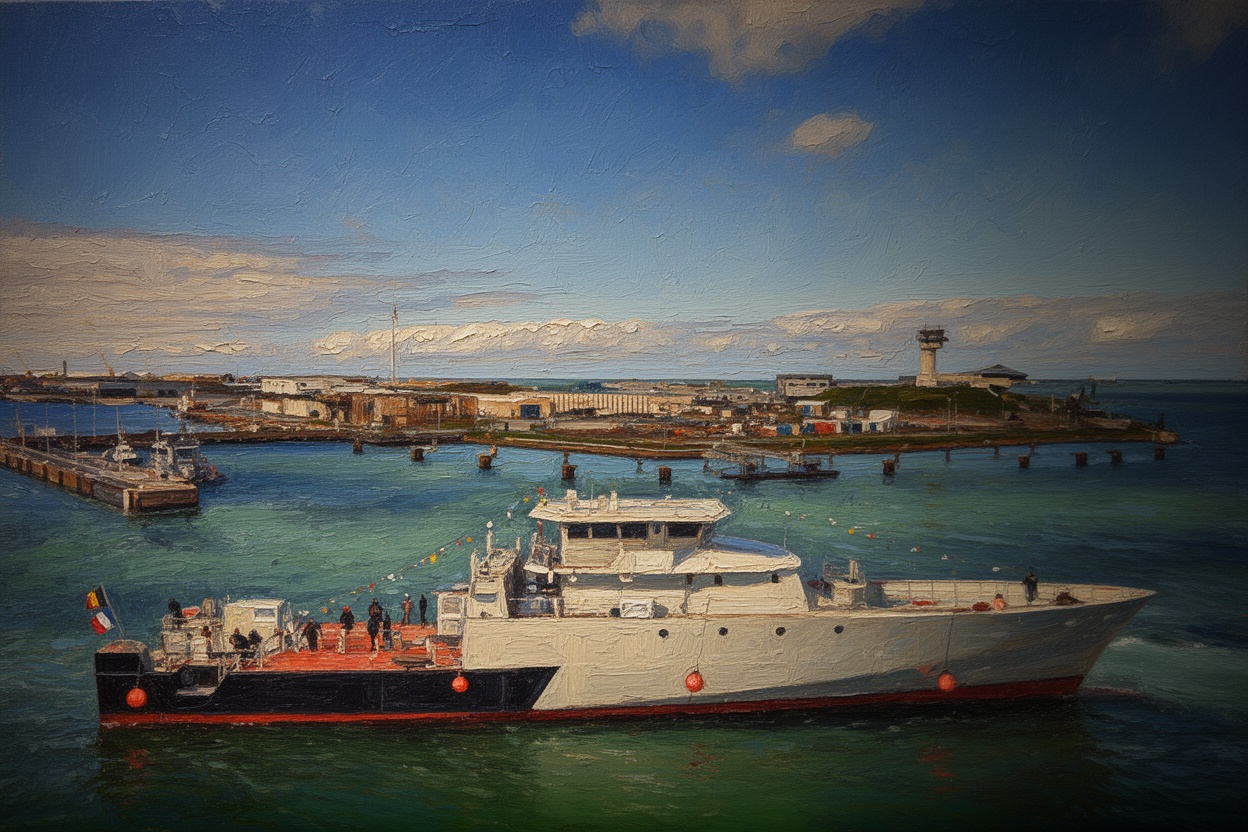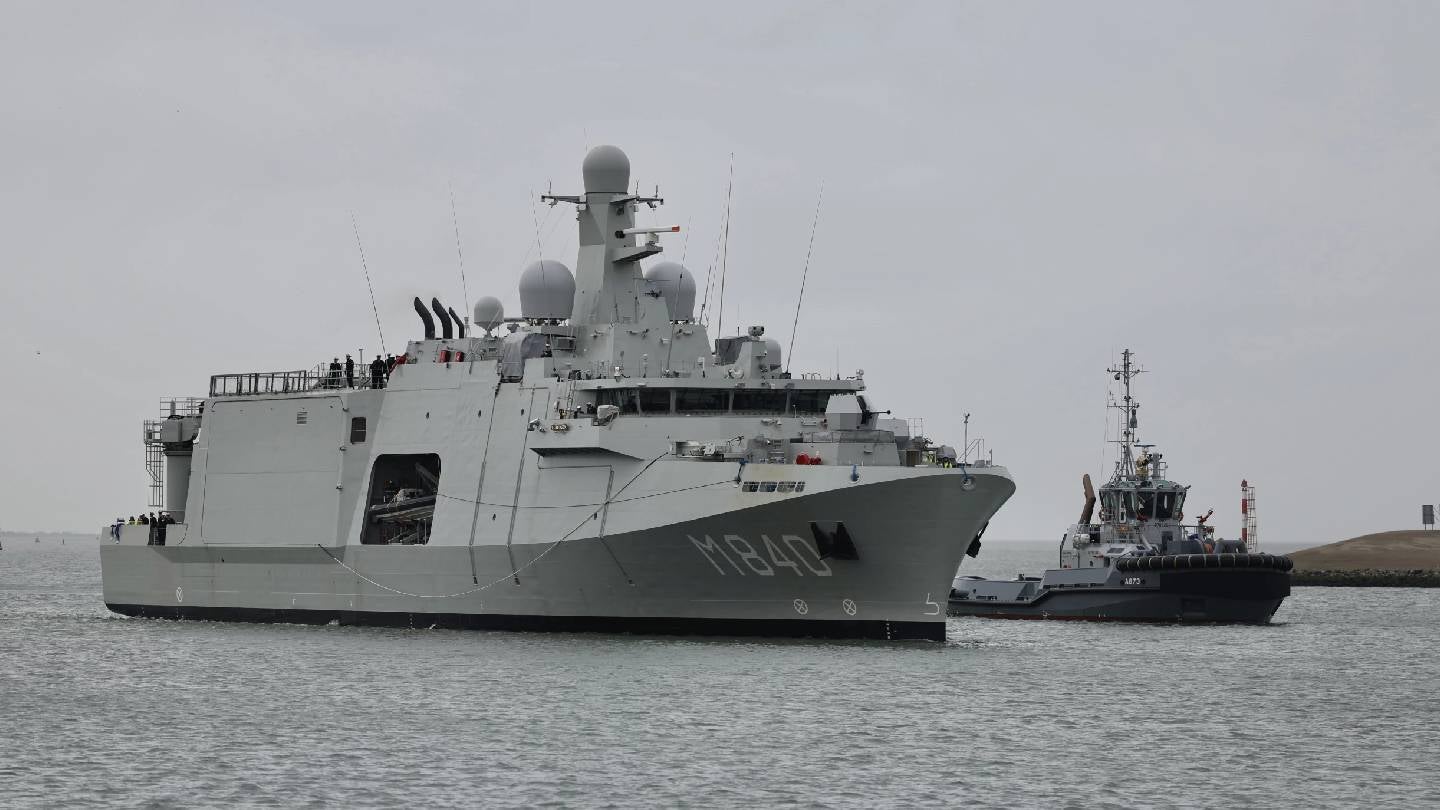
The Royal Netherlands Navy has officially taken delivery of its first mine countermeasure vessel, the 'MCMV 920', as part of its replacement Mine CounterMeasure (rMCM) program. This acquisition is crucial given the growing maritime security threats in the North Atlantic and Baltic Sea regions, where mine warfare has seen a resurgence due to increased tensions between NATO and Russian naval forces.
Historically, the Netherlands has operated mine countermeasure vessels to maintain security in vital shipping lanes and protect its territorial waters. The rMCM program aims to enhance the Netherlands' capabilities against sophisticated naval mines, a threat that has become more pronounced with Russia's aggressive posturing and naval expansion. The introduction of newer models is intended to replace older vessels, which have been in service for decades and are becoming obsolete in modern conflict scenarios.
This development holds significant implications for European naval strategy. With the potential for asymmetric conflict in the North Sea and surrounding areas, the Netherlands' investment in modern countermeasure technology addresses vulnerabilities exposed during recent naval exercises and heightened operational readiness requirements. Furthermore, this move could shift power dynamics in the region, pushing NATO allies to further develop their own mine countermeasures to deter aggression.
Key actors in this evolving maritime landscape include not only the Royal Netherlands Navy but also Russia, which has been actively mining both coastal and offshore areas to assert dominance. The Netherlands' bolstering of its defenses can be interpreted as a direct challenge to Russian expansionism and an effort to reassure NATO allies of its commitment to regional security. The new vessels are equipped with advanced sonar systems and unmanned vehicles capable of detecting and disposing of underwater mines.
Operationally, the new mine countermeasure vessel, equipped with cutting-edge technology, allows for improved range and effectiveness in mine detection and neutralization. The Royal Netherlands Navy plans to integrate these vessels into ongoing exercises and operations throughout the next decade, ensuring they are fully operational by the mid-2030s. The financial implications are noteworthy, with the rMCM program being a multi-billion euro investment aimed at securing trade routes vital to European economies.
The likely consequence of this acquisition is an escalation in maritime confrontations, particularly in contested waterways where mine threats could disrupt shipping lanes. Increased mine threats could lead to heightened alert levels among NATO forces operating in the region, prompting more joint responses to protect commercial shipping and military logistics. The Netherlands’ proactive approach may provoke countermeasures or provocations from Russia, increasing the risk of confrontation.
Historically, similar developments in naval warfare, particularly during the Cold War, have illustrated how enhancements to mine warfare capabilities could potentially trigger an arms race at sea. The escalation from newer technologies often leads to immediate repercussions in military posture and strategic considerations, as seen with older naval engagements that preceded the adoption of advanced warfare technologies.
In the future, observers should monitor the frequency of naval exercises involving minesweepers and the deployment of additional countermeasure vessels by NATO allies. Intelligence indicators will include the patterns of naval activity in the North Sea and continued investment in counter-mine technologies, as well as any corresponding actions from Russia, which may impact security dynamics in the region.