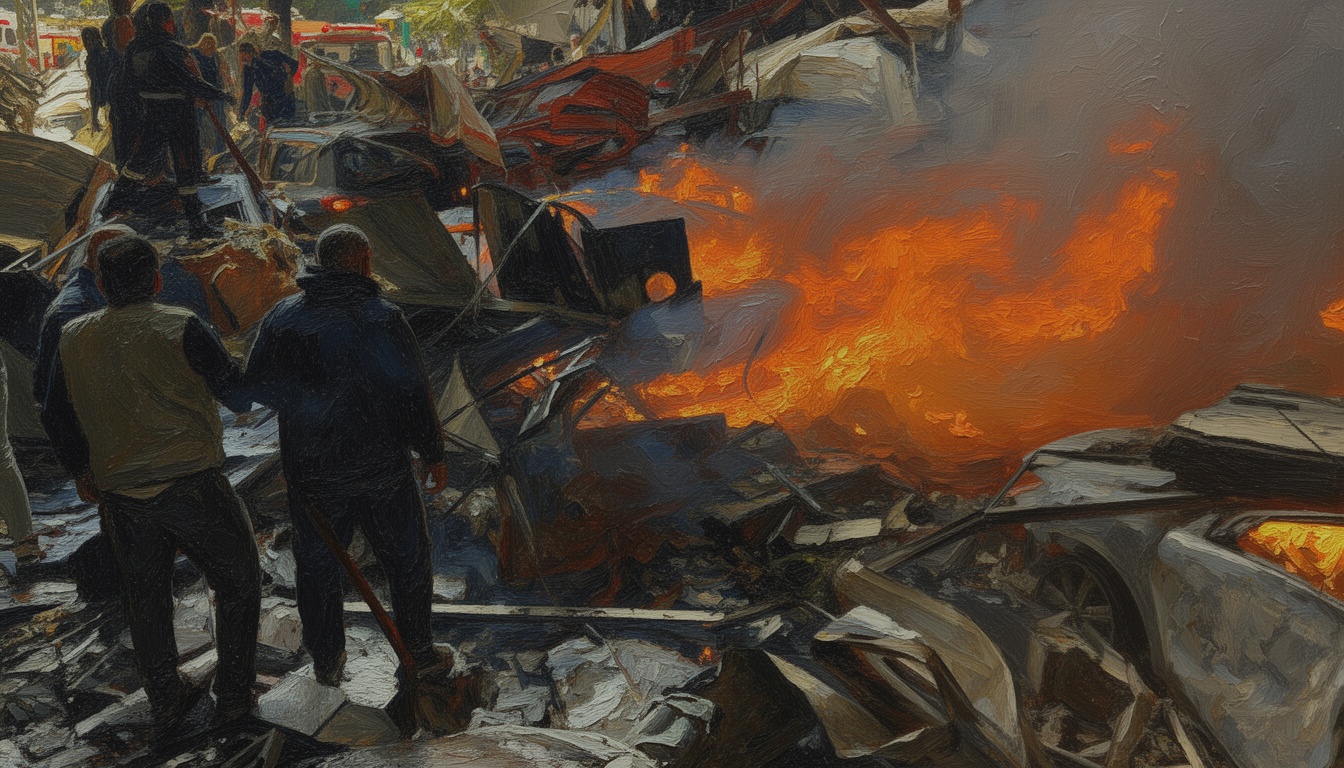
Iranian military forces have launched aggressive counterattacks targeting Bahrain, Kuwait, and Saudi Arabia in response to sustained U.S.-Israeli airstrikes on Tehran. With casualties and damage reported in multiple Gulf states, this conflict has intensified, igniting fears of wider regional warfare. Reports indicate that Iranian drone and missile capabilities are being utilized in this retaliation, showcasing Tehran's resolve to strike at adversaries beyond its borders.
The historical tensions between Iran and its Gulf neighbors, especially following the U.S. withdrawal from the Iran nuclear deal in 2018, have laid the groundwork for this violent escalation. In recent months, rhetoric from U.S. and Israeli leaders has increasingly turned hostile, with calls for decisive military actions against Iran's assets within and outside its territory. Various incidents, including drone strikes and skirmishes in the Strait of Hormuz, have occurred against the backdrop of this deteriorating relationship.
The significance of these developments cannot be overstated. The violent exchange exposes the vulnerabilities of Gulf Cooperation Council (GCC) nations, raising the specter of Iran's growing influence amid U.S. military retraction. Consequently, the potential for asymmetric warfare and heightened militancy in the region poses significant threats to global oil supply and security, making this crisis a pivotal moment for international relations.
Key actors within the geopolitical landscape include the Iranian Revolutionary Guard Corps (IRGC), which spearheads military operations, and the Gulf monarchies seeking to bolster their defense capabilities. Iran's counteroffensive highlights its willingness to project power despite ongoing sanctions and isolation, while the United States continues to assert its commitment to safeguarding its allies in the Middle East.
The operational details of this conflict reveal an alarming arsenal at play. Iran has reportedly deployed ballistic missiles, cruise missiles, and kamikaze drones effectively against air bases and strategic locations across its neighbors, showcasing advancements in precision strike capabilities. U.S. intelligence suggests that Iranian forces may have launched over 50 strikes against strategic positions in the Gulf, escalating the stakes for Washington and its allies who may retaliate further.
Given the high volatility of the situation, potential consequences range from retaliatory actions by the GCC nations to a more complex military engagement involving the U.S. and its allies. Regionally, this marks not only a crisis in traditional power dynamics but also introduces a new era of conflict characterized by rapid escalations and responses that could spiral out of control, leading to direct confrontations.
Historical parallels can be drawn to previous conflicts in the Gulf region, such as the Iran-Iraq War and the U.S. invasions of Iraq, emphasizing how escalations can quickly lead to protracted confrontations with devastating consequences. The current climate suggests that without significant diplomatic intervention, this conflict could morph into the largest military confrontation seen in the region in decades.
In the coming days and weeks, close attention is warranted on the responses from U.S. military forces stationed in the region and the readiness of GCC nations to bolster their air defense systems. Signals of further Iranian aggression or GCC mobilization will be critical indicators of how this situation evolves, and whether additional international actors may be drawn into this precarious dynamic.