Germany has declared a significant shift in its defense posture, announcing plans to amplify its military spending to an unprecedented €150 billion per year by 2029. This marks the German government's response to escalating security concerns in Europe, particularly in light of Russia's aggressive actions in Ukraine and ongoing tensions with NATO's eastern flank. The dramatic increase in defense budget is not merely a numerical adjustment; it represents a strategic repositioning favoring conventional military capabilities over past decades of underinvestment.
Historically, Germany has faced criticism for its low defense expenditure, often falling below NATO's recommended threshold of 2% of GDP. Following the annexation of Crimea in 2014 and the subsequent conflict in Ukraine, many European allies urged Berlin to enhance its military effectiveness. In recent years, the security landscape has shifted dramatically, prompting a re-evaluation of Germany's strategic priorities and its roles within European and NATO defense frameworks.
This escalation in funding has significant implications for the balance of military power within Europe. By investing heavily in conventional forces, Germany aims to dominate European military affairs, which could provoke countermeasures from other powers, especially France and the UK. Furthermore, Germany's renewed focus on defense may expose vulnerabilities among its allies, potentially leading to an arms race in advanced conventional capabilities within Europe.
Key to this plan is the newly appointed Minister of Defense, who wields considerable influence over the country's military strategies. Under her leadership, Germany aims to modernize its armed forces, prioritize technological advancements, and expand its military infrastructure, reflecting a shift from purely defensive postures to active deterrence strategies. This pivot reveals a growing recognition of military readiness as a cornerstone of national security.
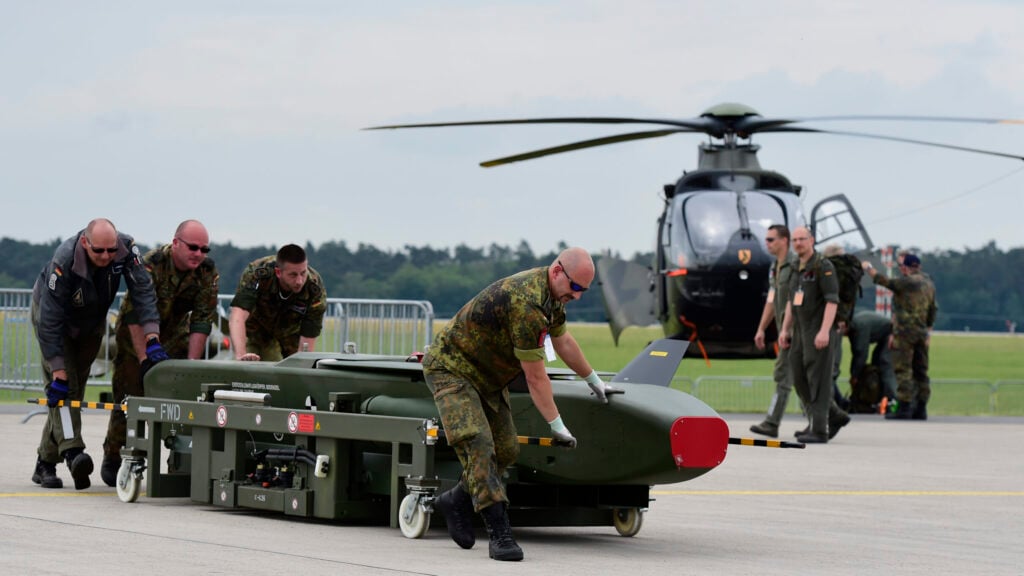
Operationally, Germany intends to allocate significant funding toward modernizing land forces, purchasing advanced aircraft, and enhancing naval capabilities. This includes investments in new Leopard 2A7+ tanks, Eurofighter Typhoon aircraft, and various naval combatants, all aimed at bolstering Germany's ability to project power across Europe. The planned increases also indicate a potential shift in Germany's role from a secondary to a primary military power within NATO, fundamentally altering current military alliances.
The potential consequences of this strategic military shift include increased tensions with Russia and neighboring nations wary of Germany's newfound assertiveness. As Germany expands its military capabilities, it risks igniting regional rivalries, with neighboring states reevaluating their defense strategies. This upheaval might provoke a cycle of escalation, where other European nations bolster their militaries in response to perceived threats from Germany and larger powers, such as Russia or China.
Historically, similar shifts toward military strengthening have led to increased tensions, notably prior to World War I and II. The arms races during those periods directly influenced alliances and hostilities across Europe, which serve as critical reminders of the precarious balance of power. Germany's significant military investments today echo a dangerous historical precedent, suggesting that peace is often precarious amid military build-ups.
Moving forward, analysts should closely monitor Germany's procurement strategies and military exercises to gauge its intentions. Additionally, shifts in defense policy among neighboring countries will likely signal critical responses to Germany’s escalations. The international community should be acutely aware of the signals from Berlin regarding military expansion efforts, alongside any reactions from NATO and EU partners as this military arms buildup unfolds.