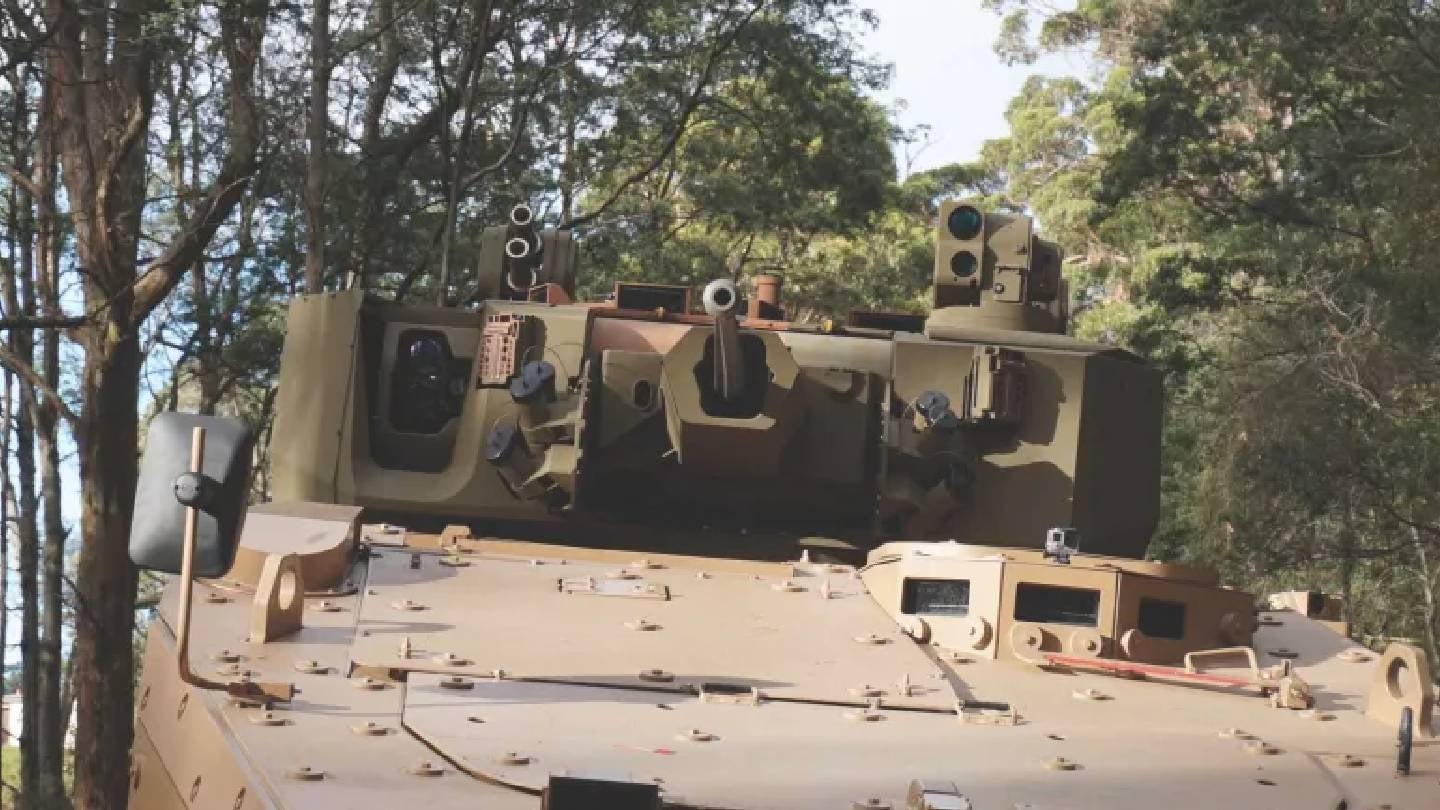
Elbit Systems has announced a contract win for the provision of 30mm turret systems along with munitions, totaling approximately $277 million, from an unnamed international customer. The deal underscores the company's expanding portfolio in the defense sector and marks a significant milestone in its strategy to enhance operational capabilities for global partners.
The acquisition of advanced turret systems is timely, given the current geopolitical climate characterized by increasing regional conflicts and military modernization efforts across various nations. The evolution of warfare necessitates that armed forces upgrade their capabilities, especially in precision firepower, which directly influences the effectiveness of ground operations in asymmetric warfare scenarios.
The key players in this engagement include Elbit Systems, a prominent Israeli defense contractor known for its sophisticated military technologies, and the unnamed customer, likely an allied nation seeking to bolster its ground combat capabilities. The contract may indicate a shift towards reliance on advanced defense systems to counter emerging threats posed by regional adversaries, thereby aligning with national defense priorities.
The implications of this contract extend beyond the immediate value of the deal, as it may reflect broader trends in international defense procurement. As nations strengthen their military capabilities, there is potential for increased tension in regions where these systems are deployed, potentially triggering arms races or escalatory postures among neighboring states.
Historically, Elbit Systems has maintained a strong position in global defense markets, and this contract may reinforce its status as a critical supplier of advanced military hardware. The ongoing conflict dynamics and enhanced military expenditures across various nations suggest a positive trajectory for defense contractors that specialize in high-technology systems like those provided by Elbit.
Analyst assessments suggest that, as global security concerns continue to rise, contracts of this nature will likely become more commonplace. The interplay between national security needs and technological advancements will shape the competitive landscape in defense, potentially leading to rapid innovations and further international collaborations in the sector.