China's Factories Cut Output Amid Iran Tensions and Rising Costs
معرض دفاعي

China's Factories Cut Output Amid Iran Tensions and Rising Costs

صورة: South China Morning Post
أمريكا الشمالية
الملخص التنفيذي

Disruptions in the Strait of Hormuz linked to Iran have led to increased energy, raw material, and freight costs, compelling Chinese consumer goods manufacturers to reduce production. Key sectors, such as bicycle manufacturing, are suspending exports to affected regions due to soaring aluminum prices.

Recent geopolitical tensions surrounding Iran and the resulting disruptions to maritime traffic through the Strait of Hormuz have produced significant supply chain challenges for Chinese manufacturers. This vital shipping route's instability has triggered sharp increases in costs for energy, raw materials, and freight logistics, directly impacting production viability in China’s consumer goods sector.

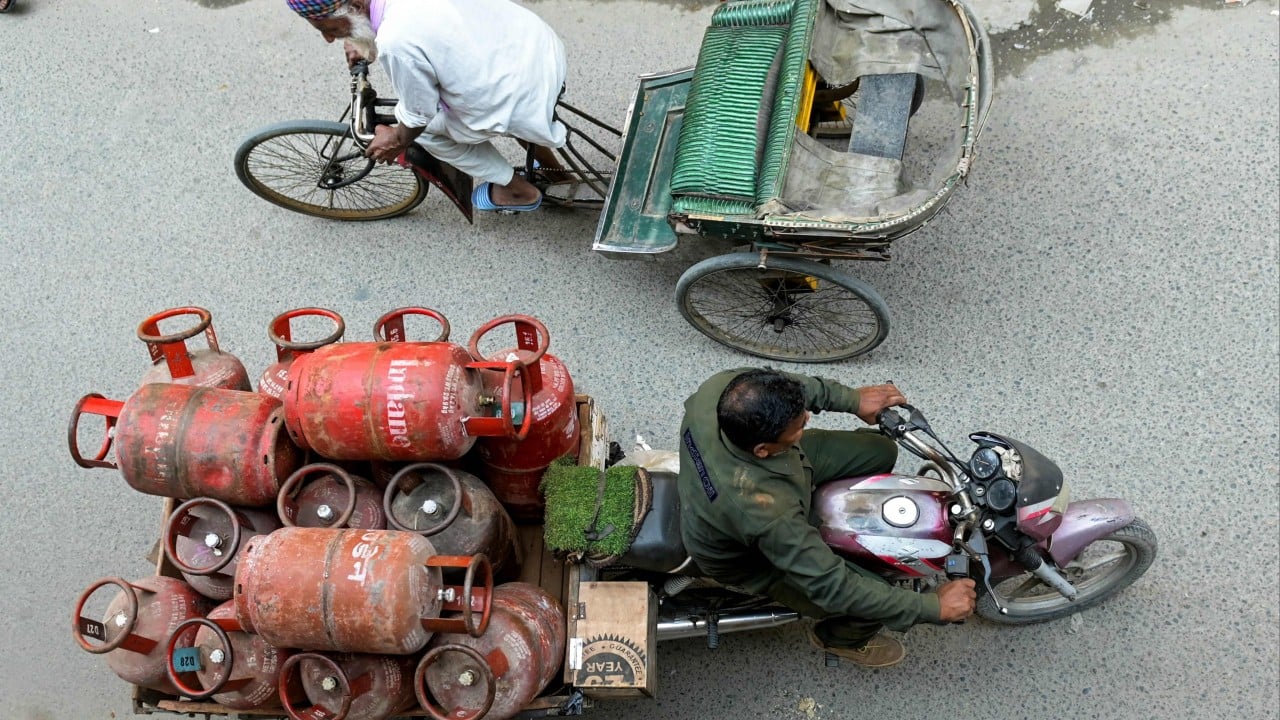
One illustrative case is a Guangzhou-based bicycle manufacturer serving markets across the United States, Middle East, and Europe. The factory manager has suspended most export operations, including cancelling orders from Iran, citing a 30% increase in aluminum prices, which is a critical input for bicycle frames. This cost spike undermines profitability and market competitiveness.

From a strategic perspective, the disruptions highlight China's vulnerability in global supply chains heavily reliant on maritime chokepoints. Manufacturers are facing pressure to diversify supply routes, source raw materials domestically or from alternative suppliers, and adjust production schedules. The increase in production costs may also accelerate the adoption of new manufacturing technologies to enhance efficiency.

The manufacturer involved operates within a competitive global market where profit margins are increasingly squeezed by external geopolitical risks. If these cost dynamics persist, they could lead to broader supply shortages or shifts in trade patterns, affecting both producers and consumers worldwide. Overall, this situation underscores the interdependence of geopolitics and industrial output in globalized supply chains.

مصادر الاستخبارات
استخبارات ذات صلة
Iran Conflict May Strengthen China’s Petroyuan, Challenge US Dollar
أمريكا الشمالية
بحث

Iran Conflict May Strengthen China’s Petroyuan, Challenge US Dollar

Ongoing conflict involving Iran could undermine the US dollar’s dominance in Middle Eastern oil markets, potentially accelerating adoption of China’s petroyuan. Deutsche Bank analysts highlight risks to Gulf economies, which might shift assets from US dollars to yuan-backed instruments.

منذ 15 يقراءة
Iran Conflict: Implications for Asia’s Economic Resilience
أمريكا الشمالية
معرض دفاعي

Iran Conflict: Implications for Asia’s Economic Resilience

Following renewed tensions in Iran, Asia’s economic sensitivity to global geopolitical shocks remains pronounced. The retreat from aggressive US trade policies under former President Trump has not substantially enhanced Asia’s external economic stability.

منذ 14 يقراءة
Sri Lanka Denies US Warplane Base Ahead of Iran Conflict
أمريكا الشمالية
إطلاق منتج

Sri Lanka Denies US Warplane Base Ahead of Iran Conflict

Sri Lanka declined U.S. requests to host armed warplanes prior to the Iran conflict, aiming to maintain neutrality and avoid regional entanglement. This decision highlights Colombo's strategic intent to steer clear of geopolitical conflicts in the Indian Ocean.

منذ 15 يقراءة
UK Blocks China’s Wind Turbine Plant Citing National Security
شرق آسيا
معرض دفاعي

UK Blocks China’s Wind Turbine Plant Citing National Security

The UK government has halted a £1.5 billion investment by Chinese firm Mingyang to build its largest wind turbine factory in Scotland, citing national security concerns. This decision underscores increasing geopolitical tensions impacting clean energy collaborations between the UK and China.

منذ 14 يقراءة