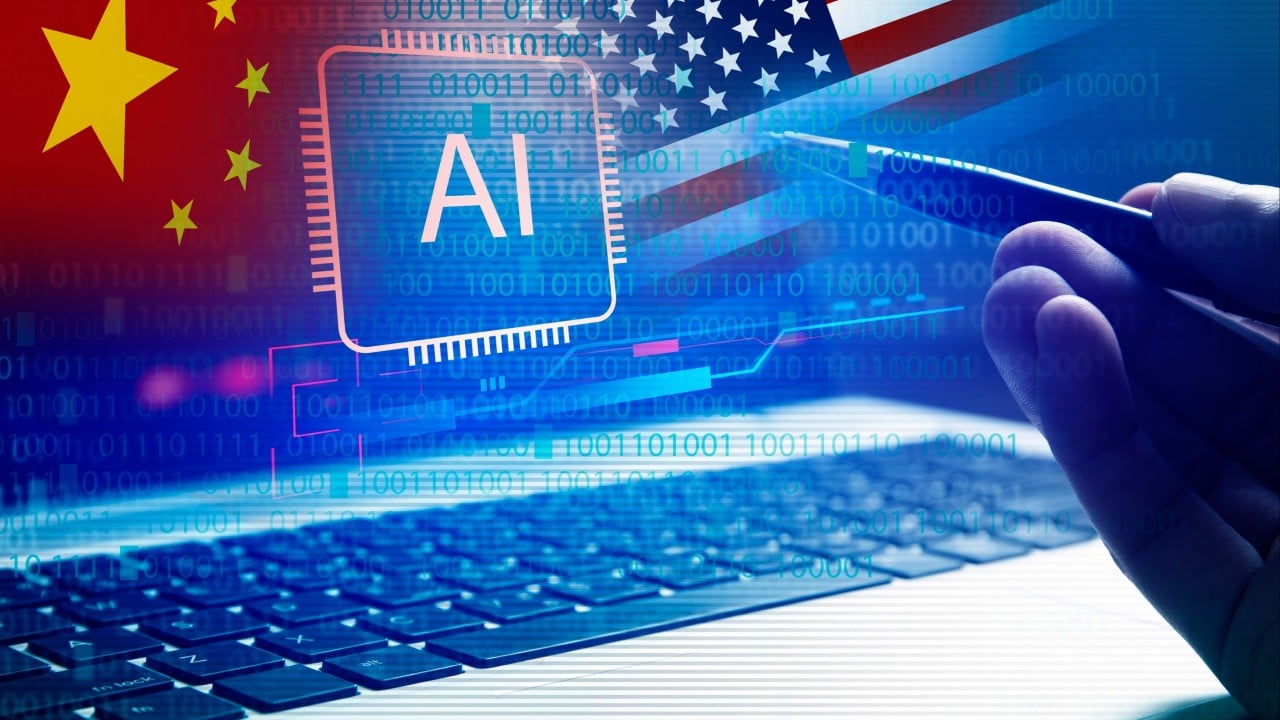
The China Computer Federation (CCF) has publicly called on Chinese computer scientists and AI researchers to boycott a leading US-based artificial intelligence conference after its organizers imposed a ban on submissions from institutions under US sanctions. Notably, this includes major Chinese technology firms such as Huawei Technologies, which the US government has restricted due to national security concerns. The CCF's decision highlights the escalating geopolitical rivalry in AI development, a sector critical for future economic competitiveness, technological innovation, and national defense capabilities.
Technically, the affected conference represents one of the foremost platforms for exchanging cutting-edge AI research, attracting top global experts and industry leaders. By excluding submissions from targeted Chinese institutions, the event risks diminishing collaborative innovation and deepening the bifurcation of AI research ecosystems between the US and China. Huawei’s involvement underscores the dual-use nature of AI technologies, straddling civilian and military domains.
From a strategic perspective, this development exemplifies how technology diplomacy intertwines with sanctions regimes, with China positioning itself to resist perceived technological containment by the US. The CCF’s boycott call may further stimulate China’s acceleration towards an indigenous AI innovation pipeline, reducing dependencies on Western research forums.
Huawei Technologies, a state-affiliated but globally influential company based in China, stands at the technological forefront in 5G, AI, and telecommunications but remains a focal point of US export controls aimed at limiting China’s ascent in high-tech defense sectors. This controversy could complicate international knowledge sharing and hamper global AI standardization efforts while amplifying security-driven technological cleavages.
Looking ahead, sustaining multilateral AI collaboration amid geopolitical frictions will be challenging, with the potential for divergent technology standards and innovation paths. Stakeholders must navigate a complex intersection of open scientific exchange, national security imperatives, and strategic competition in AI’s rapidly evolving domain.