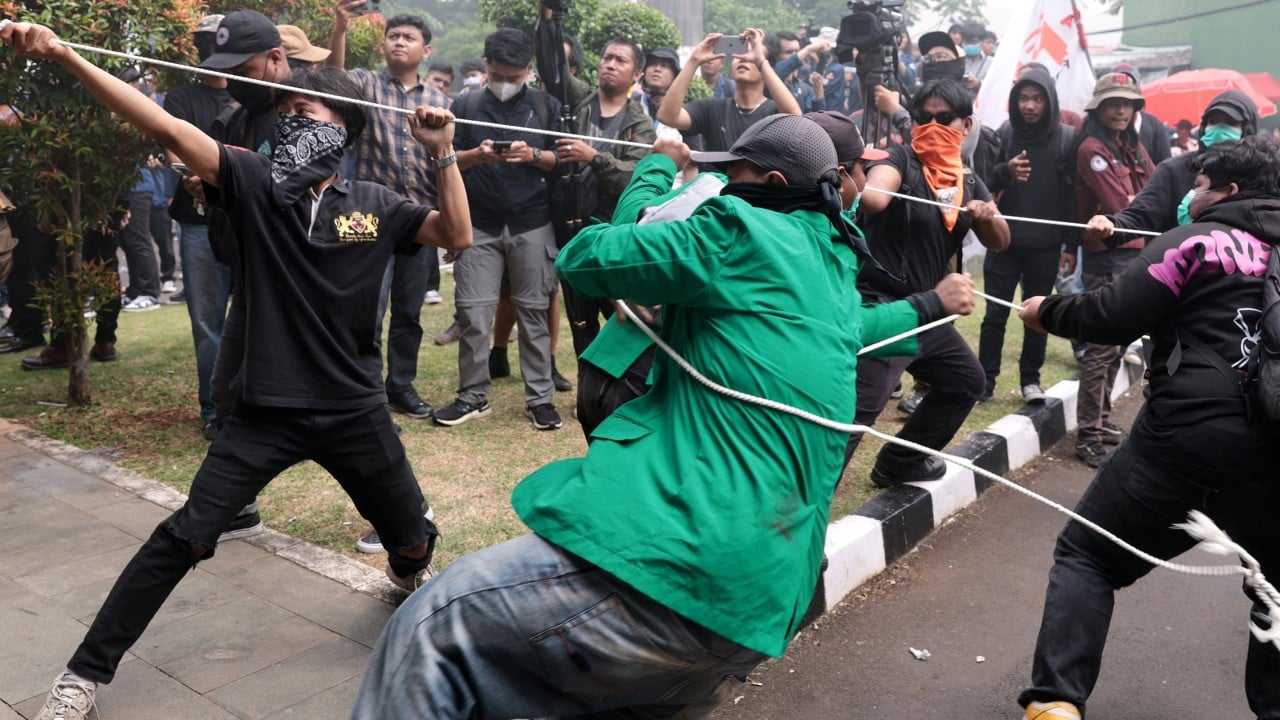
In a heinous act of political violence, Andrie Yunus, deputy coordinator of Indonesia's KontraS rights group, was brutally attacked with acid on the streets of Jakarta. The assault, carried out by two men on a motorbike, left Yunus with life-altering injuries, including severe damage to his face, an eye, and burns to his hands and chest. This incident highlights an alarming trend of increasing violence against democracy advocates in Indonesia and has elicited widespread outcry for a comprehensive investigation.
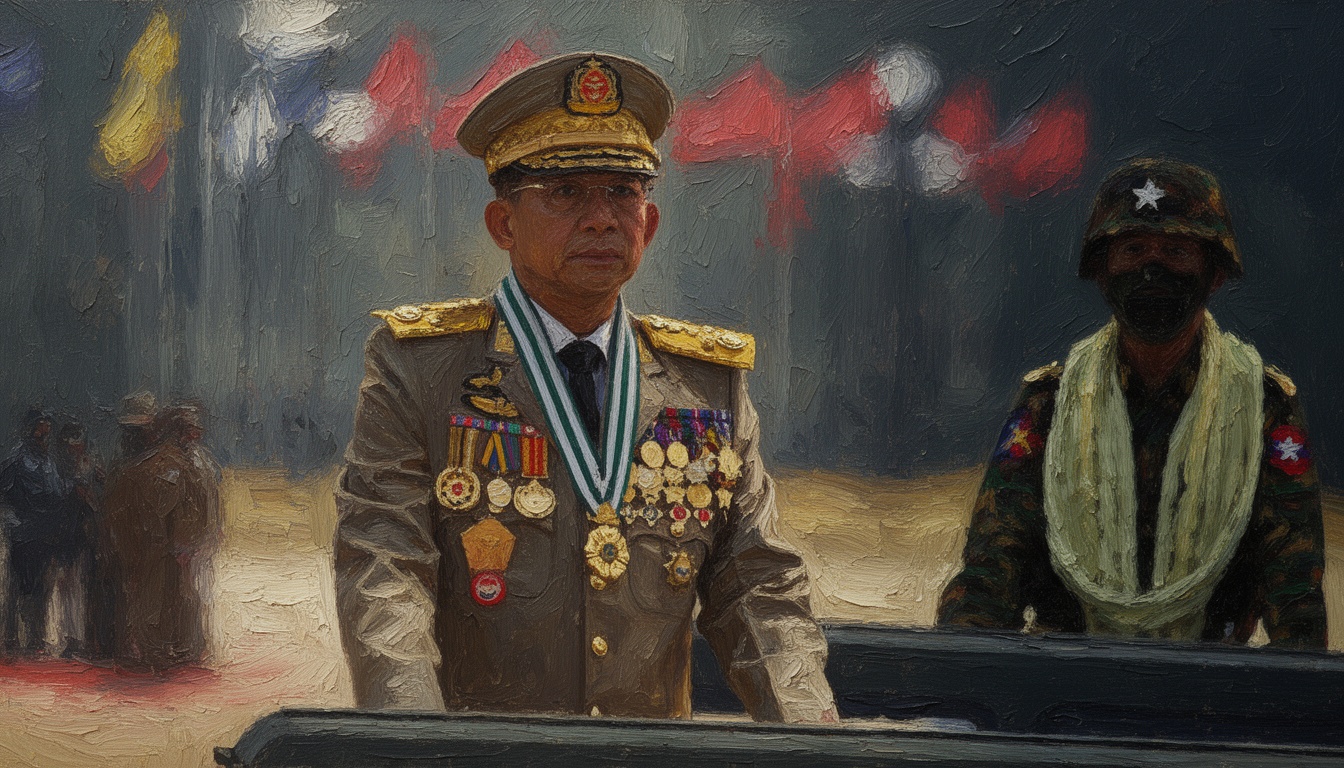
The rise of such violent acts can be traced back to the consolidation of power under the government led by Prabowo Subianto, a controversial figure with a history of human rights violations. Since assuming office, Prabowo's administration has faced mounting criticism over its authoritarian tendencies and suppression of dissenting voices. The incident against Yunus is not isolated; it follows multiple reports of intimidation tactics targeting activists, journalists, and opposition figures, fueling fears of escalating repression.
This assault is particularly significant as it underscores a perilous inflection point for Indonesia’s democracy, where civil freedoms and human rights are increasingly under threat. The normalization of political violence fosters an environment of fear, which can deter public engagement and stifle dissent, ultimately jeopardizing democratic institutions. The repercussions of this incident could inhibit activism and civil society’s ability to oppose government actions without fear of violent retaliation.
Key players in this crisis include the attackers, who likely have connections to elements within the government or political factions hostile to human rights advocacy. Additionally, Prabowo Subianto’s administration’s reluctance to address human rights issues creates an atmosphere that condones aggression against employees of civil society organizations. By failing to act decisively against such violence, the government tacitly endorses a culture of fear and intimidation.
In operational terms, Andrie Yunus's injuries signify a tangible threat to individuals working in human rights and advocacy in Indonesia. While details about the attackers remain unclear, the method—a targeted acid assault—suggests a deliberate intention to inflict both physical harm and public psychological intimidation. Such attacks signify a calculated strategy to silence activists who dare to challenge the status quo.
Consequences could escalate further if the government fails to act. A lack of accountability for the assailants may embolden other acts of violence against activists, thus significantly undermining public trust in law enforcement and governance. If the trend of political violence continues unaddressed, it may provoke stronger civil unrest among an increasingly agitated populace frustrated by government repression.
Historically, Indonesia has experienced cycles of violence during periods of political transition. The 1998 Reformasi movement was marked by various forms of dissent against authoritarian rule, including violent reprisals against activists and political opposition. This current incident evokes memories of those tumultuous times, raising concerns over whether Indonesia is regressing to such conditions.
Moving forward, vigilance will be critical. International observers and local civil society groups must monitor the government’s response to this attack closely. Indicators of further democratic backsliding include the continued escalation of politically motivated violence, repression of free speech, and potential legal assaults against civil society organizations. The global defense and democracy community should prepare to respond to increasing manifestations of state-sanctioned violence in Indonesia.