Xinjiang's Textile Boom Ignites Tensions Amid U.S. Sanctions
China's Xinjiang region boasts significant textile output growth, raising concerns over human rights violations and geopolitical tensions as it defies U.S. sanctions. The region's resilience amid international scrutiny reflects a broader struggle over global supply chains and labor practices.
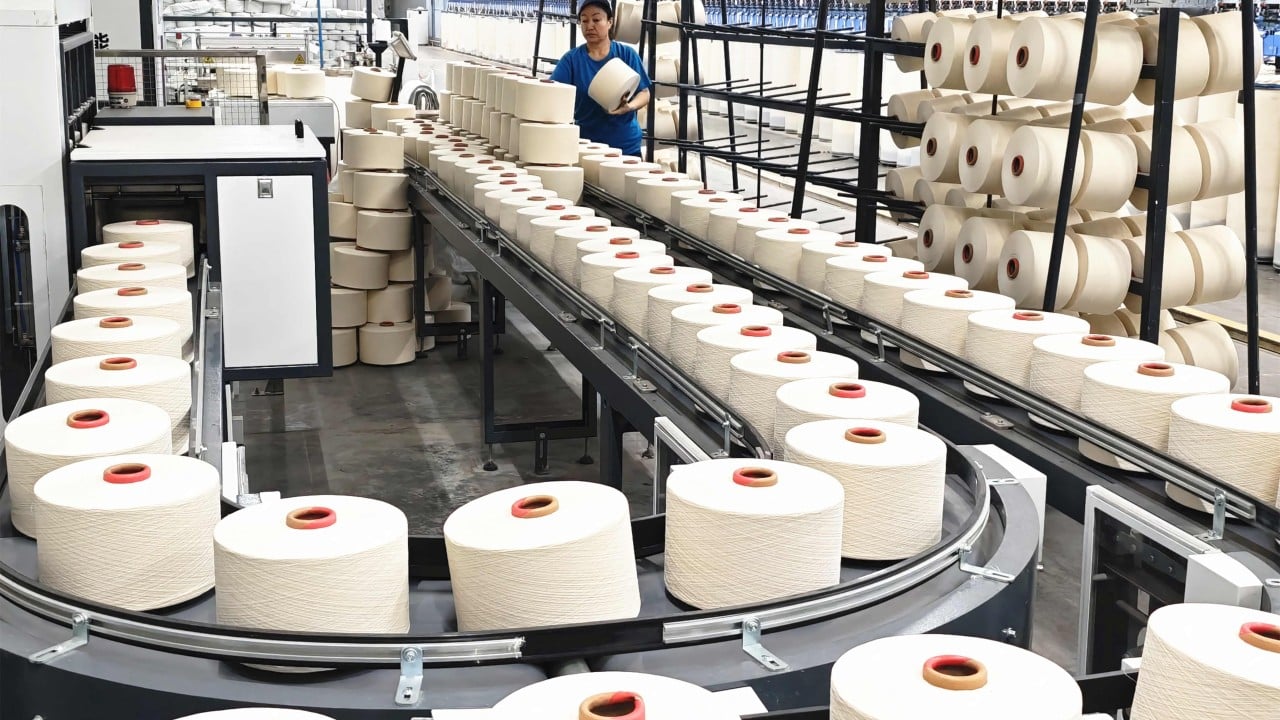
Xinjiang's textile industry experienced substantial growth despite heavy U.S. sanctions and international condemnation, as local authorities claim the production of yarn surged over 20% in 2025, resulting in the creation of approximately 46,800 new jobs. This development raises serious alarm over the implications for international supply chains, human rights concerns, and the potential for increased geopolitical tensions.
The Xinjiang Uygur autonomous region has long been under scrutiny for human rights violations, particularly regarding the treatment of Uighur Muslims, with reports of forced labor in the textile industry. U.S.-led sanctions aim to pressure China over these allegations, declaring the use of such labor practices unacceptable. However, the Xinjiang local government's optimistic portrayal of rapid industrial growth appears to be an explicit defiance of these international measures, underscoring the region's strategic importance to China's economy.
This situation is significant as it underlines a growing divide between Western nations that impose sanctions over human rights abuses and China's resolve to maintain and expand its textile industry. The prospect of increased product availability from Xinjiang could disrupt global supply chains, enabling Chinese textile products to flood markets at competitive prices, while simultaneously benefitting from ambiguous labor standards that many international firms might ignore.
Key actors in this scenario include the Xinjiang regional authorities, who are motivated by economic growth statistics that bolster regional stability and narrative of resilience. Their pledges to offer legal support for local businesses signal a robust intention to circumvent international pressures, thus protecting their local economy and asserting their narrative against foreign criticisms.
In terms of operational specifics, the Xinjiang textile industry’s expansion will likely involve significant investment in production facilities and labor infrastructure. The reported increase in yarn production capacity would not only meet domestic demands but could also rebound to international markets, given the potential for lax enforcement of labor standards. The annual output figures approaching multi-million unit counts would attract foreign investments, despite international hesitancy due to ethical concerns.
The consequences of this development may include intensified scrutiny from international watchdogs and potential further sanctions from Western governments, which might retaliate against companies engaged with Xinjiang's textile sector. Increased production capacity coupled with economic dependence on this controversial region could lead to complications for firms willing to navigate the murky waters of compliance versus profit.
This moment recalls previous instances where economic growth conflicted with human rights, such as during apartheid in South Africa. Global acceptance of products from contentious regions often comes at the expense of moral considerations, creating a challenging dichotomy for consumers and governments alike.
Looking ahead, key indicators to watch include responses from the U.S. and its allies regarding sanctions, along with monitoring conditions in Xinjiang's labor camps. The potential for an uptick in anti-China sentiment could arise if human rights abuses remain unaddressed, prompting collective action from international entities seeking accountability in the face of China's unwavering economic narrative.