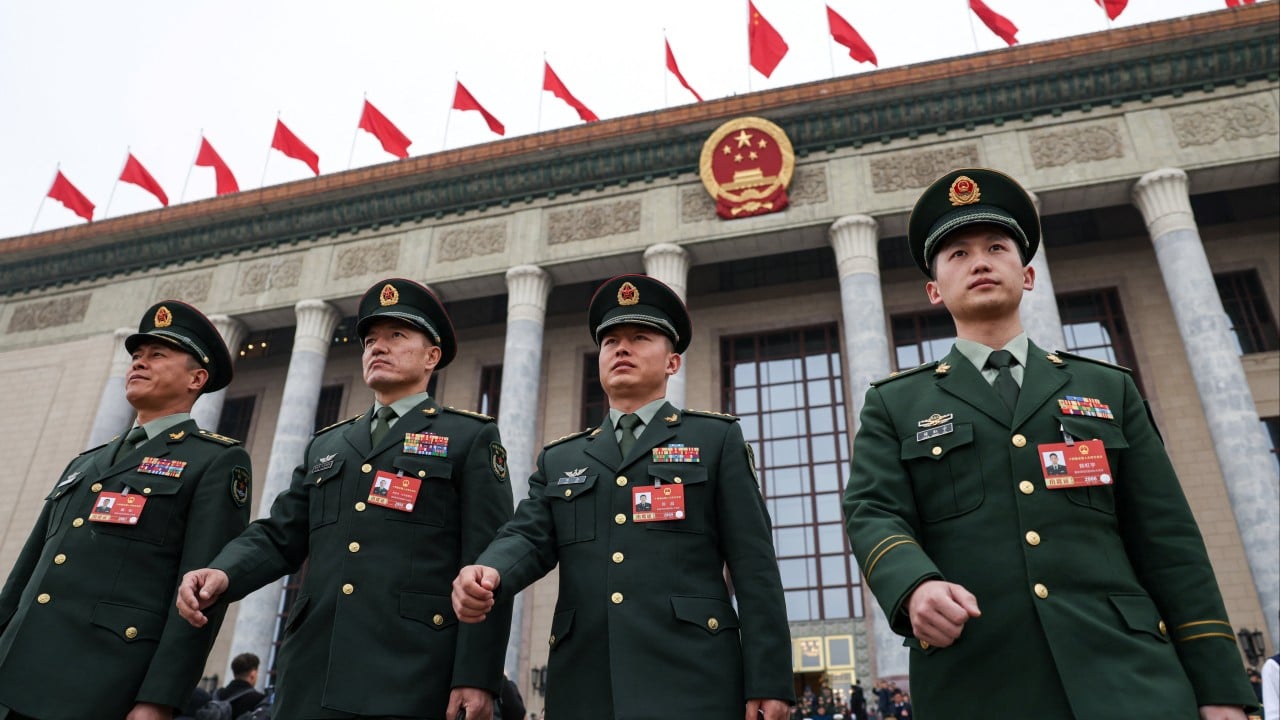
Xi Jinping Insists on Total Military Loyalty amid Corruption Scandals
Xi Jinping's latest demands signal a deepening crisis of loyalty and integrity within the PLA. The urgent call for absolute fidelity reflects fears of internal dissent and corruption eroding the Party’s power.
Chinese President Xi Jinping has issued a stark directive to the People's Liberation Army (PLA), demanding unwavering loyalty to the Communist Party and zero tolerance for corruption. This announcement follows the recent investigation into General Zhang Youxia, a top military leader, highlighting significant instability within the ranks. The insistence on ideological purity underscores Xi's anxiety over potential disloyalty, amid an environment of increasing scrutiny and pressure within the military establishment.
The backdrop to Xi's demands involves a persistent pattern of corruption and disciplinary action within the PLA. Over the past several years, numerous high-ranking officers have faced prosecution for graft and misuse of power, revealing a pervasive culture of corruption that threatens to undermine the military's operational effectiveness. During this period, Xi has positioned himself as an anti-corruption crusader, emphasizing loyalty as a safeguard against potential challenges to his leadership.
This newly reinforced demand for loyalty is significant as it reveals strategic vulnerabilities within China's military hierarchy. A lack of trust among military leaders can lead to operational failures and diminish the PLA's deterrent capabilities. Moreover, Xi’s emphasis on loyalty indicates a recognition that corruption and dissent may pose existential challenges to the Party’s control—factors that could encourage foreign adversaries to exploit perceived weaknesses.
Key actors in this scenario include Xi himself, who is tightening his grip on the military, and General Zhang, currently embroiled in controversy, serving as both a symbol of Xi's anti-corruption campaign and a potential threat to his authority. Behind the rhetoric of loyalty, Xi’s motivations lie in consolidating his power and ensuring the military remains an unquestionable instrument of the Communist Party, particularly in the face of increasing external threats and domestic discontent.
Operationally, the PLA is undergoing a modernization spree, with investments in advanced weapons systems like the DF-41 intercontinental ballistic missile and the Type 055 destroyers. However, with a significant portion of military resources also being allocated to internal security and loyalty campaigns, there are growing concerns regarding the balance between enhancing military capabilities and maintaining ideological uniformity.
The implications of this push for absolute loyalty could lead to enhanced internal surveillance and accountability measures within the PLA. Escalation of loyalty purges can generate instability among senior ranks, potentially leading to a weakened command structure and operational readiness. Moreover, a fragmented military could embolden rival powers to challenge China's positions in contested regions, further escalating regional tensions.
Historically, similar attempts at enforcing ideological conformity have often resulted in purges and infighting, reminiscent of the Cultural Revolution's impact on the military leadership. Past crises in the PLA's history illustrate that enforced loyalty can come at the cost of operational effectiveness and strategic judgment, leading to disastrous outcomes in critical scenarios.
Looking ahead, the international community should monitor any further developments regarding the PLA's internal dynamics and leadership changes. Key indicators will include shifts in military leadership personnel, publicity around anti-corruption campaigns, and any alterations in operational readiness or strategic deployments, particularly in the South China Sea and Taiwan Strait. The trajectory of Xi’s ideological campaigns will reveal the extent to which the PLA retains cohesion amid intensified scrutiny and demands for loyalty.