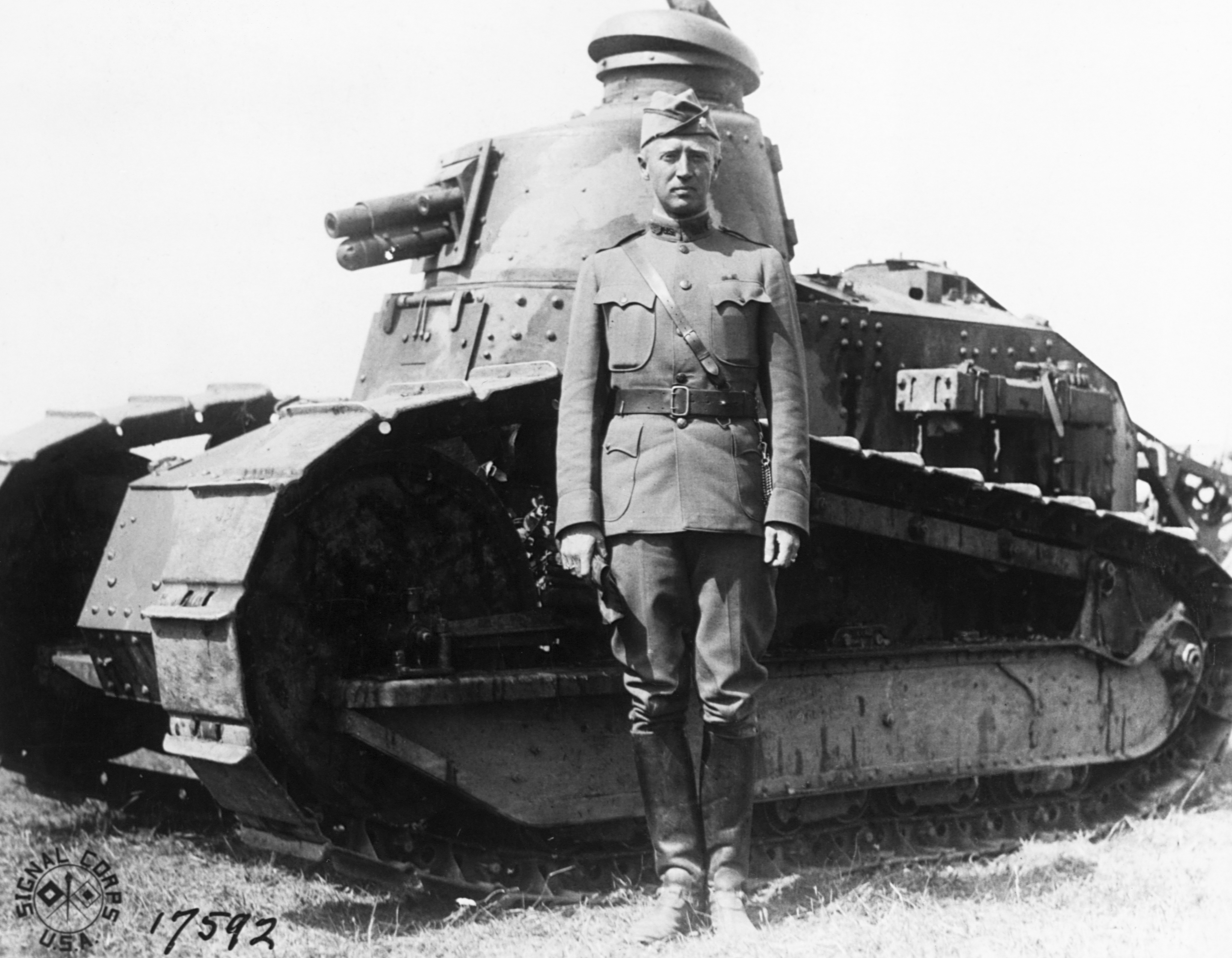
WWII Museum Examines Patton's Controversial Legacy Amid Renewed Interest
The National WWII Museum's symposium will confront General Patton's contentious tactics and leadership. This exploration could reshape perceptions of military ethics and decision-making in critical conflicts.
The National WWII Museum is hosting a two-day symposium intended to delve into the complexities of General George S. Patton's legacy, yet the expected outcome appears to align more with a glorification than a critical examination. Rather than focusing solely on the military achievements often associated with Patton, discussions aim to uncover his controversial approaches, including his perspectives on war and command decisions that led to significant conflicts during World War II.
This initiative comes amidst a growing trend in academia and military circles to reassess historical figures from multiple angles, particularly those known for their brash tactics and unyielding demeanor. Patton, who played a pivotal role in the European Theatre, remains a polarizing figure; his methods and opinions have sparked debate for decades. As war tactics evolve, studying his strategies provides essential insights into battlefield decision-making processes.
Patton's leadership style directly influences modern military strategy and public understanding of the ethical dilemmas faced by commanders during wartime. His willingness to confront superior officers, combined with a reputation for decisiveness, raises questions about the balance between aggression and strategic prudence. As military conflicts continue to occur worldwide, examining these elements underscores ongoing discussions about command ethics, operational risks, and the psychological pressures on leaders.
Key players in the symposium will likely include historians, military analysts, and educators who aim to dissect Patton's motivations—far beyond the surface-level courage attributed to him. Discussions may unveil underlying ambitions for personal glory and the ramifications his decisions had on both allies and enemies, potentially shifting narratives around leadership and morality in wartime.
Diving into specific operational details, Patton commanded the U.S. Third Army during critical stages of the war, executing high-profile strategies, including the rapid advance through France after D-Day. His forces were known for notable victories, yet his aggressive tactics and disregard for conventional warfare principles led to heavy casualties and strained relationships with Allied commanders. Quantifying his impact involves not only analyzing troop movements but also recognizing the larger narrative that shaped the European Theatre's outcomes.
The consequences of this renewed examination of Patton's leadership could ripple throughout current military doctrine, emphasizing transparency and accountability in command decisions. Upcoming discussions will likely interrogate the balance between effective leadership and the cost of aggressive tactics, highlighting inherent risks and suggesting necessary reforms in training and strategy.
Historically, reassessments of military leaders can lead to significant shifts in national narratives about victory and sacrifice. Just as figures like Napoleon have undergone scrutiny, Patton’s legacy stands on the verge of critical reevaluation, with implications for how future military leaders are trained and what principles are emphasized in modern warfare.
As the symposium unfolds, watch for key indicators—audience reactions, statements from military leaders, and shifts in academic discourse—that may point to a broader reconsideration of military histories. How history remembers figures like Patton can significantly influence contemporary military thought and conduct, especially in a world where moral conflicts in warfare are increasingly scrutinized.