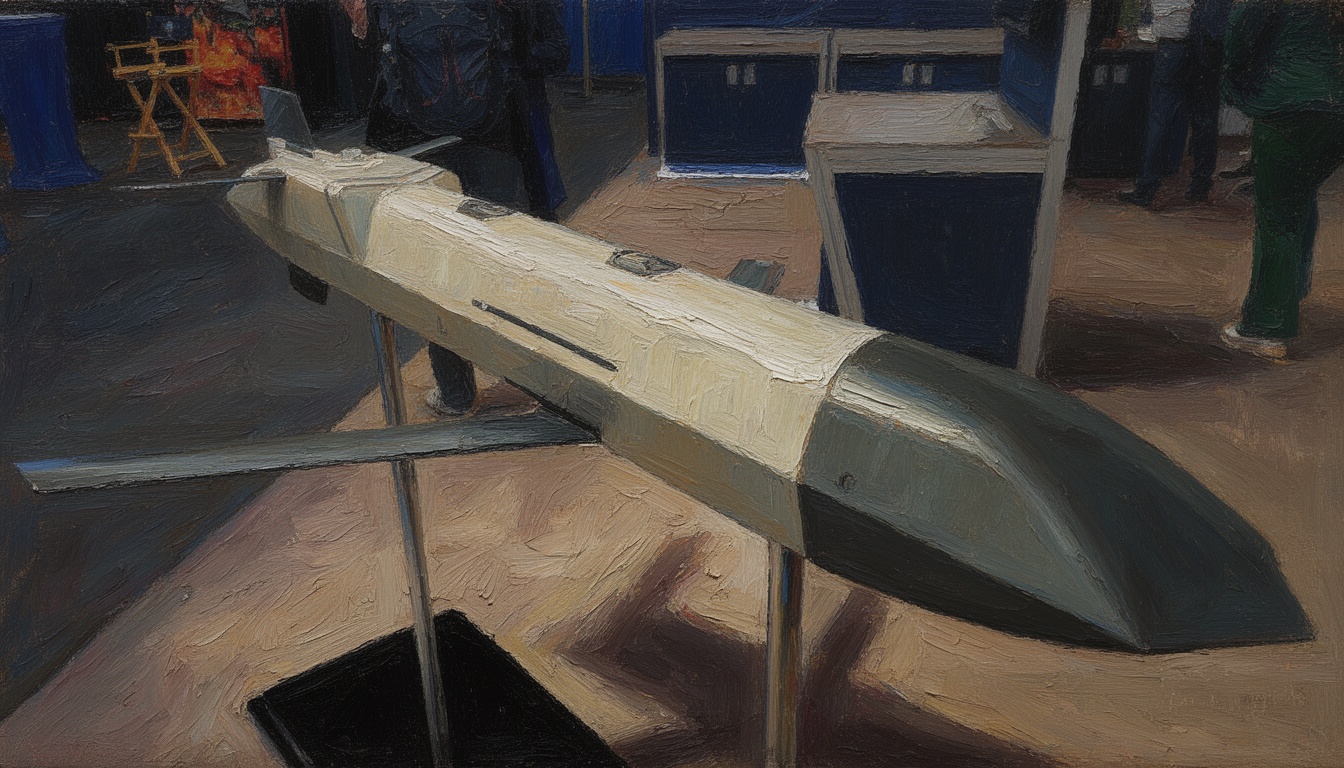
Wolf Pack Mini Cruise Missiles Target Apache and Black Hawk
L3Harris pitches a modular mini cruise missile system, built on the wave of effects vehicles for the Marine Corps, aiming to extend capabilities to U.S. Army rotorcraft. The development signals a push to bolster precision strike options for Apache and Black Hawk fleets. If realized, the program could affect rotorcraft survivability and joint-fire missions across humanitarian and combat environments. The proposal demonstrates continued diversification of small, modular munitions for air platforms.
A modular mini cruise missile system, branded under Wolf Pack, has been pitched for integration with the AH-64 Apache and UH-60 Black Hawk aircraft. The concept builds on earlier efforts to field launched-effects vehicles for the Marine Corps, extending the same modular munitions philosophy to rotary-wing platforms. The pitch outlines scalable payloads that could be deployed from existing rotorcraft to provide stand-off or near-term strike options. The initiative emphasizes rapid prototyping and a plug-and-play approach to keep tempo in multi-domain operations.
Context matters: L3Harris, a veteran player in missiles and integrated air systems, has moved to translate launched-effects and mini-munition concepts into a rotorcraft-ready form factor. The company has been advancing small-diameter guided munitions and launcher-adapter kits for varied platforms, focusing on quick integration with minimal airframe redesign. This move aligns with a broader Department of Defense trend toward mission-area convergence, leveraging commercial and aviation-adapted technologies for military effect. The emphasis on modularity suggests a pathway to tailorable effects for reconnaissance, suppression, or precision strike missions.
Strategic significance centers on how rotorcraft-based missiles could reshape close-air support and joint targeting. Apache and Black Hawk units could gain additional standoff capabilities, enabling engagement of time-sensitive targets with reduced risk to aircrews. The approach also signals a shift in ground-support doctrine, where rotorcraft operate with a broader set of precision options beyond traditional unguided munitions. If enabled at scale, the Wolf Pack concept could complicate adversaries’ air-defense calculations and force layering decisions.
Technical and operational details are still developing, but the concept relies on modular payloads that fit existing pylons and can be integrated with standard flight controls. Specifications such as range, warhead options, and guidance architecture are not publicly confirmed, but the emphasis is on compatibility with Apache and Black Hawk airframes and common launch interfaces. Budget lines, timelines, and test schedules remain to be disclosed, pending formal program approval and safety reviews. The likely consequences include accelerated fielding timelines for rotorcraft munitions and potential reevaluation of air-ground engagement envelopes across U.S. forces.
Forward assessment suggests a dual-use risk: increased attack versatility for rotorcraft could raise escalation thresholds in high-competition environments, while enabling more resilient, distributed strike options in contested theaters. Commanders would need to weigh supply-chain resilience, aircrew training, and rules-of-engagement when integrating modular missiles with lift platforms. If the Wolf Pack concept proceeds, it will drive integration challenges across avionics, survivability systems, and mission-plans planning, potentially altering joint-air-thumb interactions over the next five to seven years.