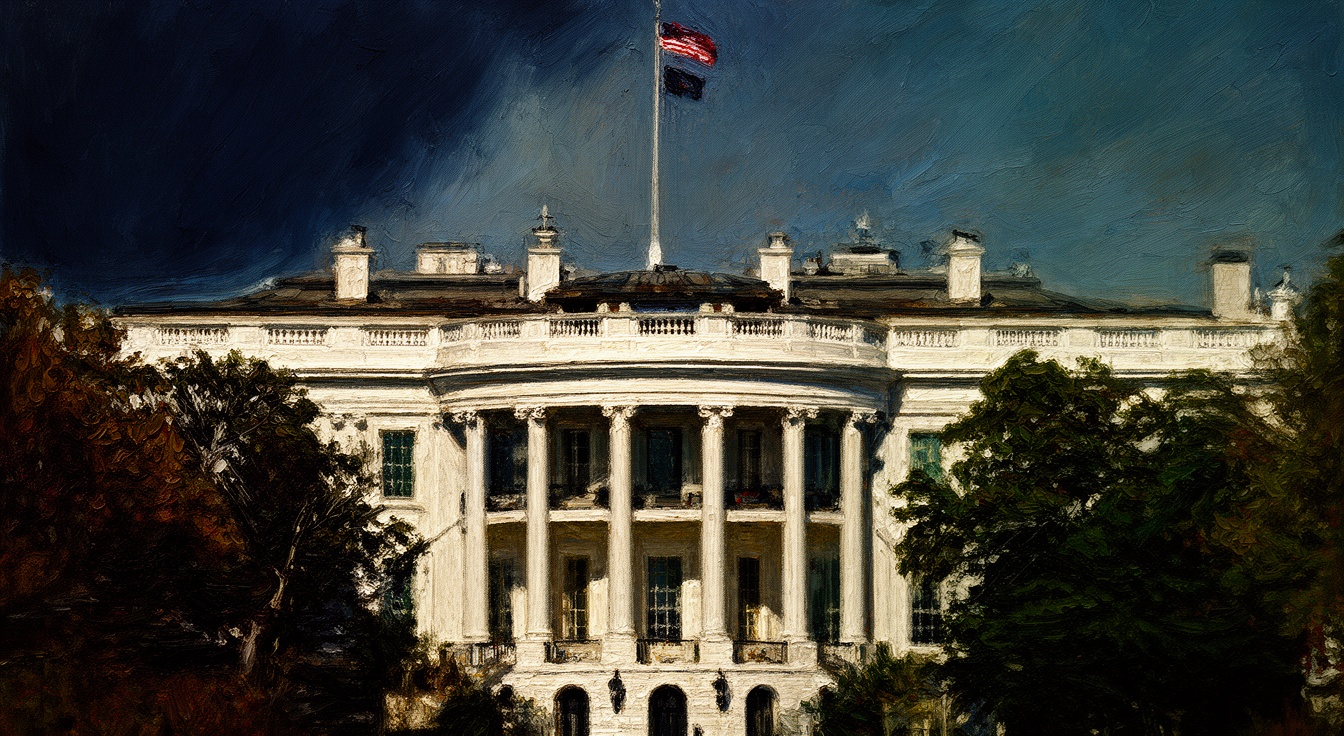
White House staff told not to place bets on prediction markets
Federal watchdogs and policy teams move to curb staff participation in public prediction markets. The move signals rising concern over conflict-related betting and the integrity of official decision-making. The policy aims to reduce perceived conflicts of interest as markets grow in influence.
A presidential directive has formally restricted White House staff from placing bets on public prediction markets that forecast international conflicts and geopolitical events. The measure comes after a wave of interest in platforms that aggregate crowd-sourced forecasts, with some users wagering on outcomes such as elections, diplomatic incidents, and potential military actions. Officials say the aim is to preserve decision-making integrity and avoid even the appearance of bias from staffers who shape policy.
Background context shows that prediction markets have gained traction globally as tools for forecasting and risk assessment. Critics argue that the markets can be volatile and susceptible to manipulation, while supporters contend they reflect diverse, real-time sentiment. The new restrictions align with broader governance practices that separate official duties from extracurricular financial activities. The move also mirrors similar constraints in other capitals, where public servants must avoid private bets on matters that fall under national security umbrella.
Strategically, the policy signals a heightened sensitivity to reputational risk and information integrity. By limiting bets on conflict outcomes, the administration seeks to reduce potential leverage points for insider information, rumor amplification, or inadvertent disclosure through trading patterns. This step could influence how advisory networks interact with market data, potentially dampening the perceived usefulness of such markets for forecasting at the highest levels of government. Analysts expect other branches of government to monitor whether private-sector participants adopt parallel guidelines.
Technical and operational details include the scope of prohibited activity, the kinds of platforms covered, and enforcement mechanisms. Staffers are barred from placing any wager on public prediction markets that forecast geopolitical events, military actions, or major policy shifts. Violations may trigger internal investigations, disciplinary measures, or restrictions on access to certain government systems. Compliance programs will likely expand to training, monitoring, and periodic audits of personal holdings to ensure alignment with the directive.
Likely consequences point toward a chilling effect on outside-the-box forecasting among officials, while sustaining public trust in policy processes. The administration may publish a formal ethics framework clarifying permissible activities and providing case examples. In the longer term, the move could push prediction-market activity into private-sector domains or into professional forecasting teams with explicit conflict-of-interest safeguards.