White House Denies Iran's Drone Threat to California, Calls FBI Warning False
The White House's dismissal of an FBI report on Iranian drone threats exposes vulnerabilities in U.S. domestic security. This denial comes amid rising concerns over Iranian asymmetric capabilities targeting U.S. soil.
The White House has categorically dismissed an alarming report regarding a Federal Bureau of Investigation (FBI) warning that Iran has intentions to carry out drone attacks within California, labeling it as 'false information'. This outright rejection raises questions about the reliability of intelligence assessments concerning Iranian threats to U.S. territory, especially following a surge in drone technology and asymmetrical warfare strategies employed by Tehran.
The backdrop to this incident lies in escalating tensions between the U.S. and Iran, particularly over nuclear negotiations and Iranian military operations in the region. In recent months, Iran has expanded its influence through drone initiatives and proxy networks throughout the Middle East. The notion that Iran would extend its aggressions to American soil is not unfounded, given its historical patterns of hostile actions against U.S. interests internationally.
This development is significant as it highlights a potential disconnect between U.S. intelligence agencies and the executive branch's public declarations. If Iran possesses the capability and intent to target U.S. soil with drone technology, it underscores a critical vulnerability in American domestic security frameworks. Such threats must not be downplayed, as they could provoke domestic panic and require a reassessment of U.S. countermeasures.
Key actors in this scenario include the White House, which appears intent on mitigating public fear, and the FBI, which may be apprehensive about revealing full intelligence details to avoid public unrest. Moreover, Iranian military leaders may feel emboldened by this domestic discord, potentially increasing their support for aggressive actions or testing U.S. responses under the current political climate.
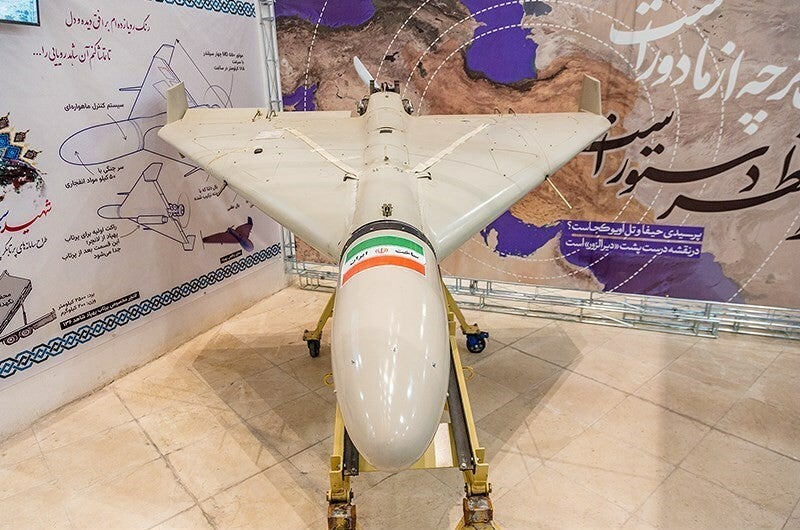
Operationally, the growing sophistication of Iranian drones—such as the Shahed series—presents a tangible risk. These drones have been known to carry a payload of explosives over distances up to 2000 kilometers, demonstrating the capability to reach deep into enemy territory. The mere suggestion of a drone strike on California would necessitate a significant reassessment of both defense strategies and any potential budgetary impacts on U.S. drone defense systems.
Consequences of this incident could lead to an increase in military readiness adjacent to Iranian interests and greater scrutiny of domestic security protocols. Should Iran decide to pursue an aggressive strategy, U.S. military installations and other key infrastructure could find themselves in jeopardy, escalating the potential for conflict within U.S. borders.
Historically, incidents involving intelligence miscommunication or downplaying significant threats can lead to disastrous outcomes, such as the 9/11 attacks. Intelligence failures in assessing the capabilities and aspirations of adversaries can have severe ramifications, emphasizing the need for vigilant monitoring and proactive defense measures.
Going forward, observers should watch for any changes in U.S. military posture, heightened drone interception drills, or increased intelligence disclosures about Iranian activities. Monitoring statements from both government officials and intelligence agencies will help assess the veracity of any future Iranian threats and how the U.S. plans to adapt.