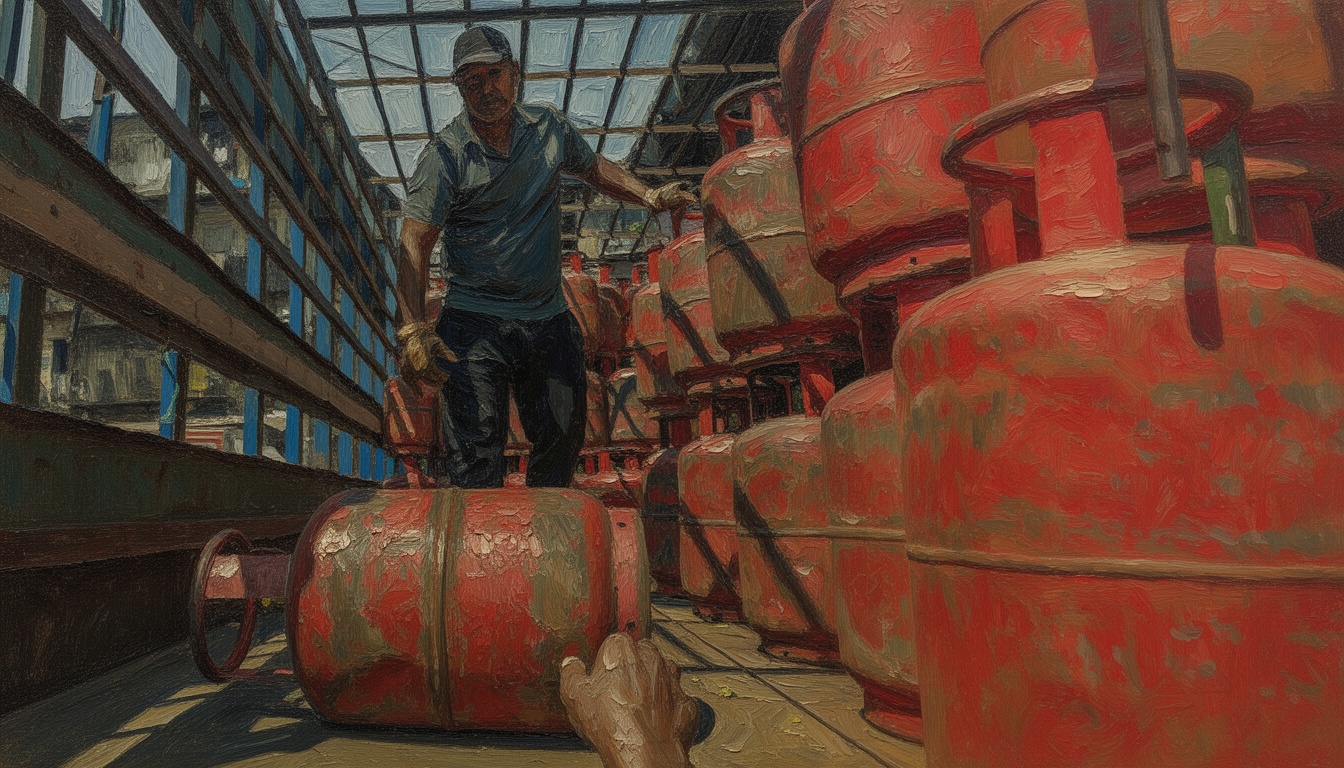
What can nations do to make up for the ongoing energy shortfall?
The Middle East conflict slashed 20% of the world’s fuel output, igniting a scramble for alternatives. This energy shortfall threatens global stability and pressures major powers to recalibrate their strategies.
The conflict raging across the Middle East has abruptly eliminated 20 percent of the global fuel supply, triggering a severe energy crisis worldwide. Nations face soaring fuel prices and supply chain disruptions as they compete for dwindling reserves. The urgency to secure alternative energy sources has never been greater.
Historically, the Middle East has served as the heart of global oil production, with countries like Saudi Arabia, Iraq, and Iran supplying massive quantities to international markets. Recent escalations and blockades have incapacitated key pipelines and production facilities, deepening the supply shock.
Strategically, this energy shortfall amplifies geopolitical tensions among military powers dependent on stable fuel supplies for their economies and defense operations. It inflames regional rivalries and forces consuming countries to diversify energy partnerships urgently.
Technically, the loss amounts to approximately 8 million barrels per day removed from global markets, roughly equivalent to the entire output of some nations. Major global powers are accelerating investments in liquefied natural gas imports, renewables, and strategic petroleum reserves to offset losses. The scramble strains logistics and risks operational security in critical regions.
Looking ahead, the energy crisis could destabilize fragile economies, escalate regional conflicts, and reshape global alliances. Demand for alternative energy and technological advances in extraction and efficiency will intensify. The pressure mounts on nations to balance immediate energy needs with long-term strategic resilience.