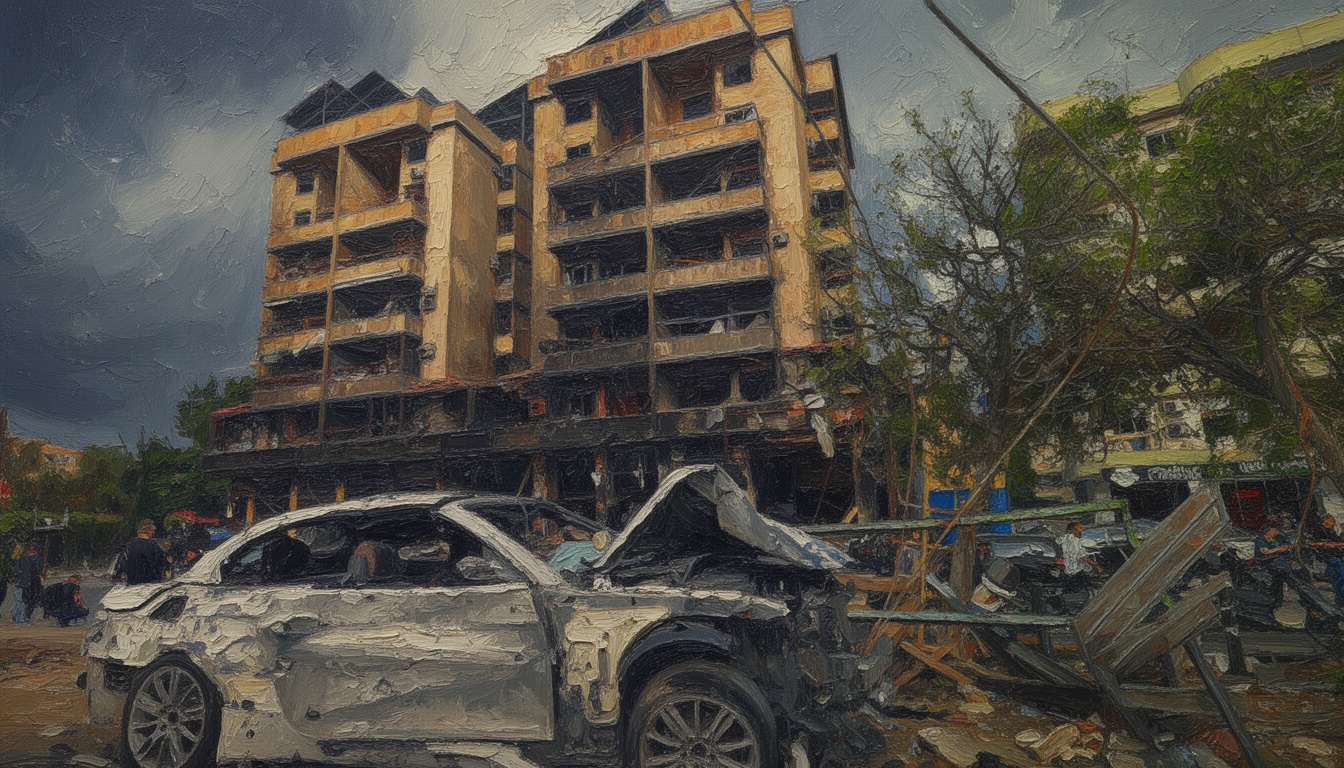
We’ve lost a lot: Lebanese residents return to bombed-out homes in south Beirut
A fragile 10-day ceasefire allows residents in Beirut’s south to return to wrecked homes, underscoring the devastation from the Israeli bombing campaign. The shift raises questions about displacement, reconstruction, and the durability of the pause in fighting. International actors monitor for indicators of lasting calm and humanitarian access.
Residents on Friday began to return to their homes in Beirut's southern suburbs after a 10-day truce between Israel and Lebanon came into effect. For many, the relentless bombing campaign has left little to go back to. Families picked through rubble, salvaged belongings, and faced a landscape of shattered buildings and dust-swept streets. The return marks a fragile shift from displacement to a precarious reoccupation of ruined neighborhoods.
The calm comes after a period of intense aerial and ground fire that battered towns in the Beirut area and surrounding districts. The south has long been a flashpoint in the Israel-Lebanon dynamic, with periodic escalations drawing in regional power patrons and international mediators. Civilians have borne the brunt of the fighting, with mass evacuations and mood-darkening rubble-strewn streets becoming the norm in recent weeks.
Strategically, the truce reduces immediate violence but leaves the wider conflict in a state of high tension. A pause in hostilities allows humanitarian relief and basic restoration work to proceed, while also testing the resilience of political actors on both sides. If the pause lasts, it could constrain further escalation and create space for diplomatic channels to operate, albeit in a volatile security environment.
Operationally, the focus will be on civilian access, demining where possible, and the phased reconstruction of infrastructure and housing. Aid deliveries, power restoration, and water supply will be critical to stabilizing the south's humanitarian situation. The pause also risks leakage of fighting into border areas or across urban fault lines as groups seek to exploit any vacuum in security.
Forward assessment suggests the pause will either solidify into a longer ceasefire or fray under renewed incidents. If fighting resumes, civilian displacement would spike again and reconstruction costs would surge. The coming weeks will reveal whether regional actors push for a lasting deal or exploit gaps in the truce to advance strategic objectives.