West Presses for New Trade Rules to Counter China
European Union leaders aim to strengthen trade defenses against perceived threats from China. Proposed measures include tariffs on sectors like chemicals and green technology.
At a recent summit in Brussels, leaders from all 27 European Union member states pushed for a significant expansion of the bloc's trade defense capabilities. The call to action focuses on addressing what they identified as 'global macroeconomic imbalances,' a term interpreted primarily as China's manufacturing overcapacity. This shift signals a growing urgency within Europe to recalibrate trade relations as China's influence continues to expand globally.
Historically, the European Union has been critical of Washington's trade policies, particularly the Section 301 tariffs implemented during the Trump administration. However, the recent summit indicates a pivotal change in the EU's stance, as member states express their readiness to adopt similar measures aimed at protecting European industries from competitive pressures that they attribute to China's economic practices.
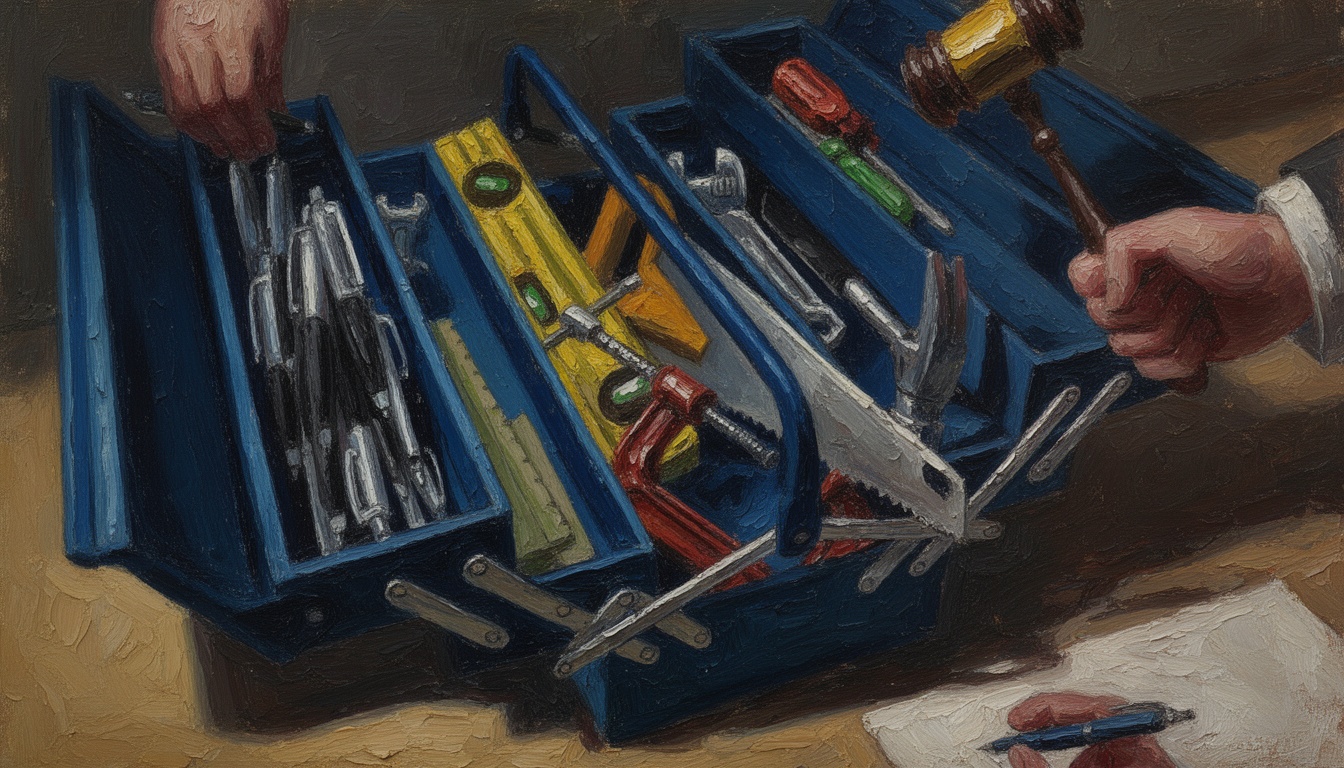
The leaders discussed several potential strategies, including the introduction of sector-wide tariffs that could target critical industries such as chemicals and green technology. These discussions reflect a pragmatic approach to reinforce Europe’s trade defenses, potentially leveling the playing field in sectors where European companies have faced unfair competition.
Operational plans are still in the early stages, but proposed mechanisms could enable the EU to impose tariffs and restrictions more effectively. By diversifying their trade tools, European leaders are attempting to equip the union with the necessary strategies to cope with the challenges posed by China's dominant position in global markets.
The proposed measures, if adopted, could reshape transatlantic trade dynamics, increasing tensions between Europe and China. In the long run, these developments might lead to a reconfiguration of global trade norms, as the EU seeks to balance its economic interests while addressing the implications of China's overcapacity on its industries.