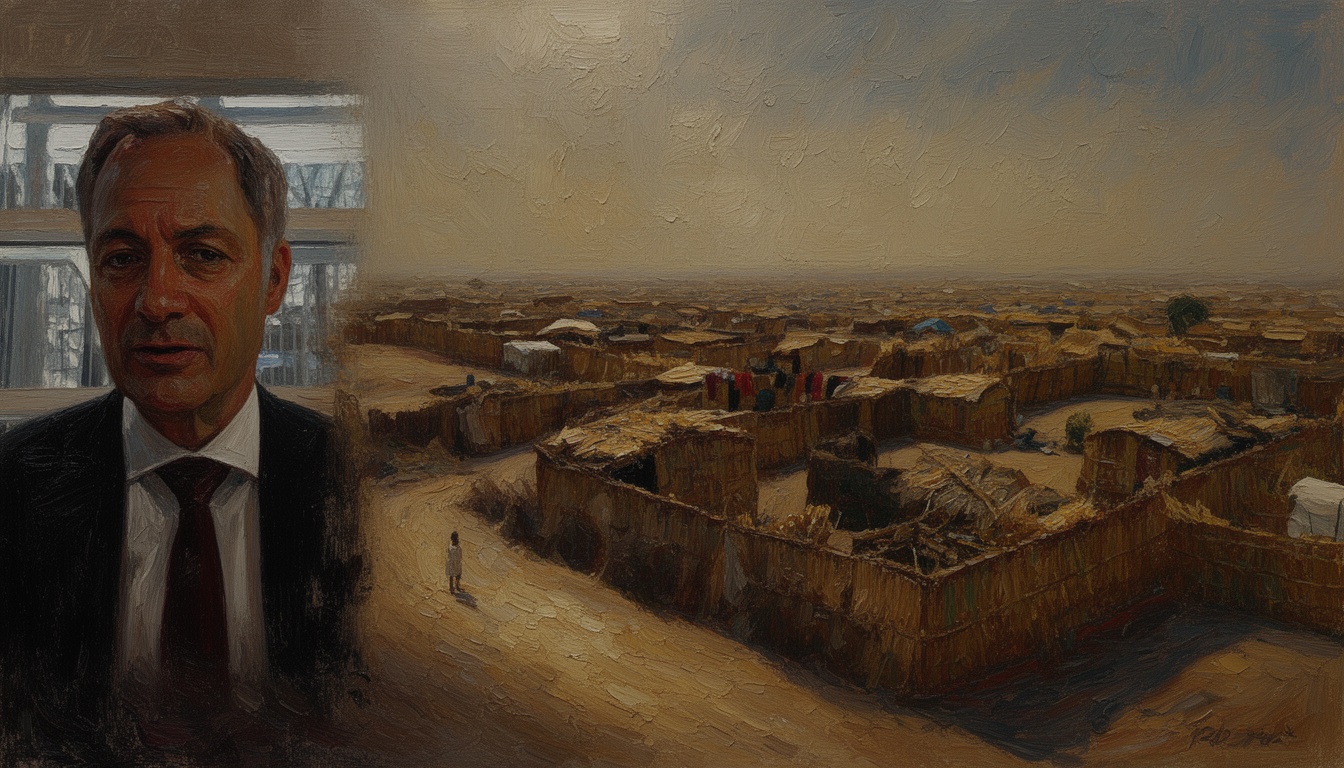
War is development in reverse, UNDP chief warns
UNDP cautions that even if hostilities in Iran end now, a triple shock—energy disruption, food-price spikes, and slower growth—could plunge more than 32 million people into poverty. IMF downgrades global outlook across three scenarios tied to conflict duration. The global balance faces severe risks as energy and commodity markets react.
The UN Development Programme delivers a stark warning: a war in Iran, and its ripple effects, could reverse years of poverty reduction worldwide. Even if fighting ceases immediately, a triple shock of energy disruption, food-price inflation, and weakening growth may push more than 32 million people into poverty. The assessment frames the crisis as a global destabilizer, not a regional issue.
The IMF responds with a gloomy projection, tying its three-case outlook to the duration of the conflict. Short conflicts barely budge the baseline; protracted hostilities yank the world into sharper downturns. Across scenarios, investors pull back, energy markets tighten, and supply chains buckle as sanctions and risk premia rise. The result is a synchronized drag on growth that compounds humanitarian costs.
Strategically, the Iran crisis compounds existing tensions across major powers and energy routes. The disruption trims spare capacity and elevates prices, forcing governments to recalibrate fiscal and monetary policies. Alliances are tested as countries balance energy security with sanctions regimes and strategic ambiguity. The geopolitics of energy becomes a battlefield of its own.
The UNDP analysis highlights the humanitarian dimension of macroeconomic strain. Higher energy bills and food costs erode real incomes, especially in lower-income economies already skating near the edge of poverty. Policy responses must mix targeted supports with broader reforms to restore resilience and maintain social stability. The warning is clear: without swift, coordinated action, the poverty rebound could be swift and lasting.
Looking ahead, markets will remain volatile as long as the Iran conflict persists or its spillovers persist. Central banks face difficult tradeoffs between price stability and growth support. The international community should prioritize energy diversification, food security, and social protection to blunt the triple shock and avert a broader crisis.