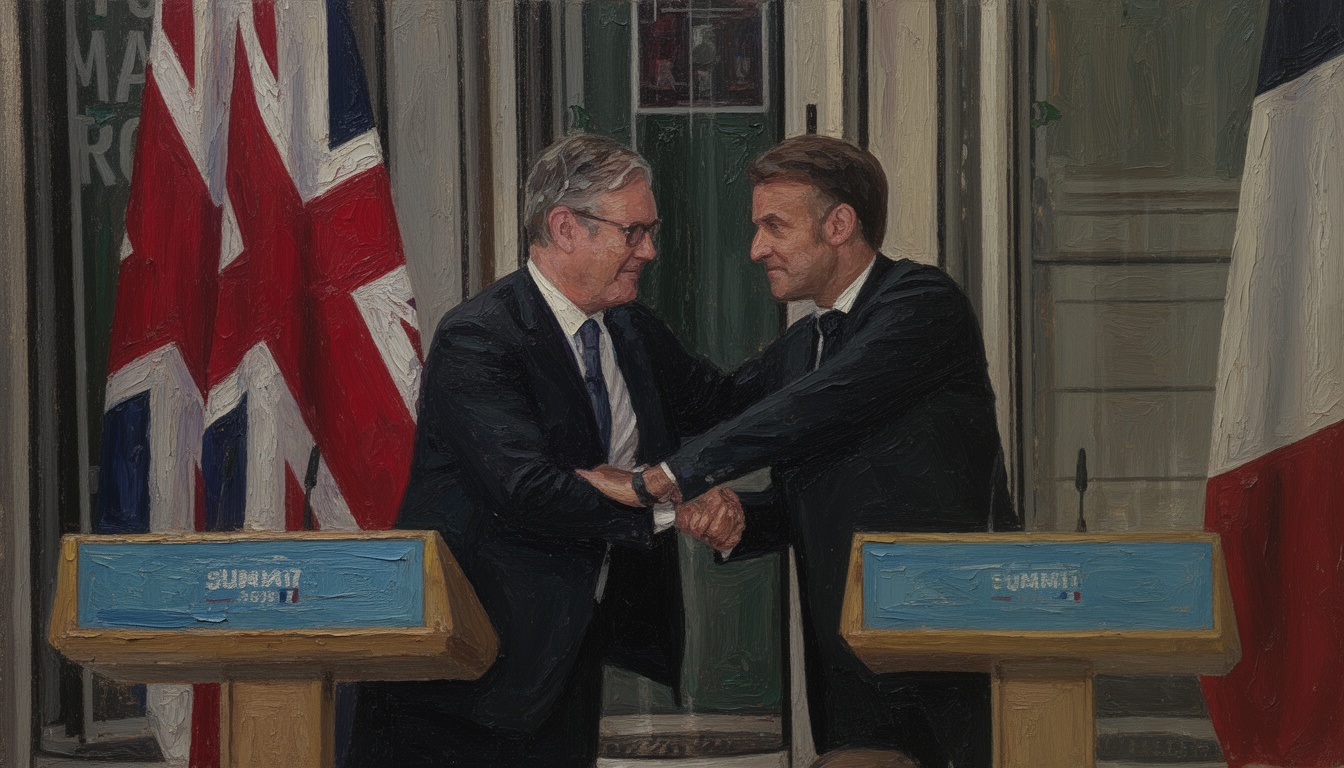
Wake-up call for Europe: defence investment shortfall
Europe faces a strategic inflection as defence investment lags. The post-war maritime security initiative for Hormuz marks a strategic shift from reactive to proactive peace and stability shaping among European powers, with broader implications for transatlantic relations and regional security dynamics.
The piece argues that European actors are pushing beyond a strictly US-led security framework. It frames a European-led initiative to secure the Strait of Hormuz within a broader maritime security and geopolitical negotiation context. The analysis suggests that Europe is attempting to mold the conditions of peace rather than merely reacting to American-led commitments. This shift could recalibrate transatlantic bargaining power and influence regional security architectures.
Background context centers on evolving European strategic autonomy. The narrative places the Hormuz initiative among other regional security concerns and highlights the post-war environment as a driver for change. It considers how security institutions in Europe, the Atlantic alliance, and non-traditional security players interact in high-stakes maritime domains. The piece notes that leadership roles are increasingly taken by European actors rather than being exclusively delegated to partners in Washington.
Strategic significance rests on redefining who sets the terms of maritime security in key chokepoints. If Europe accelerates its own security agenda, it could redefine alliance expectations, deterrence calculations, and crisis management options. The Hormuz context becomes a litmus test for Europe’s ability to translate political will into operational influence. This could affect sanctions regimes, naval deployments, and alliance planning across the Atlantic.
Technical and operational details discuss the institutional and policy instruments involved rather than hardware. The argument focuses on governance frameworks, funding streams, and coalition-building mechanisms. It references the need for sustained investment to support joint patrols, maritime domain awareness, and legal-instrument readiness. Budgetary trajectory and procurement choices are implied as prerequisites for credibility in the security architecture being proposed.
Forward assessment warns that the lack of convergence on funding and command arrangements could undermine the initiative. European actors will need stronger political will and coherent budgetary planning to translate words into durable capabilities. If the framework gains speed, expect intensified diplomacy with regional players and ongoing negotiations with other major powers over freedom of navigation, sanctions policy, and power projection in the region.