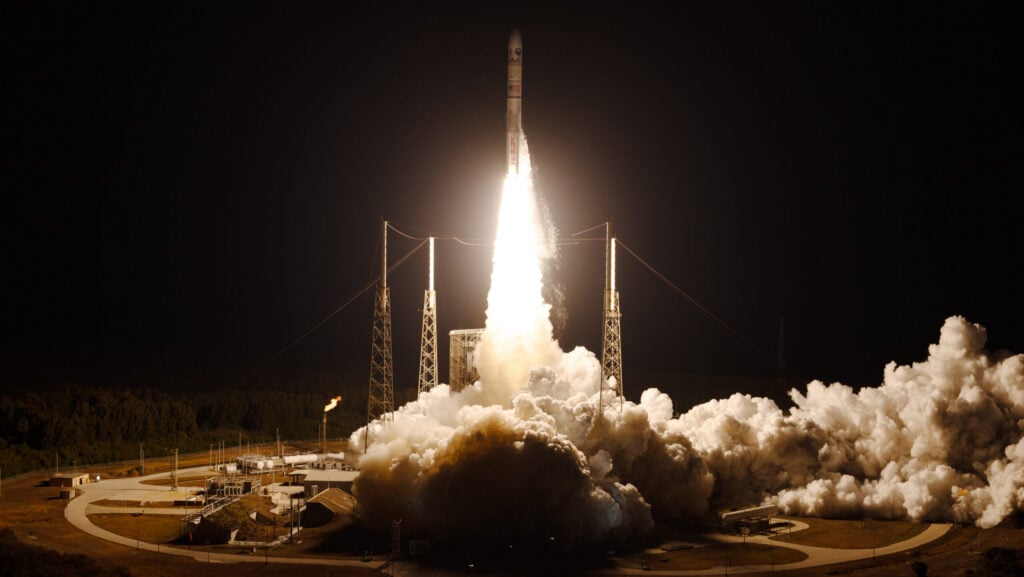
Vulcan Rocket Delays Threaten Space Force, NRO Satellite Launches
Delays in the Vulcan rocket program jeopardize critical satellite deployments for the U.S. Space Force and National Reconnaissance Office. Key military communication and next-gen missile warning satellites face launch postponements, risking U.S. strategic space capabilities.
The grounding of United Launch Alliance's Vulcan rocket has triggered significant disruptions across U.S. military space operations. Among the urgent launches affected are the Space Force's WGS-11 advanced communications satellite and the Next-Generation OPIR missile warning satellite, both essential to maintaining strategic superiority in space domains.
The Vulcan rocket, designed to replace Atlas V and Delta IV vehicles, encountered technical and certification setbacks leading to its temporary suspension. Originally scheduled for multiple launches this quarter, its grounding threatens to cascade delays across several high-priority national security missions.
These satellites are critical components of U.S. defense infrastructure: WGS-11 expands high-capacity, secure communications for combatant commands globally, while the OPIR GEO satellite enhances early missile launch detection capabilities against emerging threats. Delays in their deployment could degrade command and control and missile warning effectiveness.
Vulcan rockets feature advanced BE-4 engines by Blue Origin, aiming for greater payload capacity and reliability. The setbacks relate to engine certification and integration testing failures identified recently. Alternate launch vehicles lack immediate readiness to replace Vulcan without significant schedule disruptions and cost overruns.
If the grounding persists, U.S. military space operations risk a strategic gap at a time of intensifying space competition with Russia, China, and other powers. Mitigating these delays requires accelerated troubleshooting, potential launch manifest reordering, and international cooperation for alternate launch access options in future contingencies.