Vietnam Engages SK for Renewed Nuclear Power Plan
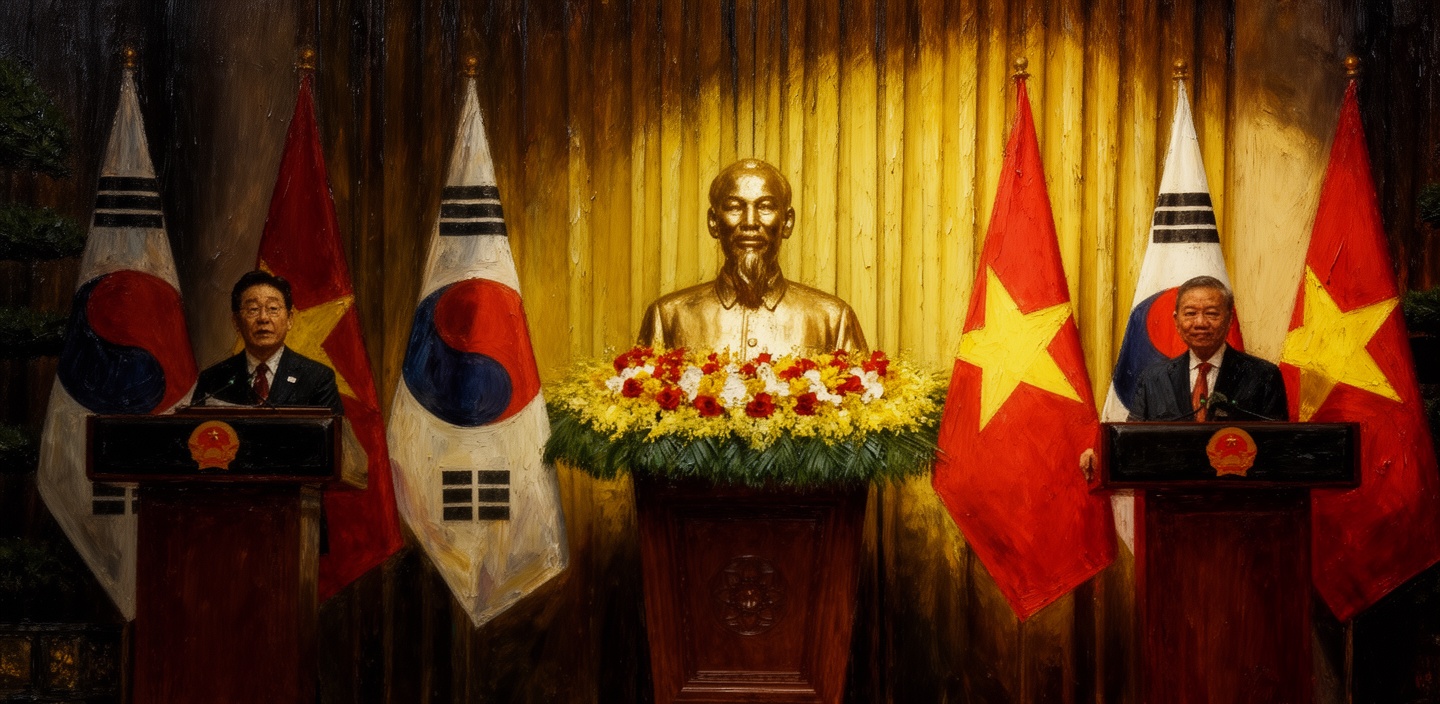
Vietnam partners with South Korea to revive its nuclear power ambitions. The collaboration signals a strategic push to diversify energy sources, reduce emissions, and enhance energy security. Analysts will watch for reactor design choices, financing, and regional reaction.
Vietnam has formally invited South Korea to participate in a renewed nuclear power initiative. The move marks a deliberate shift toward low-carbon baseload generation and a hedge against rising fossil fuel costs. Seoul is expected to provide advisory support, technology assessment, and potential equipment procurement pathways. The announcement underscores Hanoi's intent to accelerate modernization of its energy sector within a Southeast Asian security context.
Historically, Vietnam has flirted with nuclear energy since the 1960s, but halted programs amid safety concerns and regional policy debates. The current plan aims to leverage South Korea's experienced reactor fleet and financing mechanisms. Government sources indicate regaining momentum after a recent reassessment of demand projections, grid integration capacity, and public communication strategies. Regional partners are likely to scrutinize safety standards and nonproliferation assurances.
Strategically, the partnership with South Korea serves multiple goals: diversify energy mix, enhance energy resilience, and demonstrate regional technological leadership. It also introduces a potential counterweight to heavy fuel dependence and reinforces industrial linkages with a major North Asian supplier. For defense and deterrence analysis, reliable electricity underpins critical civilian-mustainment capabilities and can indirectly influence mobilization logistics during periods of tension in the South China Sea and Indo-Pacific theater.
Technical and operational details remain forthcoming, including reactor type (likely pressurized water reactor family), plant capacity, site selection, and financing structure. Korea's export control and safety regulator experience will be pivotal in due diligence. The deal could involve joint ventures, local content rules, and long-term service agreements for fuel supply, maintenance, and decommissioning planning. If realized, the program would require heightened regulatory readiness and cross-border cooperation across energy and defense ministries.
Looking ahead, the most probable path involves phased studies, stakeholder consultations, and multilateral risk assessments before any construction begins. Domestic public acceptance, environmental impact studies, and seismic risk analysis will shape timelines. In the broader arc, Hanoi's nuclear pursuit signals a willingness to embrace strategic energy alternatives amid global decarbonization pressures and shifting regional power dynamics.