USS Gerald R. Ford Engulfed in Fire, Crew Injured Amid Operational Flaws
The USS Gerald R. Ford, the largest aircraft carrier globally, faces operational vulnerabilities as a fire injures crew members. These incidents raise serious questions about the carrier's readiness and reliability in showcasing military power.
A fire in the laundry room of the USS Gerald R. Ford left two crew members injured, highlighting significant operational flaws aboard the world's largest aircraft carrier. The incident occurred while the vessel was deployed for Operation Epic Fury, a military exercise that underscores the carrier's intended role in power projection. Both sailors are currently receiving medical care for non-life-threatening injuries, but this emergency raises alarms over the ship's operational integrity.
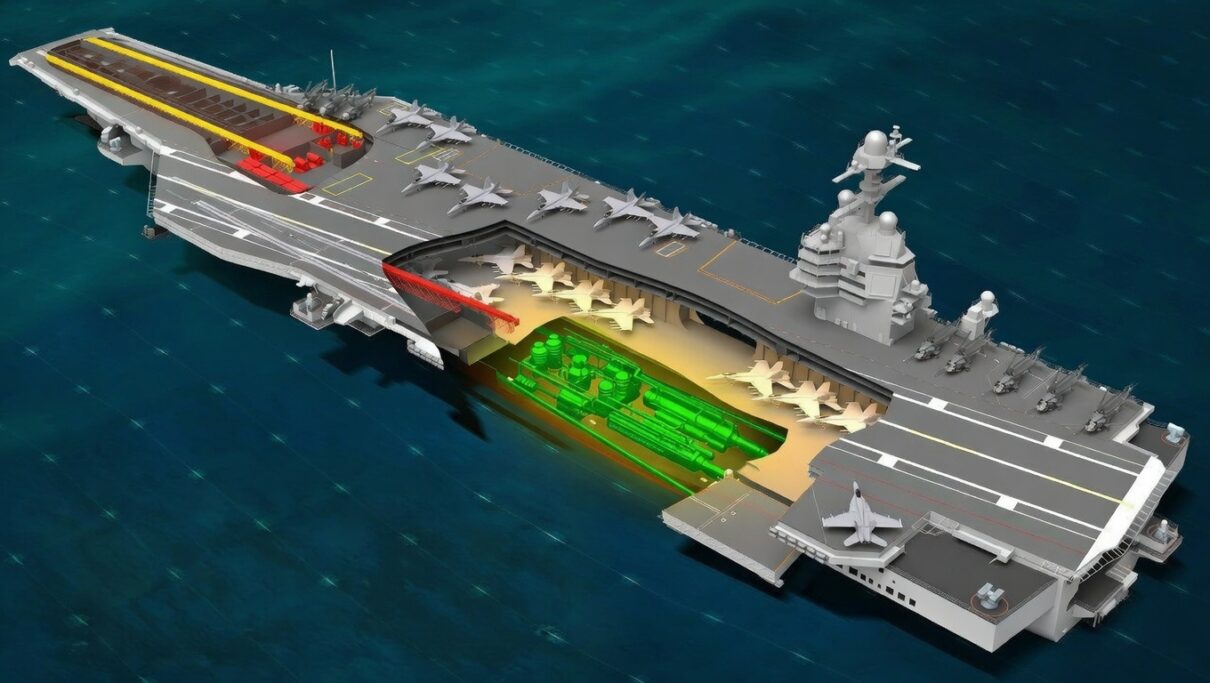
The USS Gerald R. Ford, commissioned in 2017, was designed to represent a significant leap in naval capabilities, yet has been plagued by developmental issues and delays since its inception. As the first of the new Ford-class aircraft carriers, it was touted for advanced technologies, including the Electromagnetic Aircraft Launch System (EMALS) and improved radar systems. The fire incident comes on the heels of multiple reported complications, which include functionality problems with the advanced systems purported to enhance mission efficacy and safety.
This incident is globally significant because it exposes vulnerabilities in US naval power projection capabilities, especially in high-stakes regions where the carrier is expected to demonstrate dominance. The USS Gerald R. Ford serves as a symbol of American military strength, and its operational challenges could embolden adversaries who seek to challenge that dominance. Failure to ensure the ship's reliability could shift power dynamics, allowing rival naval forces, notably from China and Russia, to capitalize on perceived weaknesses in US naval operations.
Key players in this situation include the US Navy, which faces increasing pressure to rectify these operational shortcomings, and competing naval powers closely observing the effectiveness of American assets. The maritime landscape is shaped not only by the sheer size of the Gerald R. Ford but by the strategic implications of its operational failures. Adversaries are likely analyzing these shortcomings to develop countermeasures or enhance their own naval capabilities.
Operational details regarding the USS Gerald R. Ford's capabilities reveal an ambitious profile: it can support up to 90 aircraft, has a flight deck designed for rapid launch and recovery, and comes equipped with cutting-edge warfare systems. However, the ongoing struggles with its advanced technologies, exemplified in the current fire incident, reveal alarming deficiencies. The growing number of mishaps might lead to costly delays, affecting future deployments and budget allocations earmarked for the US Navy's modernization efforts.
The likely consequences of such incidents include a reevaluation of naval engagements and the potential for increased scrutiny from both domestic and international stakeholders. If operational failures persist, the US may be compelled to consider alternative strategies or reinvest in legacy systems that demonstrate proven reliability. Escalation paths could lead to broader discussions around naval capabilities and the need for immediate reforms or modifications in existing protocols and safety measures.
Historical precedents can be drawn from past operational oversights that led to significant reevaluations of naval strategies, such as the USS Bonhomme Richard fire in 2020. Similar incidents resulted in public outcry and reevaluated operational safety standards across the fleet. The Gerald R. Ford's developmental issues mirror these past crises, demonstrating that even the most advanced military assets may face difficulties in execution.
Looking ahead, defense analysts and military intelligence professionals should closely monitor any further operational incidents involving the USS Gerald R. Ford, the reaction of global adversaries, and the Navy's corrective measures. Key indicators may include reports of additional mishaps, any alterations to operational tempo in the region, and announcements regarding budget adjustments for naval forces. Such developments will signal whether the US can maintain its strategic advantage or if vulnerabilities will be exploited by rival states.