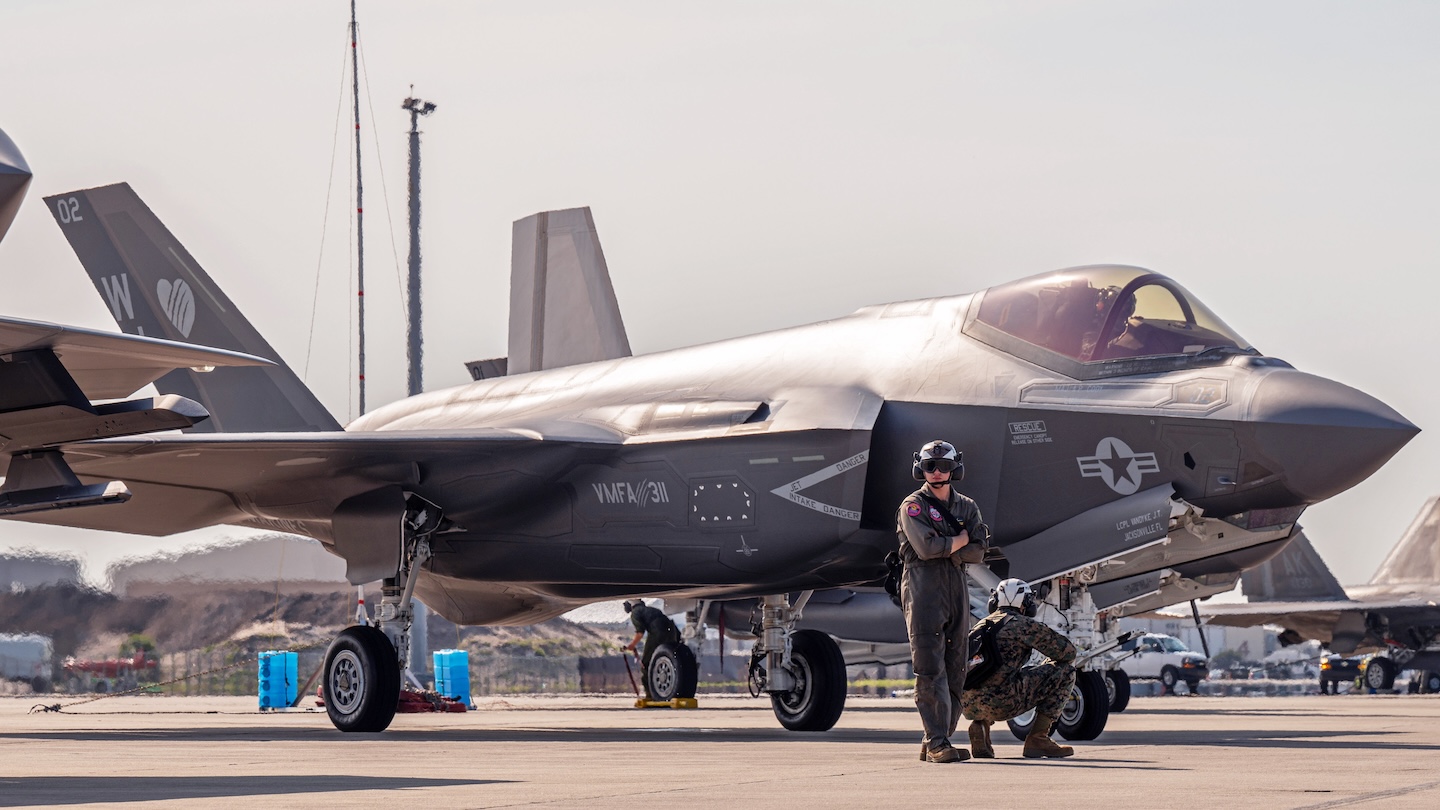
USMC F-35Cs Deploy to Middle East Boosting Regional Air Power
The deployment of land-based Marine Corps F-35Cs to the Middle East marks a significant escalation in US regional air power. This shift enables expanded strike capabilities and sustained air superiority amid rising tensions. The move signals a strategic consolidation of advanced stealth fighters in a volatile theater.
The United States Marine Corps has begun moving its F-35C Lightning II carrier variant fighters to land bases in the Middle East. This represents a strategic pivot for the F-35C model, traditionally operated primarily from aircraft carriers, now enhancing forward-deployed Marine combat capabilities on land. The shift comes as regional tensions increase, demanding more flexible and powerful air assets.
Previously, USMC F-35Cs operated mainly from navy carriers in various theaters, but the decision to base them ashore in the Middle East indicates preparation for sustained, intensified operations. The Marine Corps plans to expand its aviation footprint in the region, integrating these advanced stealth jets into joint operations with other American and allied forces.
This deployment enhances US operational flexibility by improving rapid strike options and persistent air dominance. The F-35C’s longer range and larger weapons payload compared to other variants provides the Marines with robust capabilities to counter emerging threats from regional rivals. The move underlines the growing importance of stealth and networked warfare in an increasingly contested Middle Eastern airspace.
Technically, the F-35C is designed for carrier operations with larger wings and more robust landing gear than the F-35A and B variants. It can carry up to 18,000 pounds of ordnance and features advanced radar and sensor fusion capabilities. These attributes enable deep strike missions and coordination with naval and ground forces in complex combat environments.
Looking ahead, the land-based F-35Cs will likely drive expanded Marine air operations including deterrence patrols and rapid strike missions across the Middle East. This deployment also signals an intent by the US to maintain a technological edge amid escalating rivalry with Iran and proxy groups, potentially shaping the regional power balance for years to come.