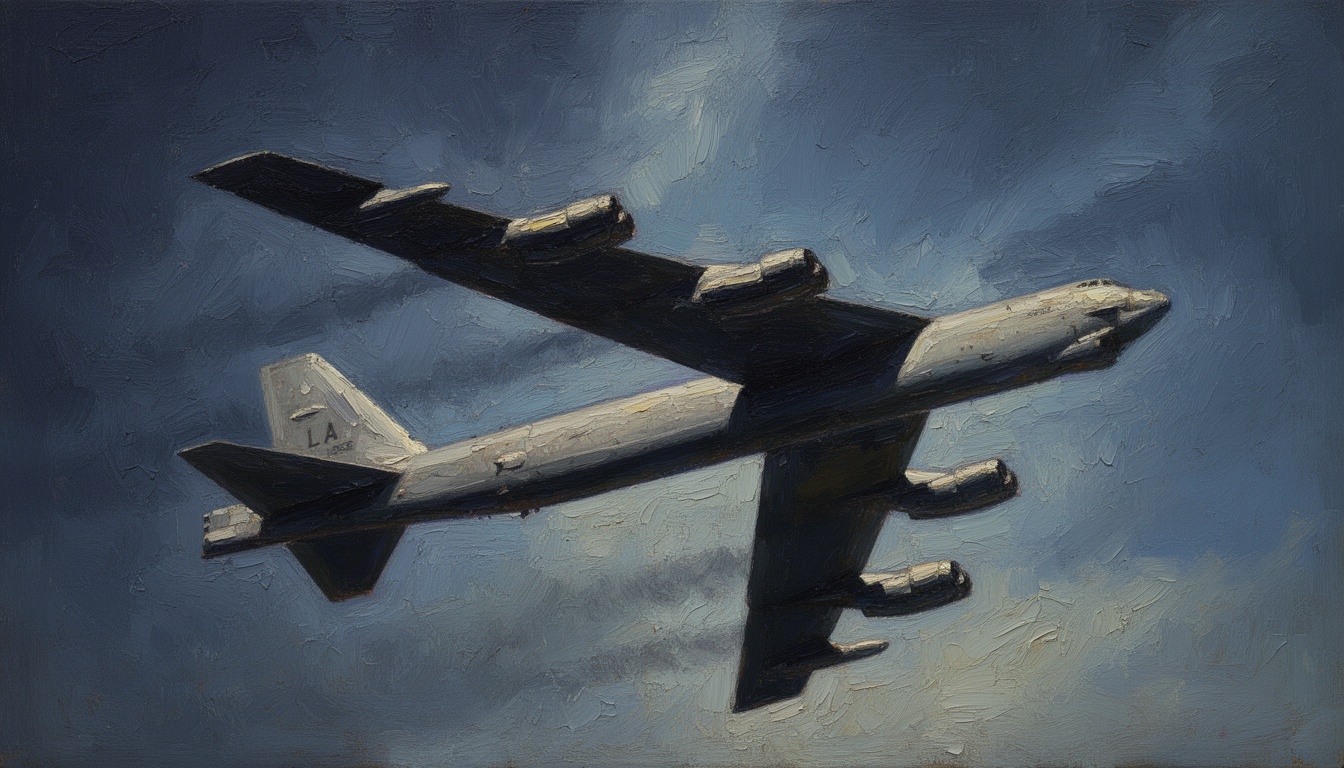
USAF Launches B-52 Bombing Missions Over Iran First Time
The United States Air Force has initiated B-52 strategic bomber sorties over Iranian territory, marking a significant escalation in regional tensions. This unprecedented step demonstrates a shift in US military posture toward Iran, raising the stakes in a volatile geopolitical hotspot. The missions underscore the potential for direct military confrontation between two major Middle Eastern actors.
The United States Air Force (USAF) has commenced B-52 Stratofortress bombing missions over Iran, according to a senior US military official. These operations represent the first time the iconic heavy bombers have flown combat sorties in Iranian airspace or close proximity. This move signals a sharp escalation in US military activities directly targeting Iran.
This development emerges amid growing hostilities between Washington and Tehran fueled by sanctions, proxy conflicts, and disputed nuclear activities. Historically, US strikes have targeted Iranian proxies or infrastructure outside Iranian borders, but no B-52 operations have been publicly reported within Iran until now. This marks a stark departure from previous strategies.
Strategically, using B-52 bombers over Iran carries immense symbolic and operational weight. The B-52’s long range and heavy payload capacity allow strikes deep into Iranian territory, threatening key assets and command centers. It also sends a message to regional actors and adversaries of US willingness to escalate military pressure, affecting calculations in the broader Middle East power balance.
Technically, the B-52H bomber can carry up to 70,000 pounds of mixed ordnance including precision-guided bombs, missiles, and cruise weapons. These missions likely involved sophisticated targeting and electronic warfare support to mitigate Iranian air defenses, which include integrated surface-to-air missile systems and radar networks.
This unprecedented use of B-52 bombing runs over Iran raises the risk of direct conflict escalation, potentially provoking Tehran to retaliate against US forces and allies. It drastically heightens tensions in an already fragile region and risks drawing other major powers into a wider confrontation. International observers must monitor the situation closely as the potential for miscalculation is high.