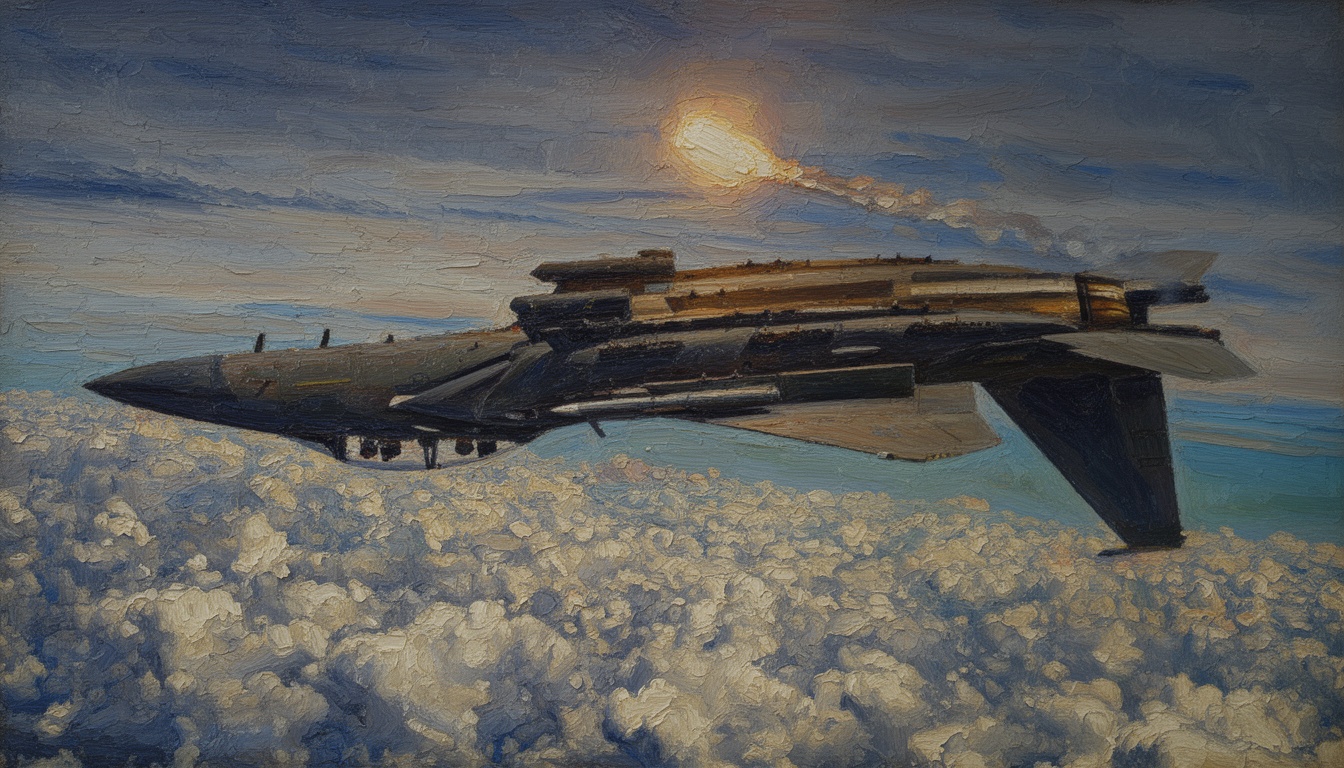
USAF Doubles F-15EX Buy, Accelerating 4th-Gen Standup
The USAF has doubled its F-15EX procurement, signaling a rapid drive to modernize air fleets. The move strengthens the F-15 line as a bridge until 5th-gen assets ramp up, and preserves an able successor to aging F-15Es. The decision underscores a must-have mix of legacy and next-gen capabilities amid shifting threat landscapes.
The United States Air Force has confirmed a doubling of its F-15EX procurement. This escalation comes as the service continues to replace the F-15C/D with a next-generation airframe while maintaining a high-end, versatile platform. The doubling signals a strategic emphasis on rapid, scalable airpower that can be expanded to meet evolving contingencies. While the F-15EX replaces older F-15C models, the broader aim is to provide a robust bridge to future, more advanced fighters.
Historical context shows that the F-15 line remains in demand for its payload capacity, interoperability with legacy strike aircraft, and ease of integration into existing basing and maintenance ecosystems. The USAF has long considered the F-15 platform a reliable backbone for air superiority and strike roles, particularly when budget cycles tighten for more expensive stealth assets. Doubling the buy reflects political and industrial realities: sustaining manufacturing lines and preserving skilled labor while awaiting full 5th-gen saturation.
Strategic significance centers on force structure and deterrence. A larger F-15EX fleet enhances presence, endurance, and sortie generation in contested airspaces. The move also signals confidence in the platform’s growth path, including data fusion, weapons upgrades, and networked warfare capabilities. In a multi-domain fight, the expanded fleet provides a flexible, scalable option to deter rivals without over-reliance on a single airframe.
Operational details remain, for now, high-level. The F-15EX offers substantial payload capacity, advanced sensors, and compatibility with stand-off and cruise missiles. Fiscal specifics are not disclosed here, but the increase implies renewed production momentum and potential extended service lives for the aircraft. Analysts will watch for how this affects allied defense planning and regional power projections as the balance among airpower assets shifts.
Looking ahead, the doubled procurement could influence partner and competitor calculations, pressuring rivals to accelerate their own modernization efforts. It may also alter basing and training priorities across the joint force, ensuring that maintenance, supply chains, and pilot pipelines can absorb the larger fleet. In the near term, air superiority and flexible strike capability gain a crucial boost, even as the service continues to integrate next-generation platforms.