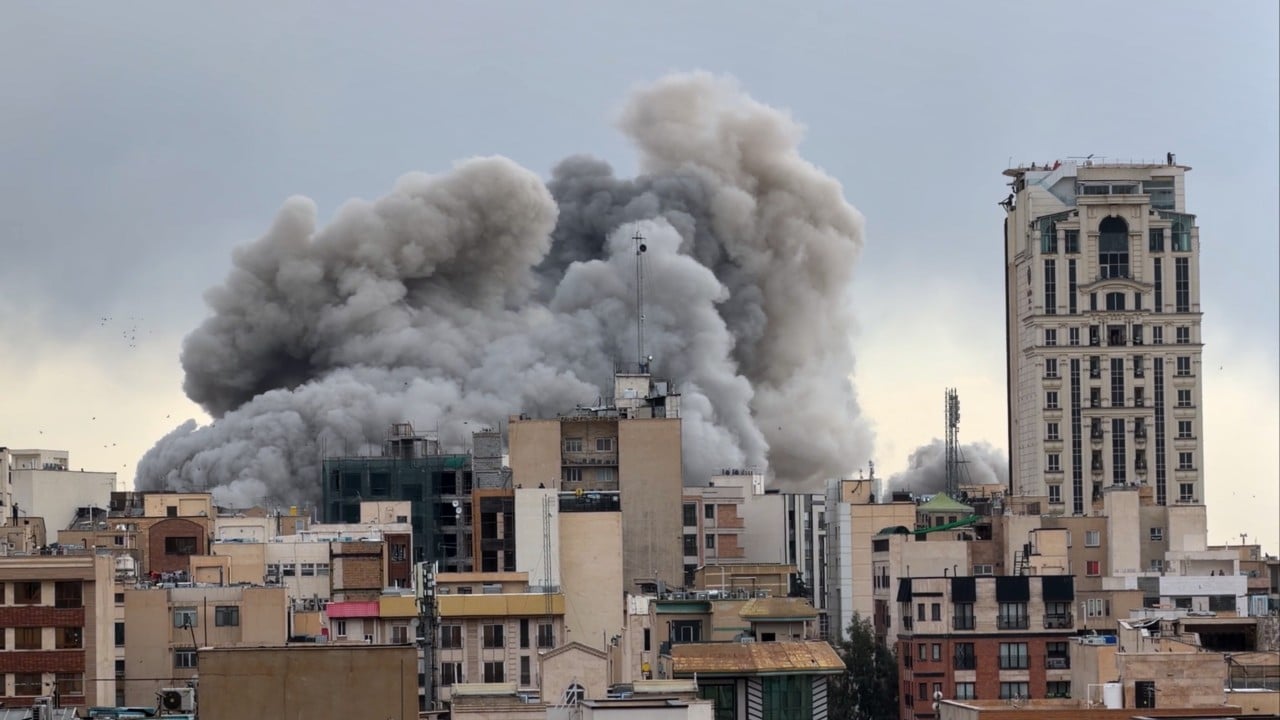
US Warns Civilians as Iran Militarizes Port Facilities for Warfare
The US Central Command issues a dire warning regarding potential military strikes on Iranian ports, vital for regional security. The operational shift raises alarms about Iran's aggressive maritime posture amid scrutiny of US actions in the region.
The US Central Command (CENTCOM) has issued a stark warning for civilians to steer clear of Iranian port facilities, asserting these locations have become integral to military operations by the Iranian navy. CENTCOM's alert signals a potential uptick in US military involvement in a region critical for global oil shipping, especially through the strategic Strait of Hormuz—a chokepoint for nearly 20% of the world's petroleum.
Historically, Iran has leveraged its geographic position and resources to project military power, particularly under the umbrella of its Revolutionary Guard Corps. The current escalation stems from years of increasing tensions between the US and Iran, exacerbated by incidents involving military ships and maritime security in the Persian Gulf, compounded by the fallout from the 2015 nuclear deal and subsequent sanctions.
This warning is significant as it illustrates a clear path toward heightened military confrontations in a volatile region. The explicit designation of civilian ports as military targets under international law not only legitimizes potential US strikes but also intensifies the risk of miscalculation leading to broader conflict, particularly given Iran's historical response to perceived attacks on its sovereignty.
Key players in this scenario include the US, responding to Iran's actions, and Iran, which seeks to demonstrate its military capabilities amid international scrutiny. The Iranian regime has been reportedly beefing up its military presence in these ports while denying any wrongdoing, framing its narrative around national defense and protection against foreign interventions.
Technical aspects of this situation unfold against a backdrop of potential military engagements, with the Strait of Hormuz's width averaging only 33 kilometers. This narrow passage complicates naval operations and tactical decisions for both US and Iranian forces and raises the stakes for any confrontations resulting from errant strikes or misjudgments.
Consequences of this militarized approach could include direct attacks on Iranian naval assets or blockages of shipping routes, heightening global oil price volatility. Moreover, further escalation could see a return to proxy engagements, with nations like Saudi Arabia and Israel potentially increasing their involvement in the region, further complicating an already tense situation.
Historically, such escalations have precedents, with the Tanker War during the 1980s Iran-Iraq conflict serving as a sobering reminder of the risks involved when commercial shipping and military operations intersect in the Gulf. The accumulation of naval assets on both sides heightens the probability of confrontation reminiscent of past maritime crises.
As the situation develops, intelligence analysts should monitor Iranian naval activities closely, as well as US naval movements in the region. Indicators of distress could include changes in naval deployment patterns or increased reconnaissance flights, reflecting deeper strategic posturing potentially leading to military engagements in the near future.