US War Strikes on Iran Escalate Ahead of Potential Endgame Decision
The US intensifies military strikes against Iran, marking a crucial escalation as President Trump considers an abrupt end. The focus now shifts to the implications for regional stability and global security.
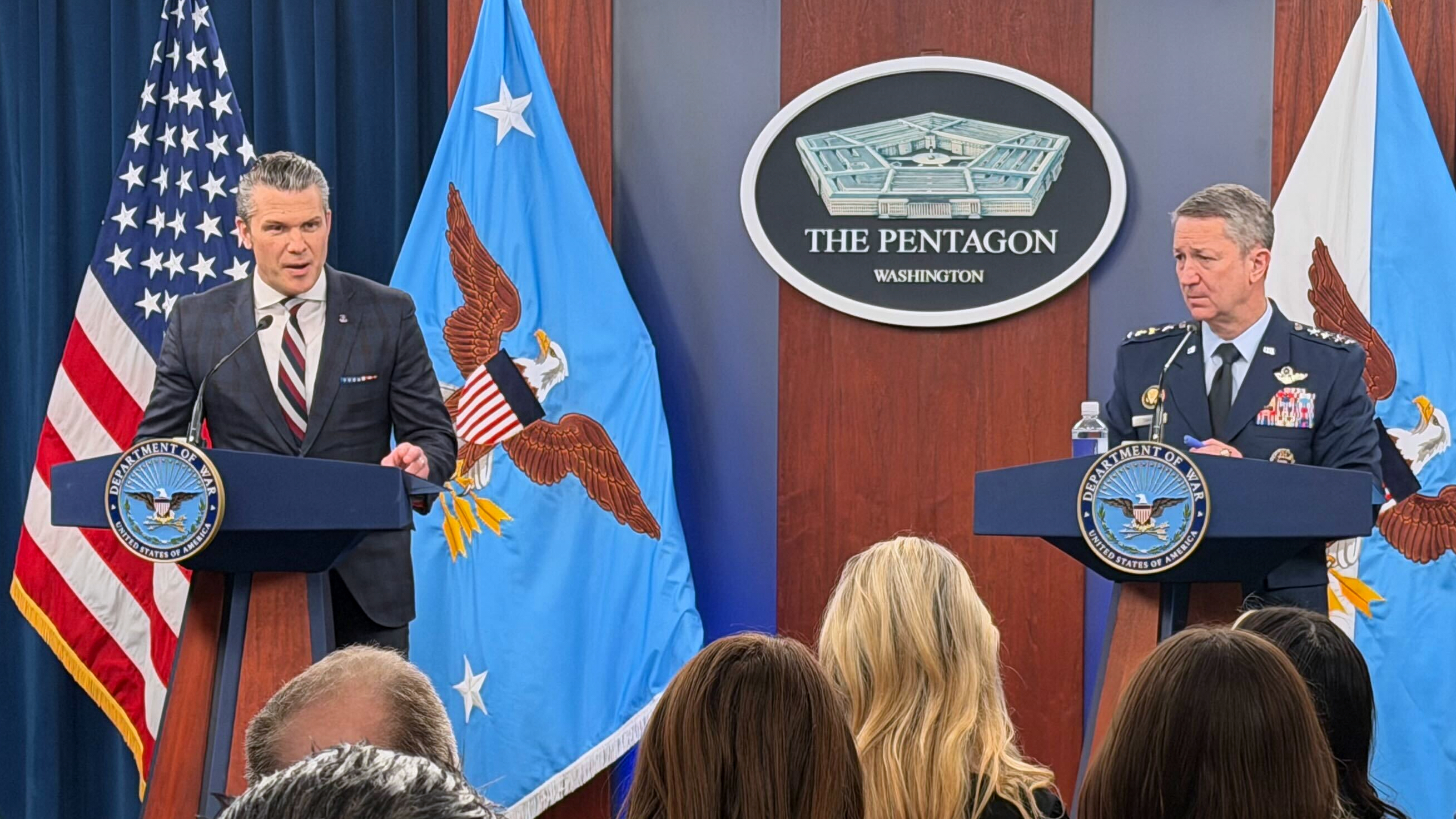
US Defense Secretary Pete Hegseth has declared that Tuesday will witness the most intense day of military strikes against Iran, with an unprecedented deployment of aircraft and personnel. This announcement indicates a significant escalation in the ongoing conflict, as the US moves to deepen its military engagement within Iranian territory. Hegseth emphasized that this peak in operations comes as President Donald Trump weighs the future of the conflict and its ultimate timeline.
The backdrop to this moment is a series of mounting tensions between the US and Iran, sparked by broader geopolitical shifts and marked by the US withdrawal from the Iran nuclear deal in 2018. Since then, multifaceted confrontations have characterized US-Iran relations, involving proxy confrontations in Syria and Iraq, maritime security concerns in the Strait of Hormuz, and sanctions that severely cripple Iran’s economy. As such, the current military escalation is the culmination of years of hostilities, provocations, and failed diplomatic overtures.
This dramatic shift in military posture is significant due to its potential impact on regional power dynamics and the global geopolitical landscape. Heightened US military activity risks drawing in neighboring nations, escalating tensions between Iran and its allies in the region, notably Hezbollah and various Shiite militia groups. Given Iran's strategic geographical positioning and its role in the Middle East, these military actions could lead to unpredictable retaliation and further instability affecting oil markets and shipping lanes.
Key actors in this conflict harbor divergent motivations: the Trump administration aims to project strength and potentially bolster its position in upcoming elections amidst domestic pressures. Conversely, Iran’s leadership is likely to use its response to reinforce its narrative of resistance against US aggression, consolidating internal support. Both sides are maneuvering for political leverage, which complicates the potential for a de-escalatory dialogue.
Operationally, the Pentagon’s intensification includes deploying an unprecedented air fleet to conduct the strikes, involving dozens of F-15 and F-16 fighters, as well as strategic bombers capable of delivering precision strikes on various Iranian military installations. This represents a tactical shift focusing on quick, impactful engagements designed to undermine Iranian military capabilities while managing the risks of prolonging military engagement.
The likely consequences of this escalation are dire. Iran may respond asymmetrically, through cyber attacks, proxy warfare, or asymmetric naval operations in the Persian Gulf. Deliberate targeting of US assets in the region could prompt further retaliation, creating a cycle of violence that could spiral out of control, drawing in regional allies on both sides. The potential for miscalculation in such a charged environment remains high, posing risks to international security.
Historically, this moment parallels previous US military engagements in the Middle East, particularly the invasion of Iraq in 2003, which led to prolonged conflict and instability. The current escalation echoes lessons learned from that period, where the initial tactical advantages were offset by protracted insurgencies and regional upheaval, leading to unintended consequences for US foreign policy.
Moving forward, key indicators to monitor include the scale of Iran's retaliatory measures, responses from regional allies, and any shifts in US military strategy following the strikes. Observers should also keep an eye on the political ramifications in Washington, as the administration's decision-making could pivot quickly in response to ground realities or unexpected escalations from Tehran.