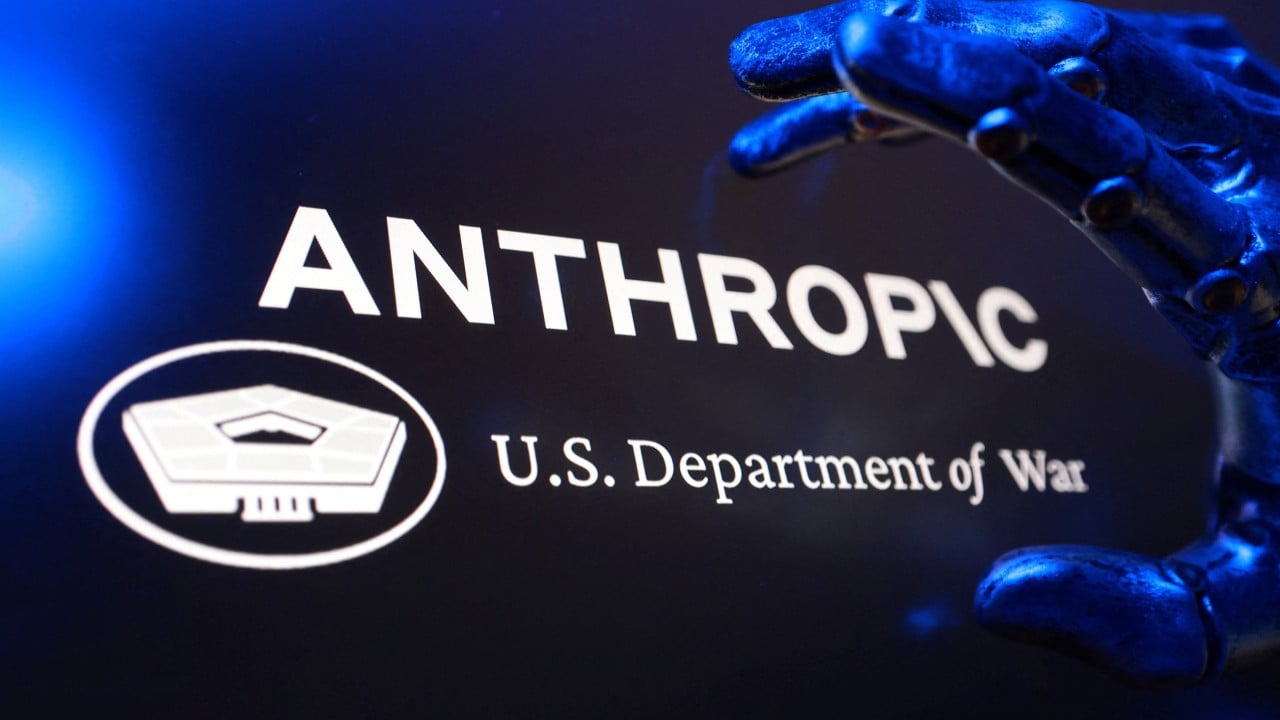
US Treasury Bans Anthropic Tech Amid Pentagon Rejection Crisis
The US Treasury's termination of Anthropic's tech highlights escalating tensions over defense and AI. Trump's governing influence raises concerns over U.S. AI policy and private sector autonomy.
The U.S. Treasury Department has declared an immediate ban on all technologies developed by Anthropic, including its Claude AI platform. This unprecedented move follows directives from President Trump, who mandated a government-wide prohibition against the AI start-up after it refused to meet Pentagon demands for modifications to its technology. By severing ties with Anthropic, the Treasury has joined other U.S. government agencies in rejecting collaborations that may undermine national security.
The backdrop of this decision lies in Anthropic's controversial stance on ethical AI development, particularly its hesitance to collaborate with defense institutions that may leverage its technology for military applications. This unease is exacerbated by the increasingly polarized view of AI capabilities among both governmental and private sectors. Anthropic’s refusal to comply with Pentagon requests illustrates a broader tension regarding the ethical implications of AI in warfare and defense.
The significance of this ban cannot be understated. It exposes critical vulnerabilities in U.S. AI policy, particularly regarding defense and military applications. By forcing private companies to choose between ethical principles and government contracts, this crisis may stifle innovation in the AI sector. Furthermore, it paves the way for other countries to seize opportunities in military AI advancements, potentially widening the global tech gap.
Key players in this unfolding drama include President Trump, whose hardline approach towards defense technology oversight reflects nationalistic tendencies, and Anthropic, which appears committed to retaining its ethical guidelines, even at the cost of government contracts. The Pentagon is also a critical actor, holding significant influence over AI’s direction within defense applications, making it a pivotal point in determining future collaboration frameworks.
Operationally, the Treasury’s action represents a larger shift in how U.S. defense policy interacts with emerging technologies. As of now, the Treasury will eliminate all Anthropic programs, which raises pressing questions about the capabilities of U.S. AI systems going forward. The implications of this decision may ripple across corporate budgets, as firms reconsider partnerships with government entities based on ethical stances and competency fears.
Potential consequences of this decision could lead to an escalation of tensions between the private sector and the U.S. government. If firms such as Anthropic continue to resist military collaboration, it could spur the Pentagon to pursue even more aggressive domestic or foreign AI development strategies, potentially leading to a split in the AI landscape between military and civilian applications.
This situation is reminiscent of historical patterns during the Cold War, where technological alliances were heavily influenced by ethical considerations and government demands. During that era, firms chose sides—those aligning with defense often prospered, while others faced obsolescence. The current crisis not only threatens to follow suit but also destabilizes the entire tech landscape focused on AI.
Moving forward, the intelligence community must watch for subsequent policy adjustments from both the U.S. government and private sectors regarding AI collaborations. Keep an eye on whether other technology firms will be subjected to similar pressure to decide between ethical practices and government contracts. Monitoring Anthropic’s course of action as it navigates this crisis will be critical, along with subsequent developments from the Pentagon and emerging global competitors in the field of military AI.