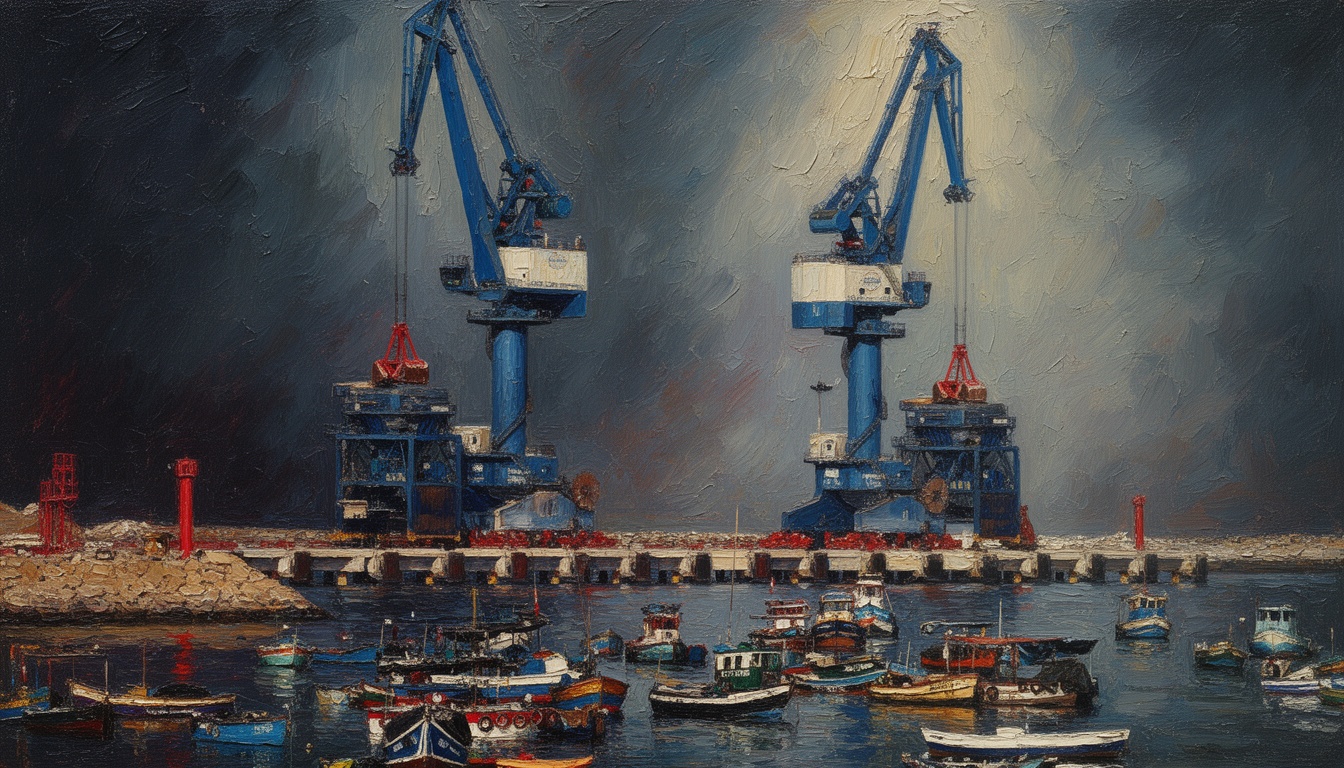
US to Help Peru Reclaim Chancay Port from China, Lawmaker Says
A senior US legislator urges Peru to reclaim the Chinese-controlled Chancay port, framing the megaport as a strategic threat to the hemisphere. The statement signals heightened US involvement in the Western Hemisphere and a pushback against Beijing’s maritime leverage. Washington appears prepared to assist a future Peruvian government in wresting control of the facility.
The foremost takeaway is that US leverage will be used to influence Peru’s strategic asset, the Chancay deepwater port, currently under Chinese control. The congresswoman’s remarks during a hearing underscore a public stance from Washington that the port represents more than an economic node; it is framed as a potential military and geopolitical liability for the western hemisphere. The interaction reflects broader tensions between the United States and China over critical infrastructure and influence in the Americas. Analysts should watch Peru’s upcoming elections and the stance of the next administration toward foreign investment and sovereignty over strategic assets.
Context matters: Chancay sits on Peru’s central coast and offers deepwater access with potential for large-scale container traffic and naval-friendly logistics. Beijing’s footprint in Latin America has grown through ports, rail, and manufacturing investments, raising concerns among policymakers about dependence, debt, and security implications. The pushback from a senior US lawmaker aligns with a wider Western strategy to deter perceived encroachments on regional autonomy and sovereignty. The political dynamics in Peru will determine whether the port becomes a bargaining chip or a pivot point for security policy.
Strategically, the confrontation over Chancay signals a broader contest for influence in the Pacific littoral. If Peru reclaims control, it could complicate China’s supply chains and regional access, while boosting US regional influence and weapons-mobility alignments with partners. Conversely, concession to Beijing could deepen the hemisphere’s dependency and complicate Western deterrence architectures. The outcome will influence future naval and cargo security calculations across the Americas.
Operationally, the debate centers on sovereignty, investment terms, and potential security guarantees that might accompany a transfer of control. The port’s capacity—if fully developed—could accommodate megaships and support regional logistics hubs. Any US-backed action would require careful coordination with Peru’s constitutional process, potential Congressional approval, and a clear legal framework to ensure continuity of operations and avoid destabilizing economic shock.
Forward, the risk calculus sharpens: a successful Peruvian reclamation would sharpen Western dissuasion against strategic assets under foreign control, while failure could invite greater Chinese onboarding of regional facilities. Washington will likely pursue a mix of diplomatic engagement, financial guarantees, and security assurances to secure Peru’s commitment to sovereignty. The evolving alignment around Chancay will reverberate through regional security postures, supply-chain resilience, and the balance of power in the Pacific.