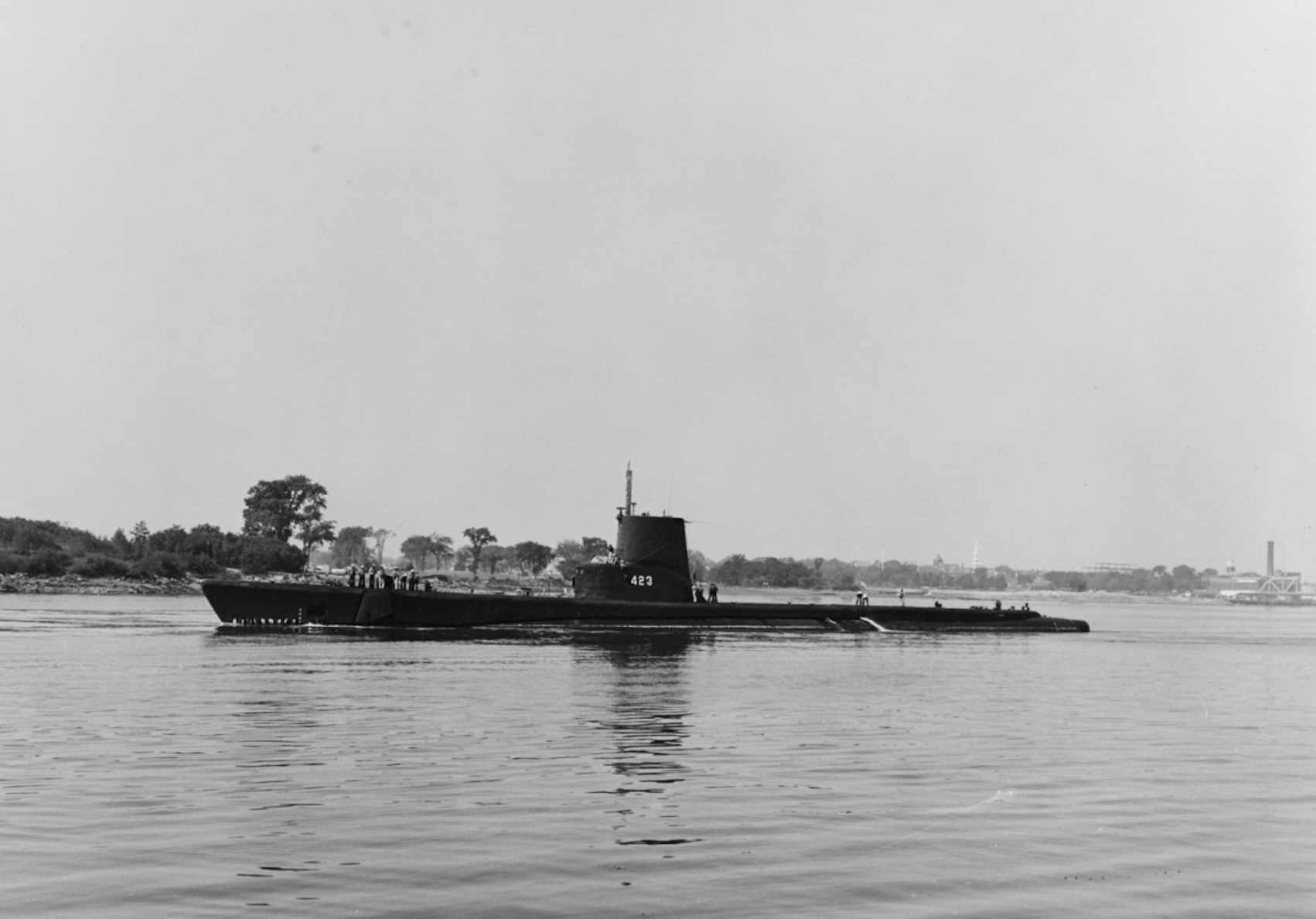
U.S. Submarines Fail for 80 Years Until Unexpected Kill on March 3, 2026
A World War II-era U.S. submarine achieved its first torpedo kill since the 1940s, raising concerns over U.S. undersea warfare capabilities. This development signals a troubling stagnation in naval combat effectiveness over decades.
The U.S. submarine Torsk, which last scored a torpedo kill during World War II, has unexpectedly achieved another kill on March 3, 2026, marking a strikingly rare event for America's undersea combat forces and raising alarms about the effectiveness of its naval strike capabilities. With this incident, the Torsk's legacy adds a new chapter, countering an 80-year drought in submarine warfare dominance.
Historically, the Torsk sank a Japanese vessel in 1945, with U.S. submarines averaging approximately 90 kills per year during World War II. However, as Cold War tensions shifted the focus to surface fleets and nuclear deterrence, submarine warfare languished, resulting in a diminutive combat record for U.S. submarines in the ensuing decades. The long absence of confirmed kills has led to increasing scrutiny of the U.S. Navy's operational readiness and effectiveness in today's geopolitical climate.
This development carries significant implications for U.S. naval strategy, particularly as tensions heighten in contested regions like the South China Sea. The failure to achieve consistent offensive action from the submarine fleet has exposed vulnerabilities, suggesting that enemy maritime capabilities may have advanced while the U.S. fleet remained adept but largely inactive. A resurgence of attack submarine engagements could signal a notable shift in this dynamic.
Key actors such as U.S. Navy Command and international adversaries are likely recalibrating their strategies following this incident. The U.S. Navy was primarily focused on deterrence during the post-Cold War era, but this recent kill may spur calls for re-evaluation of offensive submarine operations as the geopolitical landscape becomes increasingly complex.
Details surrounding the engagement remain sparse, but it is reported that the kill involved a torpedo fired from the Torsk, utilizing technology that remained classified until recently. Such engagements can reveal crucial insights into naval tactics and the evolving technological landscape of undersea warfare, raising questions about the budget allocations for submarine programs exceeding $200 billion on new classes.
Consequences of this incident may reverberate across international maritime policies, potentially leading to escalations in procurement and deployment of submarine assets among rival nations. The fight for undersea dominance could intensify as countries reassess their submarine capabilities in light of this newfound demonstration of lethality.
Historically, the gap in U.S. undersea kills mirrors earlier periods of stagnation, such as the 1930s naval disarmament discussions which saw a decline in fleet readiness and efficacy, showcasing patterns that repeat under various strategic environments. The ramifications of this incident may serve as both a rallying call and a warning to U.S. military planners.
Moving forward, intelligence analysts should monitor shifts in naval posturing from both U.S. and rival fleets. Increased submarine patrols and exercises in strategic waterways should be watched along with any potential changes to naval expenditure and the pace of undersea technology development, which may signal heightened tensions or further combat engagements on the horizon.