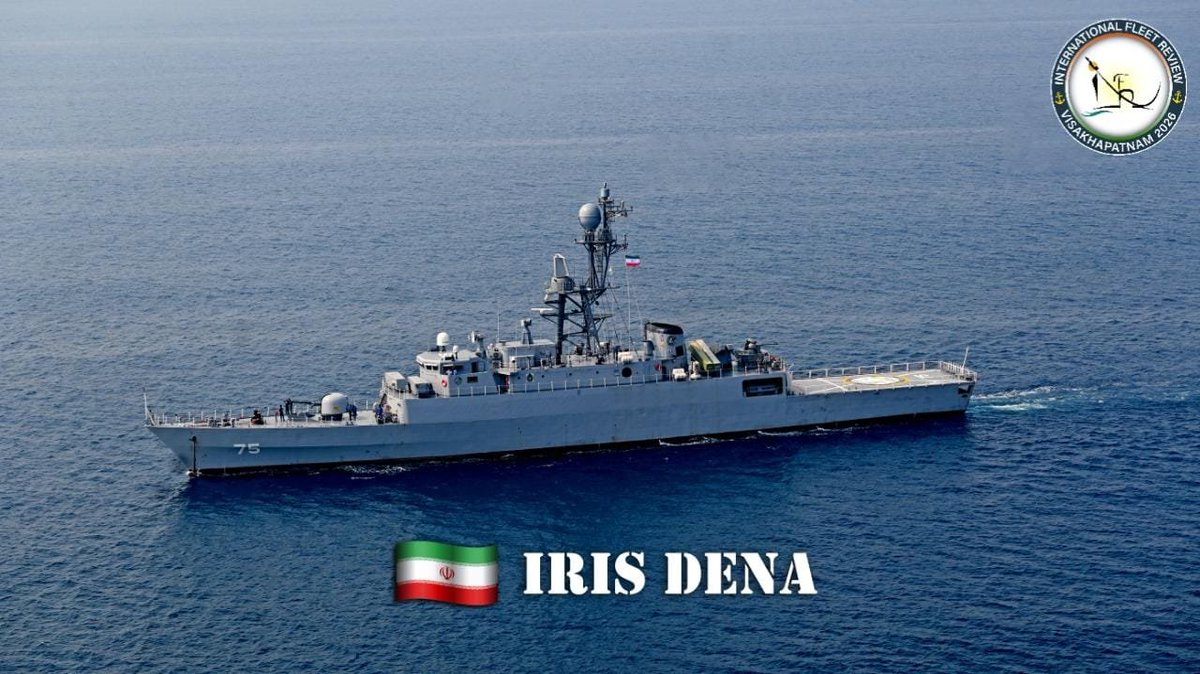
U.S. Submarine Sinks Iranian IRIS Dena, Defying Historical Precedent
The sinking of IRIS Dena marks a dangerous escalation in U.S.-Iran maritime tensions, signaling potential for further confrontations in a volatile region. This act reflects strategic shifts and the implications of advanced naval capabilities in the Indian Ocean.
A U.S. submarine has successfully sunk the Iranian warship IRIS Dena in the Indian Ocean, escalating maritime tensions between the two nations. This operation, confirmed by U.S. Defense Secretary Pete Hegseth, has been mischaracterized as the first on-record since World War II, although it is part of a longer history of submarine warfare and similar engagements over the decades.
The IRIS Dena, an aging vessel of limited capability, has now become a symbol of the deteriorated U.S.-Iran relationship, rooted in decades of conflict since the 1979 Iranian Revolution. U.S. maritime forces have long been engaged in confrontations with Iranian naval assets, which include harassment of U.S. vessels in the Strait of Hormuz and threats to regional shipping routes vital to global oil transport.
This sinking is significant, as it indicates an aggressive shift in U.S. naval strategy, dictated by a heightened perception of threat from Iranian forces in the region. The depth of antagonism is displayed through the use of lethal force, challenging Iran’s assertions of sovereignty and its maritime capabilities, which are already under stress due to economic sanctions and military isolation.
Key players in this scenario include the United States, which seeks to reassert its dominance in the Indian Ocean, and Iran, battling against increased military pressure. The motivations behind this strike involve not just tactical advantages but also a demonstration of U.S. commitment to curbing Iranian influence, which continues to pose challenges for U.S. interests and regional stability.
The U.S. submarine involved is likely a Virginia-class attack submarine, equipped with advanced torpedoes capable of targeting surface vessels at substantial distances. This class of submarines is part of a broader U.S. naval modernization initiative, which aims to maintain superiority over rival naval powers in strategic water bodies, especially in the context of maritime commerce and military presence.
The consequences of this action could trigger an escalation in Iranian responses, potentially leading to direct attacks on U.S. vessels or coalition partners in the region. Furthermore, it may invigorate Iran's asymmetric warfare tactics, including attacks on commercial shipping or allies of the U.S. around the Persian Gulf and beyond.
Historically, this incident resonates with previous maritime confrontations, including the sinking of the Argentine cruiser ARA General Belgrano and the Indian naval ship INS Khukri, underscoring a recurring theme of military clashes that disrupt regional geostrategic balance and raise the risk of broader conflicts.
Moving forward, signs to monitor include shifts in Iranian naval deployments and potential retaliatory measures against U.S. interests in the Gulf. Intelligence analysts should pay attention to increased military activities, naval exercises, and diplomatic communications from Tehran in response to this critical incident, gauging the likelihood of further escalating hostilities in the Indian Ocean theater.