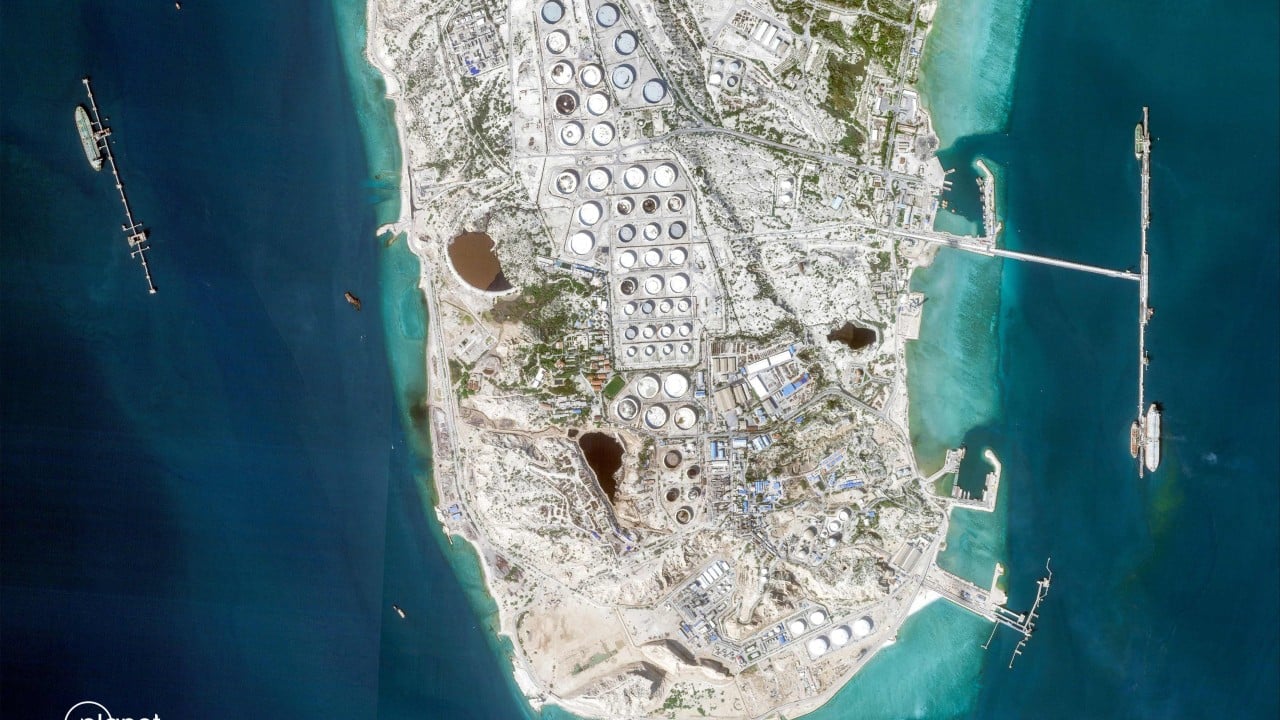
US Strikes Iran’s Kharg Island, Escalating Military Tensions
US airstrikes on Kharg Island symbolize a dangerous escalation in US-Iran tensions, risking a significant conflict in a strategic maritime hotspot. The targeting of Iran’s military infrastructure raises stakes in the Strait of Hormuz, critical for global oil transport.
The United States has launched airstrikes against multiple military targets on Iran's Kharg Island, with President Donald Trump declaring that every military installation has been hit. In a social media post, Trump unveiled the offensive while refraining from targeting the island's oil infrastructure, warning of swift retaliation if Iran or others disrupt shipping routes in the Strait of Hormuz. This deliberate choice indicates a turning point in US-Iran relations, where military engagement has escalated dramatically.
The strategic backdrop to this attack is rooted in escalating friction between the US and Iran, primarily driven by Tehran's expanding military capabilities and regional influence. Kharg Island serves as a key hub for Iran's oil exports, making it strategically significant in the broader context of the US's campaign to curb Iranian influence and prevent it from threatening global oil shipments. Past incidents, including tanker seizures and drone attacks, have intensified hostilities leading to this moment.
The significance of these strikes cannot be overstated. The Strait of Hormuz channels approximately 20% of the world’s oil, and any disruption here risks global economic stability. This latest aggression not only heightens the tension between Tehran and Washington but exposes significant vulnerabilities in Gulf security arrangements, paving the way for potential retaliatory strikes or broader regional conflict as Iranian forces may seek to respond.
Key motivations are at play: the US aims to reinforce its position in a region critical for its allies' energy security, while Iran seeks to demonstrate its resilience and retaliatory capabilities. Trump’s warning about re-evaluating his restraint on oil infrastructure if encroached upon suggests a looming shift towards a more aggressive US posture, possibly in a bid to rally domestic support amidst an election cycle fraught with challenges.
Operationally, the strikes are said to involve precision munitions targeting military assets, and the scope of the attack indicates extensive planning and intelligence-gathering efforts by US forces. The potential economic impact looms large, particularly since Kharg Island’s output may carry substantial repercussions for international oil markets if further escalations occur. The US Department of Defense is likely to allocate additional resources and assets to counteract Iranian responses, reflecting a commitment to maintaining regional hegemony.
In the wake of these developments, potential consequences unfold rapidly. The risk of Iranian retaliation could range from asymmetric attacks on US forces stationed in the region to strikes on Gulf allies. The situation could engulf other nations in a conflict spurred by Iran's responses, drawing in proxy forces from Yemen to Lebanon as Tehran leverages its regional alliances.
Historically, this attack parallels earlier confrontations in the Gulf, such as the Tanker Wars of the 1980s, which saw direct confrontations between US forces and Iranian proxies. The increased number of military engagements in the region raises the specter of an all-out conflict, as both sides leverage ambiguous military engagements to provoke the other.
Moving forward, analysts should closely monitor Iranian responses and how they choose to demonstrate their military resolve following these strikes. Significant indicators will include troop movements in the region, rhetoric from Iranian leadership, and any escalatory actions taken against vessels in the Strait of Hormuz. The potential for miscalculation is high, and the global defense community must stay vigilant to preclude a wider conflagration from erupting in this dangerously volatile region.