US Strikes Iranian School, 165+ Dead; Outdated Intelligence Blamed
A US missile strike on a junior school in Iran has killed over 165, predominantly children, raising severe international condemnation and strategic risks. This incident underscores significant flaws in US intelligence and execution in a volatile conflict environment.
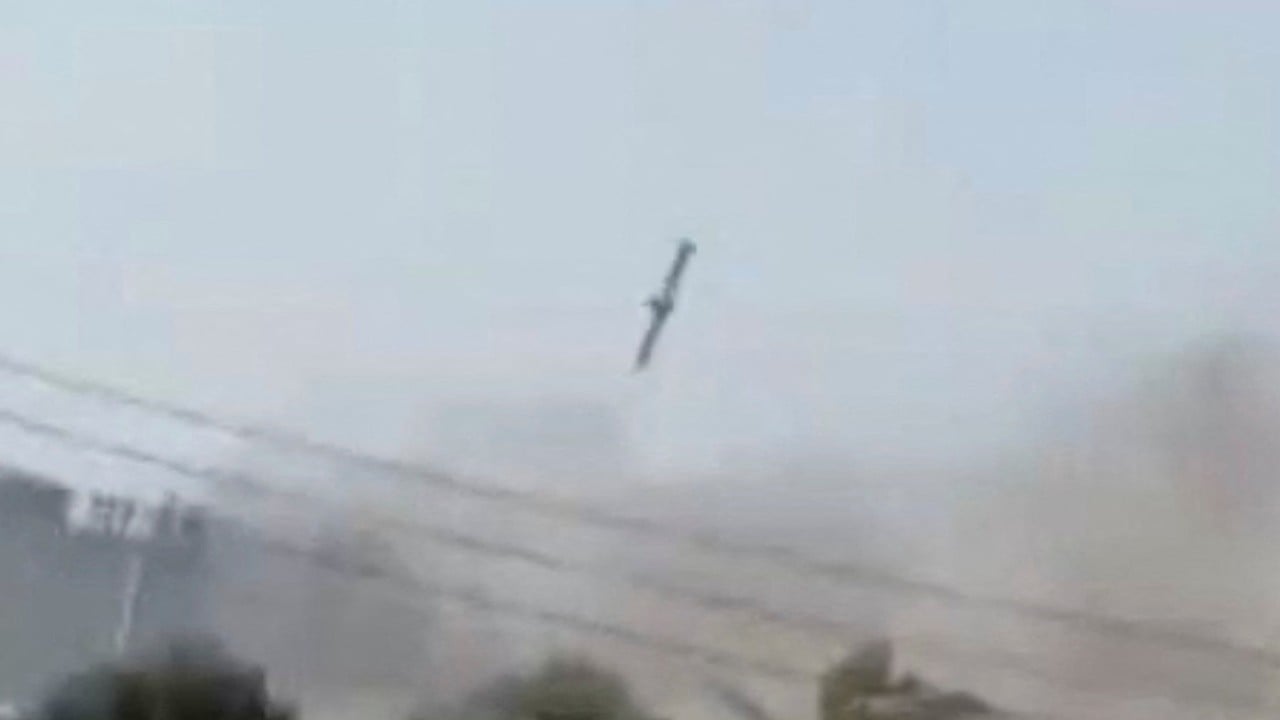
A US missile strike has targeted a junior school in Iran, resulting in the deaths of more than 165 individuals, most of whom were children. This strike occurred in the initial stages of a conflict that has rapidly escalated tensions in the region and drawn widespread condemnation from the global community. Preliminary investigations suggest that outdated intelligence was a key factor in this devastating error, prompting urgent calls for accountability and intelligence reform within US military operations.
The context of this bombing is rooted in the ongoing hostilities between the US and Iran, which have seen heightened tensions following years of proxy conflicts and aggressive posturing. The US, seeking to degrade Iran's military capabilities, has launched a series of strikes in the region, but this incident marks a drastic escalation in civilian casualties. Such missteps have not only humanitarian implications but also jeopardize international stability amid an already precarious geopolitical landscape.
This strike is significant as it exposes critical vulnerabilities in US military operations and decision-making protocols. The unintentional targeting of a school reflects a dangerous precedent in modern warfare, where intelligence failures can lead to mass casualties and further inflame existing conflicts. The potential for retaliatory measures from Iran now looms larger, as the incident has galvanized regional actors against the US, risking broader destabilization.
Key actors in this incident include the US military, which has been expediting its operations in Iran under the justification of countering threats, and the Iranian government, which is facing its own internal and external pressures. The US's reliance on outdated intelligence highlights a troubling trend within its military strategies; decision-makers appear to favor rapid strikes over prudent assessments. Meanwhile, Iran is likely to leverage this incident to unify opposition against US actions and bolster its resolve in the ongoing conflict.
Operational details of the strike point to the use of precision-guided munitions intended to minimize collateral damage, yet the catastrophic outcome reveals systemic flaws in targeting protocols. The US military's budget for intelligence and reconnaissance has faced scrutiny, with mounting pressure to enhance capabilities and avoid further incidents of this nature. Such budgetary constraints could hinder operational effectiveness and accountability in future engagements.
Following this incident, the consequences are likely to be severe. Iran may seek immediate retaliatory tactics, potentially escalating military operations against US interests in the region or providing support to proxy forces. Diplomatic relations are set to sour further, emboldening anti-US sentiment among allies and adversaries alike as fears of a larger conflict loom.
Historical parallels can be drawn to previous military engagements where flawed intelligence led to catastrophic outcomes, such as the 2003 Iraq War, where erroneous data resulted in a protracted conflict with substantial civilian casualties. This incident serves as a critical reminder of the lethal risks associated with military interventions based on inadequate intelligence assessments.
Moving forward, observers should closely monitor potential Iranian responses, including military mobilizations or retaliatory strikes against US positions. Intelligence indicators to watch include troop movements, changes in rhetoric from Iranian leadership, and shifts in regional alliances. The international community will likely react strongly, and diplomatic channels may be pressured to seek de-escalation measures amid calls for accountability from Washington.