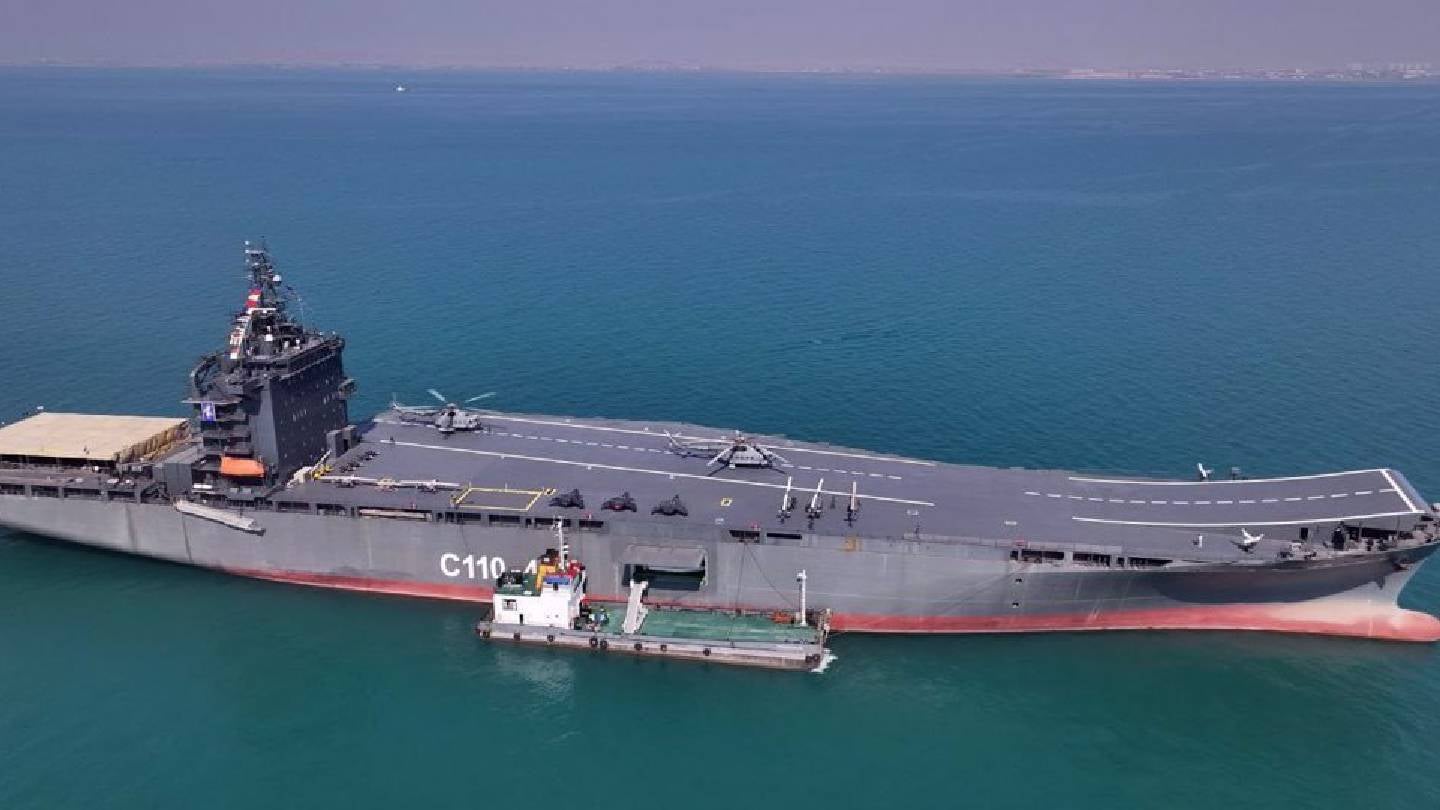
US Strikes Iranian Drone Carrier; Denies Damage to Own Vessel
The US military's attack on Iran's Shahid Bagheri escalates tensions further. The incident raises strategic risks in a volatile region already fraught with conflict.
The US Central Command has confirmed an airstrike targeting the Iranian drone carrier Shahid Bagheri, marking a significant escalation in ongoing hostilities between the two nations. This operation represents a crucial moment in the escalating proxy conflicts in the Middle East as both sides test military capabilities and resolve in a volatile environment.
Tensions between the US and Iran have been escalating since the US withdrew from the Iran nuclear deal in 2018 and re-imposed sanctions aimed at crippling the Iranian economy. The US has accused Iran of orchestrating destabilizing activities across the region, including drone attacks targeting shipping in the Persian Gulf. This latest development follows several confrontations in which Iranian drone technology has been a focal point for military strategy and response.
The significance of this engagement lies not just in its immediate tactical implications but also in the broader strategic calculus for regional powers. The targeting of the Shahid Bagheri emphasizes the US's commitment to countering Iranian influence and technology, especially as Tehran continues to develop its drone warfare capacity. This incident could provoke further Iranian military responses, creating a cycle of escalation that destabilizes the entire region.
Key actors in this escalating crisis include the US, which seeks to reaffirm its military presence in the Middle East, and Iran, which is intent on showcasing its drone technology as a deterrent against potential aggressors. The Iranian regime may interpret this strike as an affront, pushing them closer to a retaliatory stance that could involve asymmetric warfare tactics and heightened maritime threats against US assets in the region.
The Shahid Bagheri is known to support Iran's naval operations and drone deployments, including surveillance and potential strike missions. Understanding the capabilities of this drone carrier is essential, as it likely houses various UAV models capable of extended ranges and significant payloads. The financial implications of these operations are enormous, with the potential for escalating military expenditures impacting both nations' defense budgets.
The consequences of this strike may play out in various escalation vectors, including Iran's potential retaliation targeting US forces or allies in the region. The risk of miscalculation is high, particularly as both countries have nuclear capabilities in their arsenals. This tense military engagement could also invite other regional players into a potentially larger conflict framework.
Historically, military strikes such as this one have often spiraled into broader conflicts, reminiscent of the clashes in the Gulf during the 1980s or the more recent Syrian civil war, where misinterpretations and miscalculations led to extensive military engagements. The precedents suggest an urgent need for diplomatic channels to emphasize de-escalation strategies before any further military conflict emerges.
Moving forward, the best indicators to monitor include naval deployments in the Persian Gulf, Iran's responses through asymmetric proxy forces, and potential diplomatic engagements that could be initiated or disrupted further following this strike. Defense analysts will closely assess both nations' military postures, assessing readiness levels and deployment patterns to forecast future actions elsewhere in the region.