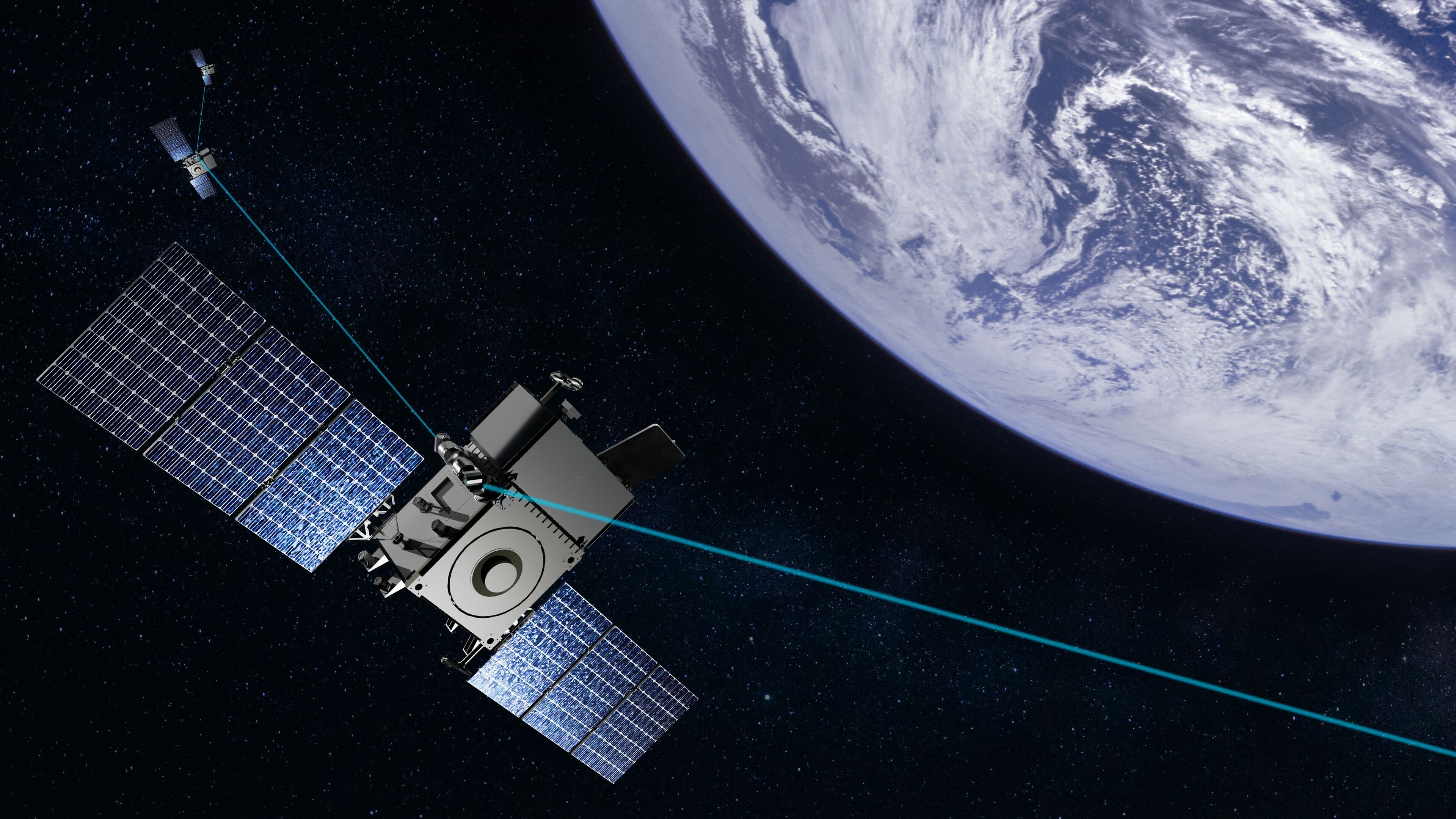
US Space Force Advances Missile Warning System Amid Global Security Concerns
The U.S. Space Force's recent design milestone for its missile-warning constellation heightens the stakes in international space defense dynamics. As competitors ramp up their own capabilities, this development underscores a growing arms race in outer space.
The U.S. Space Force has made significant strides in advancing its missile warning capabilities with the successful completion of a critical design milestone for its missile-warning constellation, known as System Delta 84. This achievement comes just nine months after the contract was awarded to BAE Systems Space and Mission Systems, highlighting the urgency in enhancing U.S. space defense systems.
Historically, missile warning systems have played a pivotal role in national security by providing early detection of potential ballistic missile threats. The U.S. has invested heavily in space capabilities since the Cold War, adapting to technological advances and the evolving threat landscape. As adversarial nations enhance their own missile capabilities, the pressure on the U.S. to maintain a technological edge in space has increased significantly.
The significance of this milestone extends beyond mere technological advancement; it reflects the intensifying global contest for dominance in space. Other major powers, particularly China and Russia, have been rapidly developing their own military space capabilities, which could challenge U.S. interests and allies. This situation exposes strategic vulnerabilities that could lead to escalated tensions and potentially conflict in the under-explored domain of outer space.
Key players in this evolving theater include the U.S., which aims to solidify its leadership position in military space operations, as well as China and Russia, whose military doctrines increasingly emphasize anti-satellite operations and space-based weaponry. Their respective motivations vary from protecting national sovereignty to projecting power and capability in the global arena.
From a technical perspective, the specifics of System Delta 84 remain classified, but it is designed to integrate various sensors and data streams to provide comprehensive and timely missile launch warnings. The U.S. budget for missile defense, under which these developments are funded, currently exceeds $20 billion annually, reflecting an unwavering commitment to counteract potential threats emerging from adversarial missile technologies.
The potential consequences of this advancement are profound. As the U.S. fortifies its missile warning capabilities, adversaries may accelerate their own programs, leading to an arms race that extends into space. Increased military operations in this domain could raise the risk of incidents or misunderstandings, pushing tensions between nations to new heights.
Looking to the past, the Cold War serves as a pertinent analogy. Similar projects during that period, such as the U.S. Navy's early warning radar networks and the development of missile defense systems, laid the groundwork for a series of technological escalations. History suggests that developments in missile warning systems often provoke countermeasures from adversaries, creating a cyclical pattern of escalation.
In assessing the future, observers should monitor signals indicative of a shifting landscape in military space operations. Key indicators will include the unveiling of competing missile warning systems by adversaries, escalating threats in cyber and anti-satellite capabilities, and shifts in military doctrines reflecting a prioritization of space warfare as an operational reality. Increased international collaboration among allies in space defense will also be critical to counterbalance potential threats from adversarial powers.