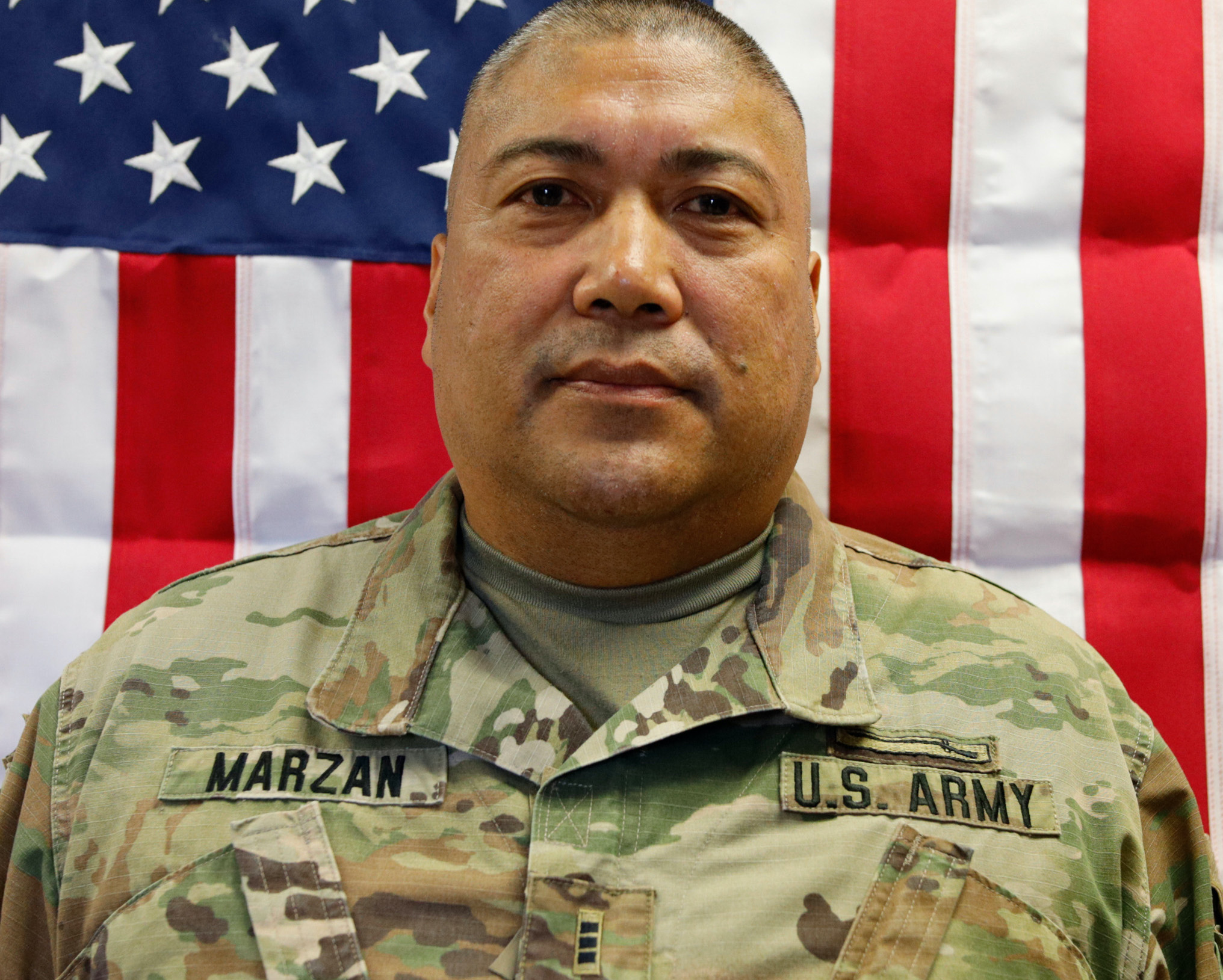
US Soldier Killed in Kuwait Identified, Raising Regional Tensions
The identification of the US soldier killed in Kuwait underscores escalating risks for US forces in the region. This incident highlights the ongoing volatility and potential for further conflict in a strategically critical area.
The Pentagon has confirmed the identity of a US soldier killed in Kuwait, following prior announcements without definitive confirmation from medical examiners. The soldier's death raises urgent questions regarding the safety of American personnel stationed in a region marked by geopolitical instability and rising hostilities toward US military presence.
The situation in Kuwait is particularly perilous following decades of complex relationships among regional powers. US military involvement in the Gulf, especially post-Iraq War, has sustained significant tensions, and incidents like this appear to invite both increased scrutiny and a deteriorating security environment for foreign troops.
This incident is strategically significant, as it reflects broader vulnerabilities facing US forces in a region riddled with hostile actors. With the ongoing threat from Iranian-backed militias and the resurgence of terrorist organizations, the repercussions from the soldier's death could incite retaliation or provoke further skirmishes, destabilizing the already fragile state of affairs.
Key players include the US military, which aims to maintain a presence despite growing public and political pressure to withdraw, and regional powers like Iran, which are eager to exploit any weakness in US deployments. The motivations behind US forces remaining in Kuwait involve strategic deterrence against Iranian aggression and ensuring the stability of oil supply routes, vital to the global economy.
Operationally, the US maintains approximately 13,000 troops in Kuwait, acting as a forward base to address potential threats in the region. The Pentagon has invested billions into military readiness and modernization in the Middle East, demonstrating a commitment to safeguarding long-term interests despite heightened risks to personnel.
The immediate consequences of this confirmation could accelerate US military engagement or lead to enhanced protective measures, including increased surveillance and potential troop reinforcements. Such actions could provoke a cycle of hostility, inviting further attacks on US installations or personnel.
Historically, the Gulf region has seen similar patterns where the death of foreign troops escalated tensions, previously evident during the Iraq and Afghanistan wars, leading to direct retaliatory strikes and broader military orders. The recognition of casualty in this context often incites both domestic political discourse and international reactions from opposing factions.
In the near term, intelligence professionals should monitor potential escalation vectors, particularly any Iranian-backed militia movements or public reaction in Kuwait. The incident may also serve as a catalyst for Pentagon assessments regarding the future of US military strategy in the region, specifically addressing risks to troops stationed far from home during a time of heightened geopolitical competition.