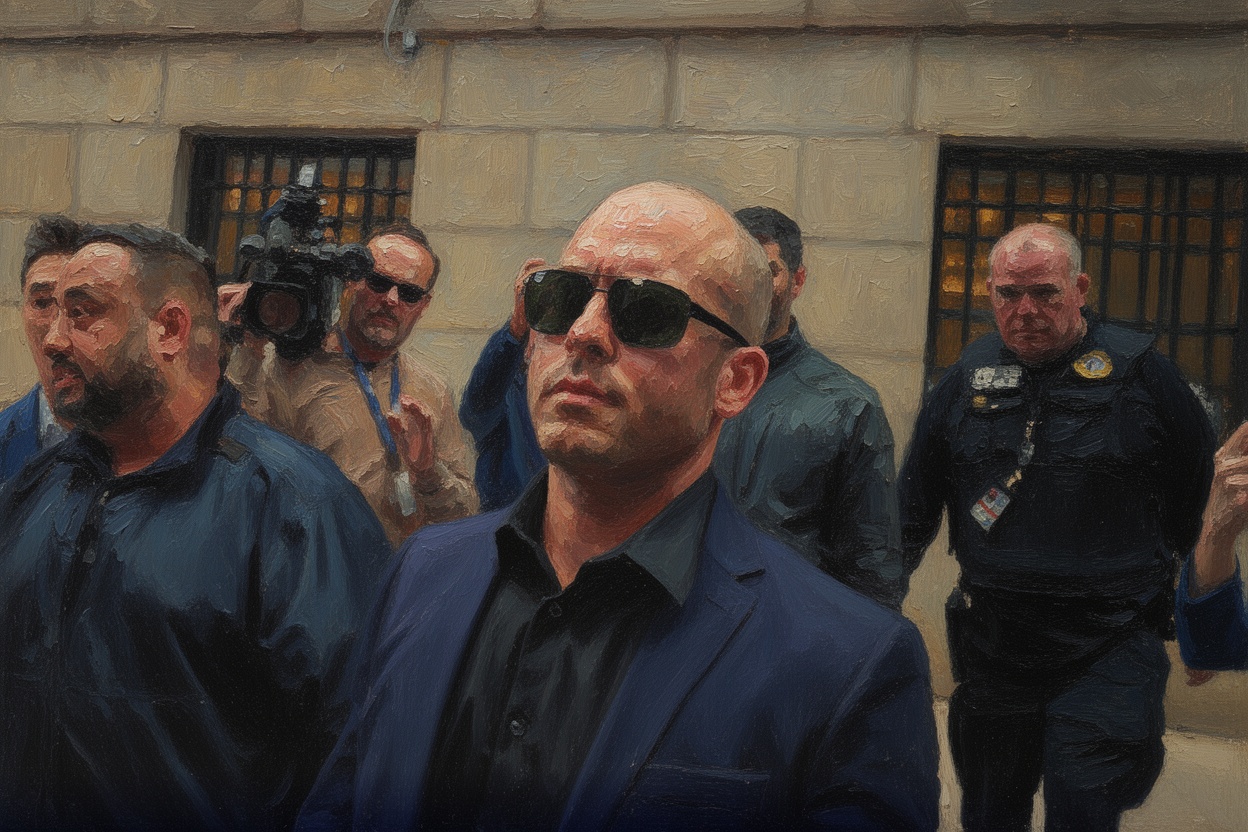
US Soldier Denies Charges of Conspiring Against Maduro's Regime
A US Army Special Forces sergeant faces serious allegations regarding involvement in a coup attempt against Venezuelan President Nicolás Maduro, claiming he participated in planning and execution.
A U.S. Army Special Forces master sergeant has pleaded not guilty to charges related to a conspiracy involving the ousting of Venezuelan President Nicolás Maduro. Prosecutors allege that the sergeant was significantly involved in both the planning and execution of a raid aimed at capturing Maduro, an act that could have drawn the U.S. into a direct confrontation with the Venezuelan government.
The backdrop of this case lies in the ongoing turmoil and political strife that has enveloped Venezuela for years, marked by accusations of brutality and authoritarianism under Maduro's leadership. The U.S. has been openly critical of Maduro, supporting opposition movements within the country and introducing sanctions aimed at crippling his government. This context increases the stakes of the soldier's alleged actions, potentially implicating broader U.S. military interests in Latin America.
Strategically, the case raises several critical implications for U.S. foreign policy in Venezuela and the region. If the soldier's involvement is proven, it could signify a more substantial operational commitment by U.S. forces in Latin American politics, especially in nations where the government's actions conflict with U.S. interests. Moreover, this situation could strain relations with other regional players who oppose U.S. intervention.
Operationally, the details of the raid are still unfolding, but it suggests a level of planning and execution that exceeds typical private citizen actions against foreign governments. The revelation of U.S. military personnel engaging in such activities could provoke stronger responses from nations like Venezuela, potentially escalating tensions in an already volatile region.
With the soldier's trial approaching, the likely consequences extend beyond the individual accused. This case could set a significant precedent regarding military involvement in foreign political uprisings, directly influencing how the U.S. engages with authoritarian regimes moving forward, and raising questions about the legality and ethics of such military actions abroad.