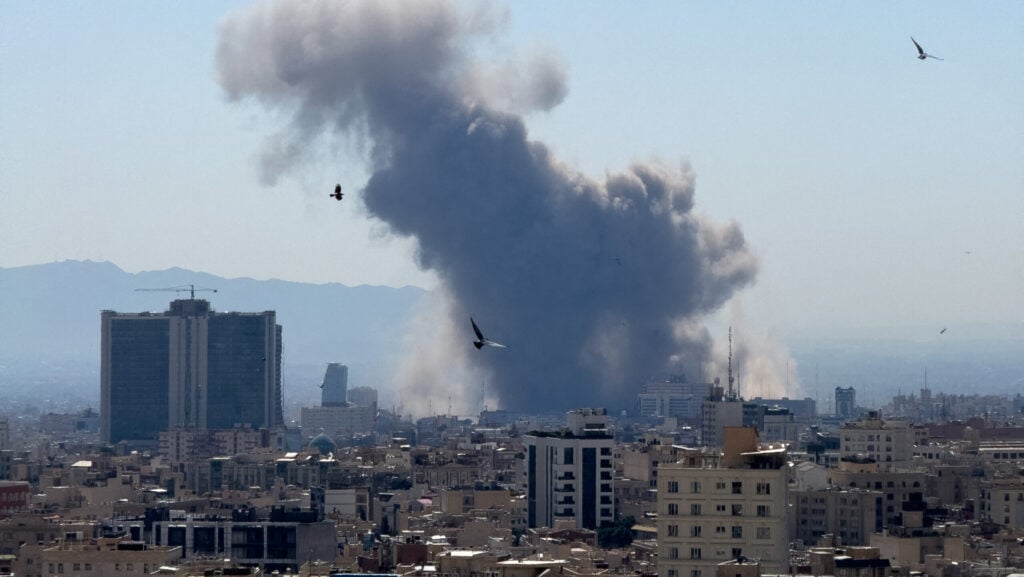
US Senate Defies Oversight, Blocks Resolution to Halt Strikes Against Iran
The US Senate's decision to block a war powers resolution undermines congressional oversight and risks escalating military involvement in Iran. This maneuver heightens tensions in a volatile region, allowing for unchecked military action.
The US Senate has rejected a critical war powers resolution aimed at halting future military strikes against Iran, reflecting a significant congressional failure to restrain executive military authority. By a narrow margin, the Senate voted against the resolution, which would have mandated congressional approval for any new strikes in Iran. The impending vote in the House of Representatives on March 5 further complicates the legislative landscape, as Republicans maintain a slim majority and are likely to align with Senate sentiments.
The root of this crisis lies in the increasing military tensions between the US and Iran, which have escalated since the targeted assassination of Iranian General Qasem Soleimani in January 2020. The subsequent years have witnessed a series of skirmishes, proxy conflicts, and direct military threats, generating a backdrop of hostility that has made this legislative decision highly contentious. The lack of congressional input into military engagements has raised alarms among defense policy critics who fear an unchecked expansion of warfare without adequate democratic oversight.
This political maneuver has substantial strategic implications. By blocking the resolution, the Senate has exposed vulnerabilities in US foreign policy that may embolden Iran, potentially leading to more aggressive actions in the region. Additionally, it signals to US adversaries that congressional oversight on military action is weakening, raising the stakes for conflict in an already unstable Middle East. Such a shift could lead to a significant power imbalance and provoke hostile reactions not just from Iran, but also from its regional allies and proxies.
Key actors in this situation are the Senators who voted against the resolution, motivated by a desire to maintain a strong military posture against perceived threats from Iran. Many of these lawmakers view the ability to execute military strikes as essential for national security, despite the growing calls for accountability from their constituents. The factional divide within US politics highlights a broader issue: the ongoing struggle between war powers and legislative authority.
From a military perspective, any future strikes against Iranian targets will likely involve advanced capabilities such as the F-35 stealth fighters and long-range bombers, which have been deployed in the region. The operational readiness and force concentrations near the Persian Gulf indicate a heightened state of alert, suggesting that any military engagement could result in escalated conflict. Stabilizing the region requires diplomatic measures which are increasingly becoming sidelined.
The consequences of allowing continued military strikes without congressional approval could be severe, including civilian casualties and a cycle of retaliation that can spiral into a larger conflict. Moreover, Iran's responses could range from limited engagements against US assets to broader retaliatory strikes against allied nations in the region. This escalation could destabilize energy supplies and inject further uncertainty into international markets.
Historically, legislative attempts to restrain military action have met with mixed success. The War Powers Act of 1973 aimed to rein in executive overreach but has often been undermined by political expediency and national security posturing. Past precedents illustrate how similar crises have led to extended military involvements, often disregarded by subsequent administrations.
Looking ahead, observers should monitor the outcomes of the upcoming House vote and the potential for continued executive military action against Iran. Intelligence indicators will include military deployments, troop movements, and any signs of Iranian military responses. The evolving geopolitical landscape will likely hinge on both domestic US political dynamics and broader regional responses from Iranian allies and adversaries alike.