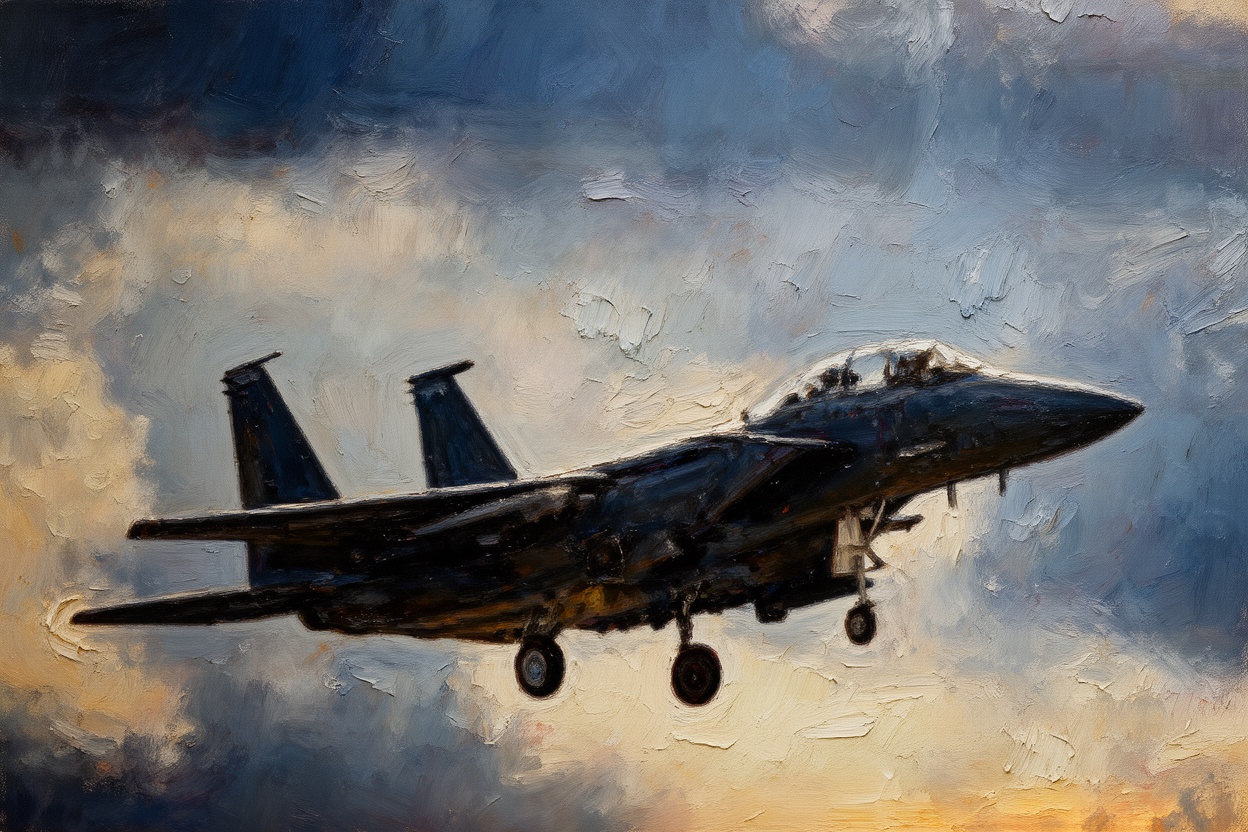
US Search for Missing Airman Risks Iran Capturing Weapon Officer
The US faces a critical crisis as its weapons system officer from a downed F-15 Eagle may be in Iranian custody. This elevates regional security tensions and risks a hostile propaganda victory for Tehran.
The US military is engaged in a high-stakes operation to locate the missing weapons system officer from an F-15 Eagle shot down near Iranian airspace. The potential capture of this crew member by Iran represents a severe escalation with broad geopolitical consequences. The search operation is testing US intelligence and rescue capabilities under intense pressure.
The F-15 Eagle was downed in a contested area amid rising tensions between Washington and Tehran. Previous incidents have shown Iran’s readiness to exploit downed aircrew for leverage, signaling a dangerous precedent. The missing weapons officer’s status is central to understanding Iran’s immediate strategic intent.
Strategically, the potential capture could fuel Iran’s propaganda efforts and provide Tehran with a bargaining chip in diplomatic or military confrontations. It also amplifies the risk of escalation in the Persian Gulf region, complicating US and allied operations. This crisis underscores the fragile balance in the Iranian theater after recent hostile interactions.
Technically, the F-15 Eagle is equipped with advanced radar and missile systems pivotal in US air superiority doctrine. The weapons system officer manages these critical components, making his potential capture a significant tactical loss beyond the personal danger involved. The US Air Force deploys dedicated combat search and rescue units specialized in hostile environments to retrieve personnel.
Looking ahead, failure to recover the officer could embolden Iran and heighten regional instability. Successful recovery would reaffirm US commitment to protecting personnel and deter further Iranian provocations. The outcome will influence US strategic posture and may trigger recalibrations in military presence and diplomatic engagements in the Middle East.