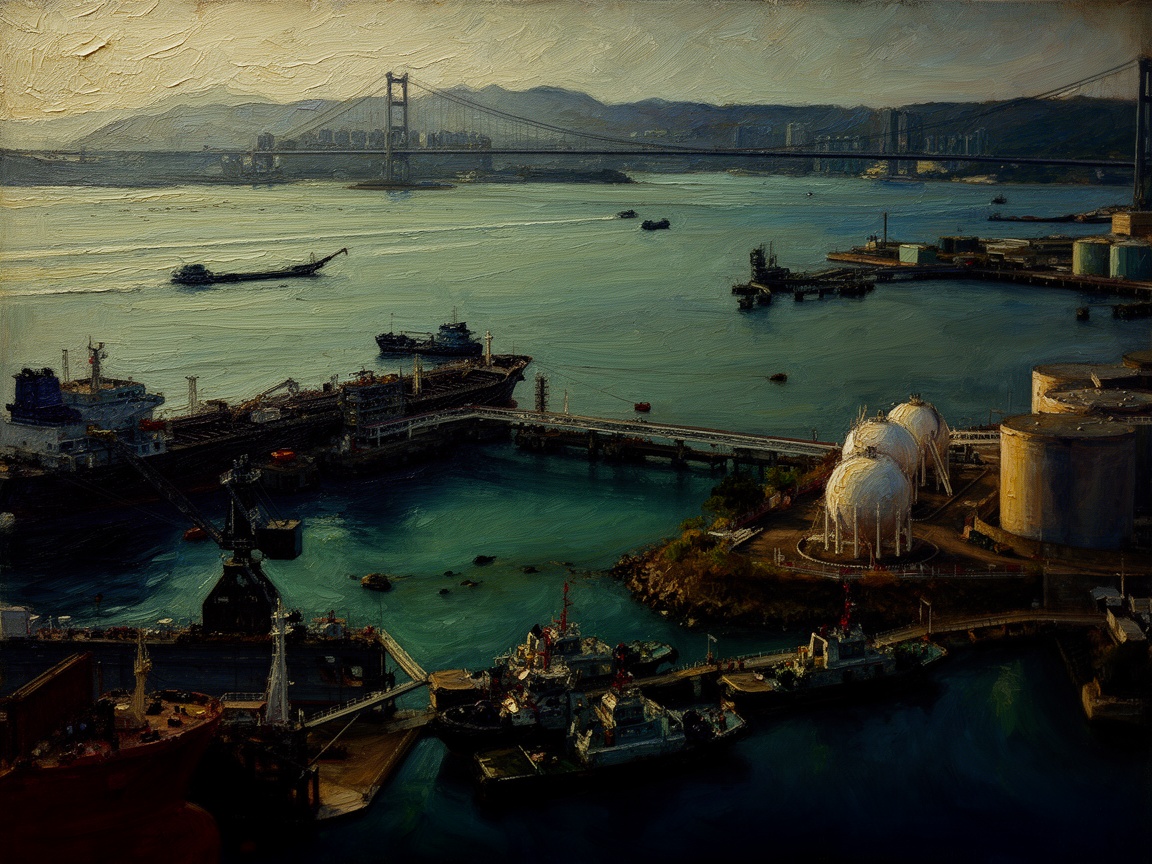
US sanctions China’s 'teapot' refinery for buying Iranian oil
The United States imposes sanctions on Hengli refinery for transactions tied to Iranian oil, alleging the firm has generated hundreds of millions of dollars for Iran’s military. The move underscores Washington’s enduring effort to clamp down on Tehran’s revenue streams. Beijing faces pressure over its energy ties with Tehran as regional security dynamics remain volatile.
The core development is blunt: the United States has sanctioned Hengli refinery, labeling it a conduit for Iranian oil purchases that allegedly enriched Iran’s military. The action targets the refinery and related entities, aiming to disrupt financial flows linked to Tehran’s defense capabilities. Treasury officials argue that Hengli’s activities translated into hundreds of millions of dollars flowing toward Iran’s security apparatus, intensifying U.S. pressure on Beijing’s energy partnerships with Tehran.
Hengli is a major Chinese refining player, operating at scale within a tightly integrated oil and petrochemical sector. Iran has long sought to diversify oil buyers to sustain its economy and defense programs, even as sanctions regimes limit conventional revenue channels. The United States has previously targeted other firms and brokers involved in similar oil-for-financing arrangements, signaling a broader campaign to isolate Tehran’s oil revenue. The sanctions reflect a policy strand that treats energy flows as a lever of geopolitical leverage, particularly in complex triads involving China, Iran, and the wider Gulf region.
Strategically, the move signals Washington’s intent to tighten the screws on state-level patrons and their industrial supply chains. By constraining a Chinese refinery’s access to dollar-based finance and international markets, the episode heightens friction in Sino-Iranian energy diplomacy and broader China’s energy security calculus. Tehran’s defense budgets and illicit procurement programs could feel additional pressure if funding channels shrink further. The episode also tests Beijing’s tolerance for external scrutiny of its oil-trade practices in a highly sensitive region.
Technical and operational details remain scarce in the public briefings, but the designation typically freezes assets, bans U.S. persons from transactions with the named entities, and restricts access to financial systems for involved parties. The action singles out Hengli and associated entities, signaling a targeted approach rather than an indiscriminate broadening of sanctions. Analysts will monitor whether the crackdown disrupts any Xinjiang-to-Gulf supply links or prompts compensatory import shifts from other suppliers. Expect a short-term jitter in refined product markets if Chinese import volumes adjust in response to risk exposure.
Likely consequences include tighter financial risk for similar Chinese refiners, potential reshaping of Iran’s oil revenue streams, and renewed diplomatic friction between Washington and Beijing over sanction enforcement. In the near term, Tehran may accelerate alternative revenue channels or deepen non-dollar trade arrangements to cushion the impact. Beijing could respond with formal complaints or seek waivers and loopholes, while maintaining cautious restraint to avoid broader energy-security escalations. Over the medium term, the incident could catalyze renewed scrutiny of China’s oil-finance networks and influence how other foreign buyers structure Iran-linked deals, all within a fraught environment for regional stability.