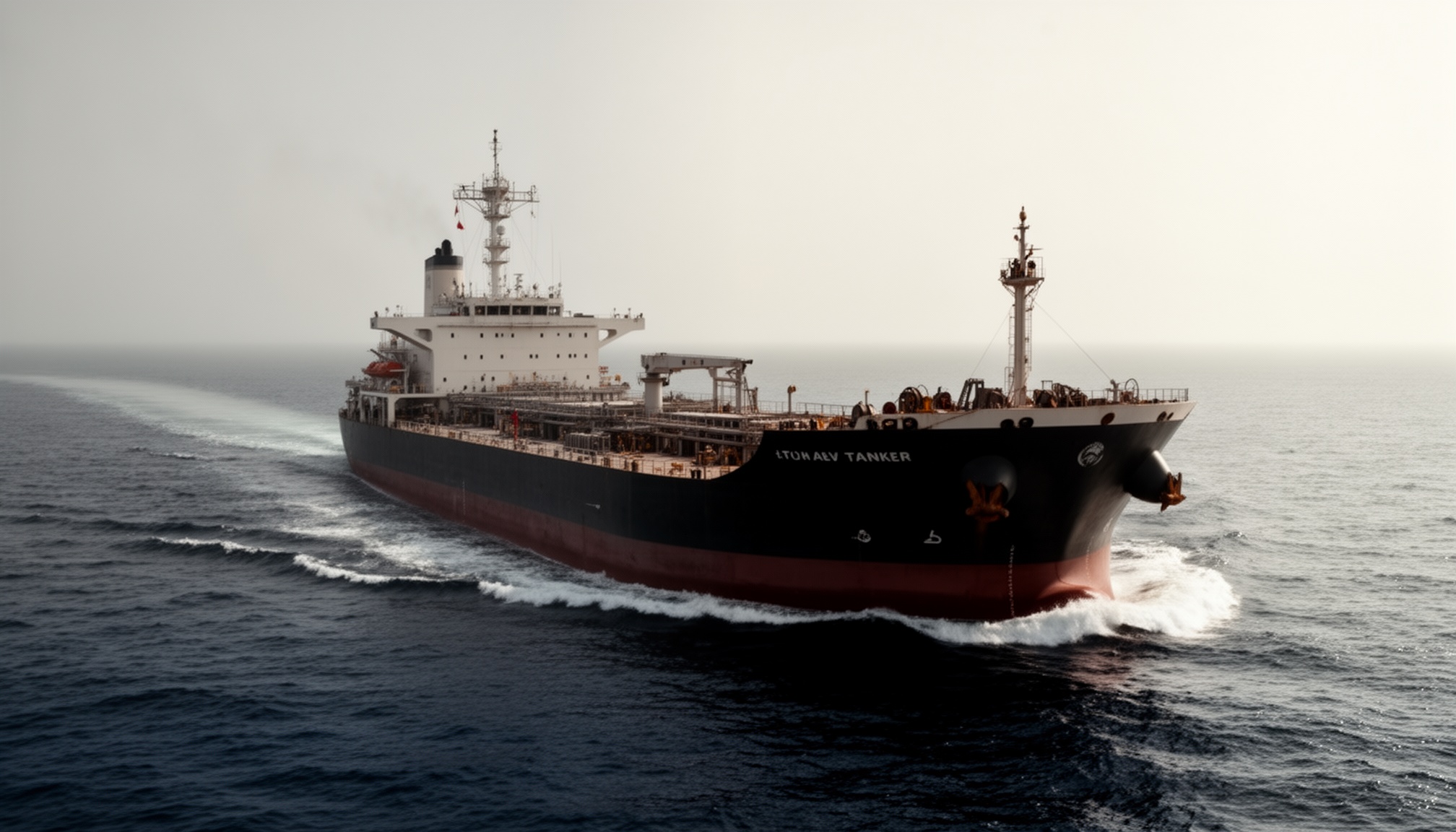
US-sanctioned Chinese tanker returns to Hormuz hours after transit
A Chinese-flagged tanker sanctioned by the United States completes a transit through the Strait of Hormuz and returns to the region within hours. The incident underscores the leverage of US sanctions on Iran-linked trade and the fragility of maritime liberty in the Gulf.
The Chinese-flagged tanker sanctioned by the United States has re-entered the Gulf and redirected toward Hormuz after a brief transit through the Strait of Hormuz. The vessel, previously flagged by Washington for supporting Iran's maritime network, completed a path that triggered heightened naval scrutiny from coalition presence in the Gulf. Observers note the timing suggests a deliberate demonstration of compliance or protest through routing, rather than detour alone. The U.S. sanctions regime continues to shape commercial choices for non-OPEC traders navigating the region's chokepoints.
The gesture comes amid broader tensions over energy security and sanctions enforcement, with maritime traffic in Hormuz periodically disrupted by geopolitics, not merely economics. Analysts frame the maneuver as a pressure point in the ongoing contest between Washington and Tehran over sanctions effectiveness and access to global markets. While the vessel's exact cargo remains undisclosed, the episode signals that sanction-driven risk assessments remain a decisive factor for shipping planning in the Persian Gulf. Security observers warn that similar transit patterns could invite increased aerial and maritime patrols in the coming weeks.
Strategic significance rests on the power to constrain Tehran-linked commerce without triggering a large-scale confrontation. The episode tests the resilience of escort diplomacy in a crowded sea lane and the willingness of regional partners to tolerate sanctions-enforced risk. If sanctioned traffic persists or expands, expect greater coordination among navies to deter evasion and to preserve freedom of navigation for civilian shipping. The near-term outlook points to continued deterrence calculus rather than open war, with economic leverage remaining the principal instrument in play.
Operationally, the tanker's movements indicate readiness to adapt routing to sanctions signals. Analysts will scrutinize AIS traces, port calls, and transshipment patterns to infer whether the vessel carried refined petroleum products, condensates, or other sanctioned commodities. Budgetary and procurement signals from relevant fleets could reveal intensified counter-smuggling efforts or new layered sanctions. The likely consequence is tighter shipping corridors, elevated insurance costs, and a cautious rerouting of similar vessels through the Gulf in the weeks ahead.