US Refueling Aircraft Crashes in Iraq, Crisis Unfolding
The crash of a US refueling aircraft in Iraq raises serious concerns about operational security and regional stability. Rescue efforts are ongoing, but the incident underscores the vulnerability of US assets in hostile environments.
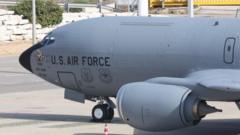
A US Air Force KC-135 Stratotanker refueling aircraft crashed in western Iraq, marking a significant operational crisis with unknown casualties. The incident occurred during routine refueling operations, prompting immediate rescue efforts by both US and Iraqi forces currently deployed in the area. The specific cause of the crash remains under investigation, but it has already raised alarms regarding the safety of US aerial operations in a volatile region.
The tension in Iraq has been escalating since the resurgence of various militant groups and anti-US sentiment. This crash can be traced back to long-standing regional conflicts that have risked the lives of personnel within US and allied forces. Following the withdrawal of combat troops in 2011, the US has maintained a military presence primarily focused on countering the influence of Iran-aligned militias that increasingly target foreign entities in the area.
The significance of this incident extends beyond immediate rescue efforts. Every US asset lost in the Middle East can embolden adversaries and deteriorate the perception of US military prowess. The geopolitical implications are severe; with Iran's shadow looming large over Iraq, an unstable operational environment may lead to further complications in US military strategy in the region.
Key actors involved include the US Central Command and various Iraqi military units. The US, while focused on continuing its operations against ISIS remnants and Iranian proxies, must contend with an increasingly hostile landscape. Iraqi security forces may also see this as an opportunity to assert their capabilities, though their effectiveness remains under question in the aftermath of the US military's geographical withdrawal.
From a technical perspective, the KC-135 Stratotanker is a vital aerial refueling asset, capable of carrying approximately 200,000 pounds of fuel. The loss of such an aircraft not only puts lives at risk but also significantly reduces the US's operational flexibility and reach in a region already beset with threats. Operations scheduled for the next few days may now be jeopardized, as recovery efforts demand resources and attention.
The potential consequences could escalate tensions between the US, Iraq, and Iranian-affiliated groups. This incident might be leveraged by extremist factions to galvanize anti-US actions or propaganda. The complication also arises from a potential spike in targeted attacks on remaining US assets in Iraq as adversaries perceive a moment of vulnerability.
Historically, similar incidents have led to escalated military responses in the Middle East. The 1983 Marine barracks bombing in Beirut and various downed aircrafts over the years have not only led to heavy casualties but also to wider hostilities. Each loss serves as a painful reminder of the precarious balance of power and the risks associated with heavy foreign military presence in the region.
Going forward, intelligence agencies should closely monitor the recovery operations and the responses from Iranian proxies in Iraq. Key indicators include increased anti-US rhetoric from local groups, potential retaliatory attacks, and changes in US military operations in the immediate aftermath of the crash. Observers need to remain vigilant about the strategic implications arising from this operational crisis.