US Reconnaissance Flights in South China Sea Plummet 30%
A 30% reduction in US reconnaissance flights over the South China Sea reveals a dangerous strategic shift towards the Middle East. This decline undermines US maritime presence and might embolden Chinese assertiveness in the region.
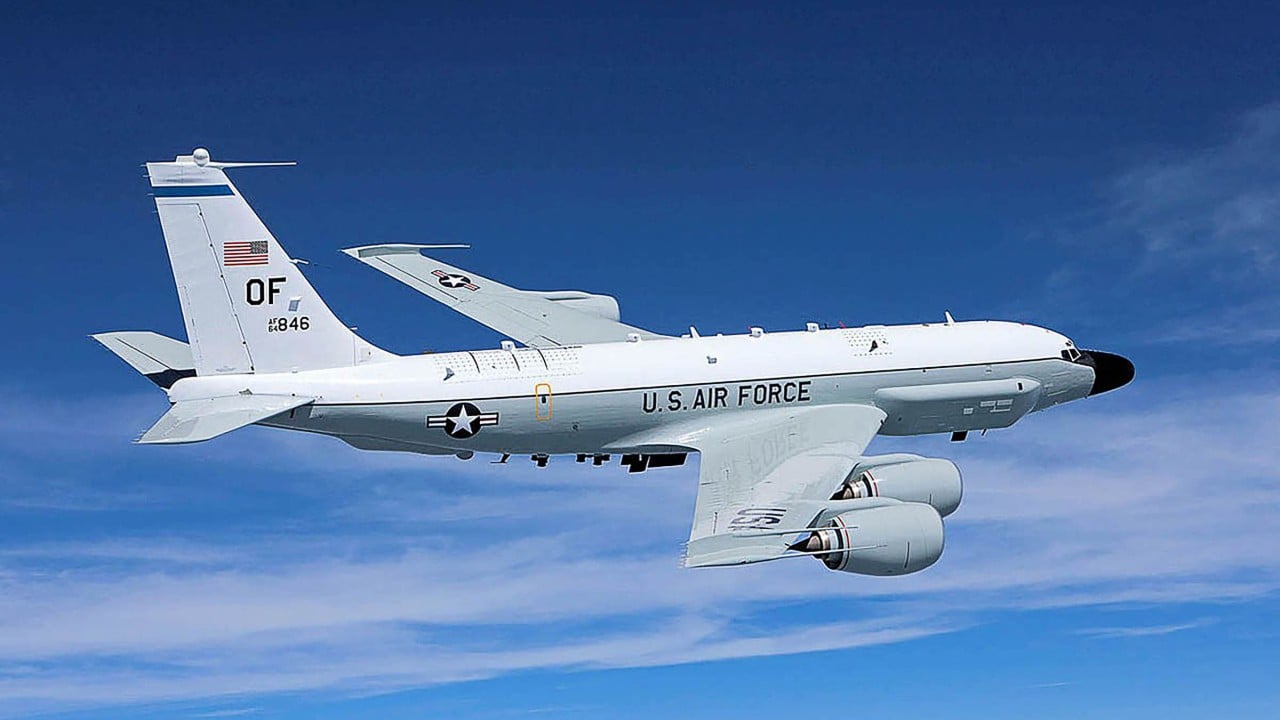
US land-based reconnaissance aircraft sorties over the South China Sea decreased by 30% from January to February 2024, as only 72 operations were reported compared to 102 the previous month. This sharp decline highlights a significant strategic pivot by the United States, reallocating military focus and resources towards escalated tensions in the Middle East. The reduction raises concerns over the U.S. commitment to countering Chinese maritime ambitions in a region increasingly characterized by assertive military posturing from Beijing.
The pivot towards the Middle East has been largely driven by ongoing conflicts that demand U.S. military oversight. Historically, U.S. reconnaissance missions in the South China Sea played a critical role in monitoring Chinese military activities and safeguarding freedom of navigation against increasingly aggressive territorial claims. The South China Sea is critical to global trade; approximately 30% of the world’s shipping traffic transits through its waters annually, making it a significant point of contention between the U.S. and China.
This reduction in U.S. aerial activity could expose vulnerabilities in Asian maritime security frameworks, potentially emboldening China to escalate its operations. The diminished U.S. presence may undermine the deterrent effect previously exerted on Chinese military maneuvers, especially during a period when maritime disputes are already fraught with tensions, such as frequent confrontations between Chinese naval forces and Taiwanese vessels.
Key players in this scenario include the United States, China, and regional Southeast Asian nations. The U.S. shift is ostensibly an attempt to concentrate on pressing conflicts in the Middle East, yet this strategy risks deepening insecurity in a volatile Asia-Pacific region. China, on the other hand, is likely to leverage this opportunity to consolidate its territorial claims and enhance its naval capabilities, viewing the decrease in U.S. flights as a chance to further its military and political objectives.
The operational context reveals that the U.S. typically uses advanced aircraft like the P-8 Poseidon for reconnaissance missions, equipped for anti-submarine warfare and intelligence-gathering. The reduced sorties can be interpreted not just as a reallocation of assets, but also as an operation tempo that indicates an overextended military capability in the face of global commitments. Allocating more forces toward Middle Eastern conflicts may leave critical gaps in the Asia-Pacific theater, where the U.S. has established strategic alliances.
This withdrawal of U.S. maritime surveillance is likely to have immediate and longer-term consequences, raising the potential for a military miscalculation or escalation by China. An increase in assertive Chinese maneuvers, including possible aggressive actions in the Spratly and Paracel Islands, could occur as U.S. surveillance capabilities diminish, leading to heightened risks of confrontations.
Historically, when the U.S. has shifted its military focus, it has often precipitated heightened regional apprehensions, seen vividly during the 2011 pivot to Asia under the Obama administration. Each time the U.S. reduces its presence or attention elsewhere, it stirs rival nations to test boundaries, as evidenced by the Cold War's strategic postures in Europe and Asia.
Looking forward, intelligence analysts should monitor the status of U.S. military assets in the Asia-Pacific region closely. Key indicators include future reductions in aircraft deployments, changes in Chinese naval operations, and the reactions of regional allies. China's maritime maneuvers will be critical to assess, particularly if the U.S. continues to fall short in its reconnaissance capabilities.