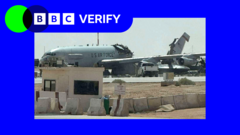
US Radar Jet Heavily Damaged at Saudi Base Exposed
A US Air Force radar aircraft sustained severe damage at a Saudi Arabian base, raising regional security concerns amid escalating Gulf tensions. The incident highlights vulnerabilities in forward-deployed US assets near Iran and proxy forces. Central Command remains silent, fuelling speculation about the cause.
A US Air Force E-3 Sentry AWACS, a crucial airborne early-warning radar platform, suffered heavy damage at an airbase in Saudi Arabia. The photos revealing the battered aircraft emerged days after the incident but US Central Command has offered no official statement. The damage level suggests a serious attack or accident, but details remain scarce.
The E-3 Sentry plays a vital role in monitoring airspace and coordinating allied operations in the volatile Gulf region, where Iranian-backed militias and proxy groups frequently challenge US and Saudi presence. This base is a key staging point for American surveillance and command missions over Yemen, Iraq, and Iran’s periphery.
Strategically, the damage to such an advanced radar asset undermines US situational awareness and command-and-control capabilities. It raises the risk of gaps in intelligence and early warning against missile or drone threats from hostile regional actors. The incident reflects rising tensions and increasing risks of confrontation in the Arabian Peninsula’s contested airspace.
The E-3 Sentry aircraft is equipped with a 360-degree radar dome capable of detecting aerial targets hundreds of kilometers away. Typically manned by a crew of 17, the platform is a force multiplier for coalition air operations. The extent of the damage and repairs needed could sideline the aircraft for months, impacting regional surveillance capacity.
Without official explanation, analysts warn this attack—if confirmed—signals a bold escalation targeting critical US assets in the Gulf. It may come amid ongoing proxy clashes and attempts by Tehran or its allies to erode US operational freedom in the region. Future strikes on similar platforms could trigger broader confrontations or force redeployment decisions.