US Nuclear Chief Nominee Rejects Warhead Testing Order
The US nominee to lead strategic nuclear forces rejects President Trump's October directive to resume nuclear warhead tests, signaling potential policy friction within Washington. This stance challenges a major escalation in US nuclear posture and could influence global nuclear arms dynamics.
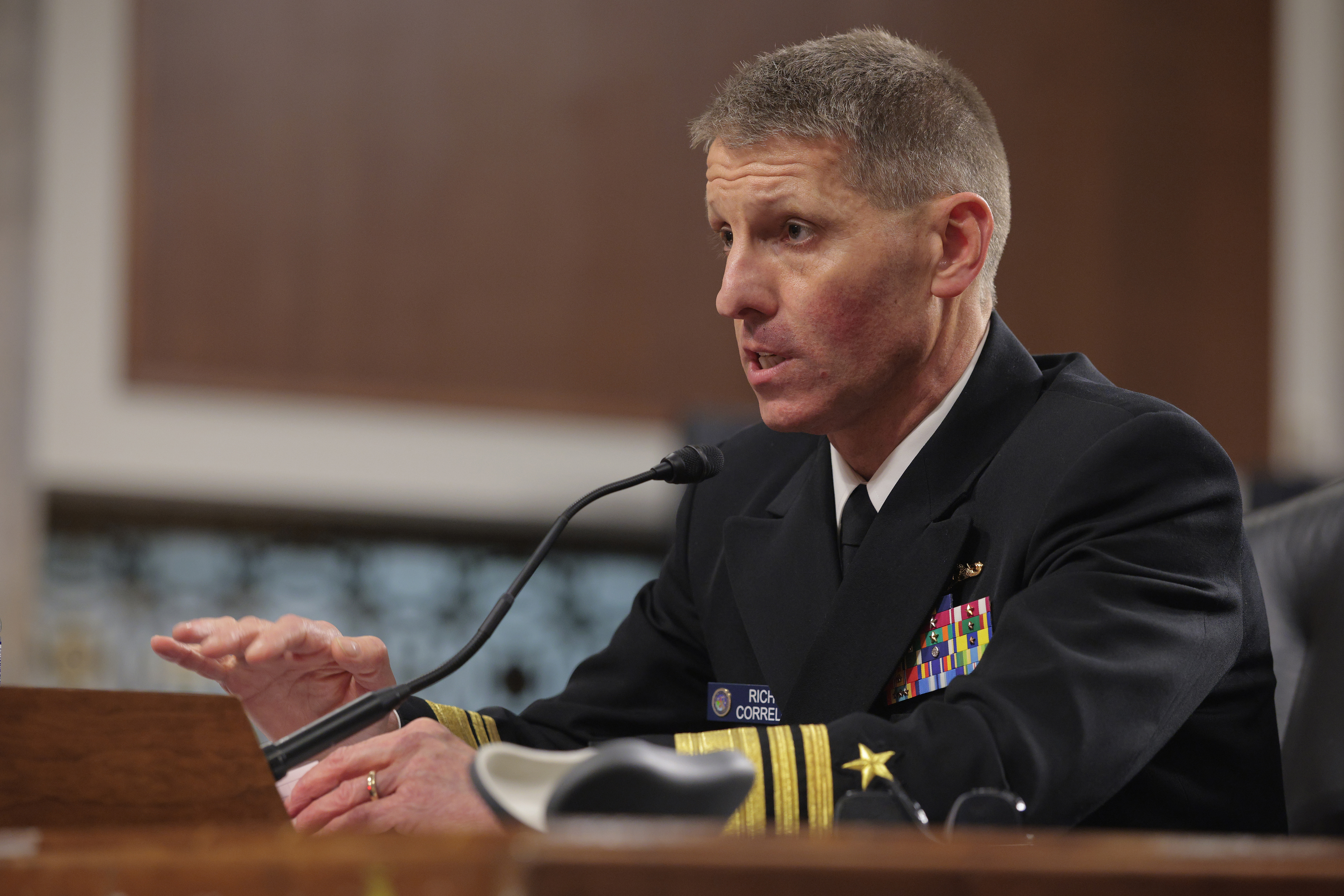
The top nominee to command the United States Strategic Command, responsible for the nation’s nuclear arsenal, has stated there is no need to conduct nuclear warhead testing despite President Trump’s directive from October ordering the resumption of such tests.
The October announcement by President Trump marked a sharp shift in US nuclear policy, reflecting growing tensions with adversaries like Russia and China and concerns over the modernization of America’s aging nuclear stockpile. Testing nuclear warheads would have represented a significant rollback of longstanding US test moratoriums.
Strategically, rejecting the testing directive suggests a split within US defense leadership about nuclear escalation. The stance avoids provoking a potential new arms race abroad but also raises questions about US commitment to maintaining credible deterrence through advanced nuclear capabilities.
Operationally, the US nuclear force modernization program is estimated to cost over $1.2 trillion through 2070, focusing on missile delivery systems and warhead upgrades under strict test restrictions. Resuming tests risks international condemnation and could trigger reciprocal actions from Russia and China.
Going forward, this conflict over nuclear testing policy could define the future trajectory of US nuclear posture. A refusal to test may calm global strategic tensions, but dissent inside US command hints at deeper debates on how to balance deterrence, arms control, and geopolitical rivalry.