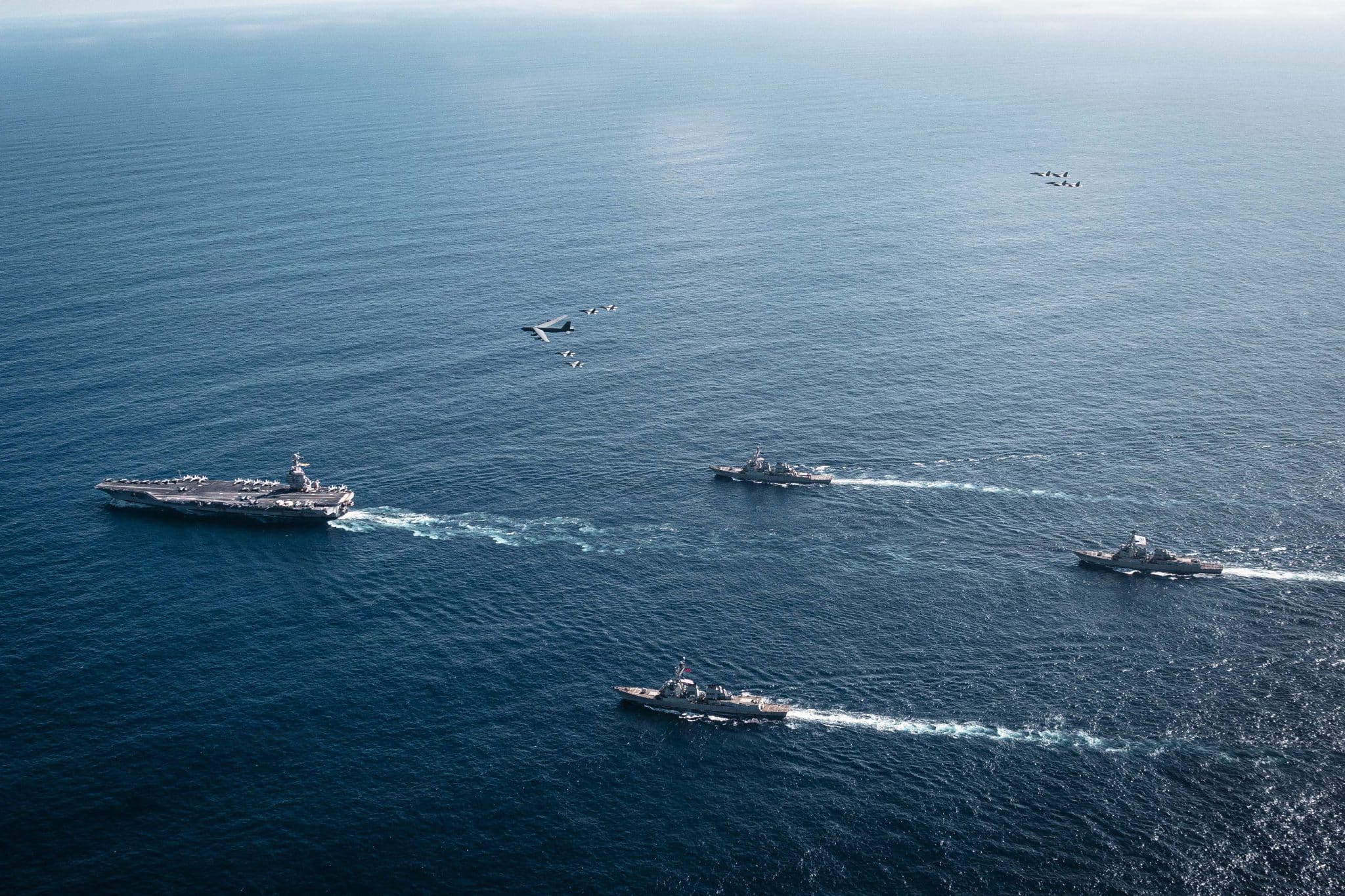
US Navy Unveils New Surface Ships Amidst Intensifying Global Naval Rivalry
The US Navy's introduction of two new surface ship classes signals a direct response to rising global naval threats and an urgent need for enhanced maritime capabilities. This escalation illustrates the potential for renewed naval conflicts as power dynamics shift.
The US Navy has announced the procurement of two new surface ship classes designed to bolster its operational capabilities amid intensifying international maritime tensions. According to Chief of Naval Operations (CNO) Admiral Mike Gilday, these vessels will serve vital roles in the navy's restructuring to address current global output demands. The announcement came during the Paris Naval Conference, underscoring the urgency of the US's maritime strategy in a rapidly evolving security landscape.
Historically, the US Navy has faced increasing competition from major naval powers, particularly China and Russia, which are rapidly modernizing and expanding their fleets. As of 2023, China's naval force reportedly surpassed the US Navy in total vessel numbers, prompting urgent action from US military leadership to enhance fleet capabilities. The recent decision reflects an acute awareness of these dynamics and a recognition that maintaining naval superiority requires proactive measures.
The strategic significance of these new ship classes cannot be overstated. The introduction of these vessels is not only about expanding the fleet but also serves as a clear message to adversaries that the US is committed to maintaining its maritime dominance. This move occurs in an environment where naval confrontations have escalated, particularly in contested areas such as the South China Sea and the Black Sea, where the balance of power is increasingly fragile.
The primary motivation behind this fleet expansion appears to be the need for deterrence against aggressive maritime policies. The US aims to reassure allies and partners while sending a stark warning to adversarial forces that attempts to expand influence or assert dominance in key waterways will face robust resistance. This reconfiguration reflects an understanding of the interconnectedness of global security and the implications that naval presence has on geopolitical stability.
Operational details regarding the new surface ship classes remain classified, but reports suggest a focus on advanced combat systems and increased multi-role capabilities. The new vessels are expected to incorporate cutting-edge technologies such as improved missile defense systems and enhanced situational awareness sensors. These advancements will likely involve substantial budget allocations, with estimates anticipating costs exceeding several billion dollars in total over the procurement lifecycle.
Potential consequences of this procurement are manifold. Firstly, it may prompt other nations to escalate their own naval modernization efforts, possibly leading to a new arms race at sea. Additionally, geopolitical tensions could flare as regional powers perceive the expansion of US maritime capabilities as a direct challenge to their interests. Escalation scenarios could involve increased naval confrontations in sensitive maritime zones, including aggressive maneuvers and confrontations at sea.
Historical precedents highlight similar dynamics. The naval buildup prior to World War I serves as a stark reminder of how fleet expansions can contribute to global tensions. Similarly, the prelude to World War II saw aggressive naval posturing that precipitated armed conflict. This historical context underscores the necessity for careful management of emerging naval rivalries to avoid unintended escalations.
In the coming months, intelligence watchers should closely monitor the developments emanating from the US Pacific Fleet and any operational deployments of these new surface vessels. Key indicators include joint exercises with allied navies, increased patrols in contested waters, and shifts in deployment patterns that may reveal strategic intentions and readiness for potential confrontations.