US Navy Submarines Fail to Sink Enemy Ship in Combat for Nearly Century
The stagnation of U.S. submarine effectiveness raises alarms as rival navies remain active in naval warfare. This highlight draws attention to a critical gap in contemporary maritime conflict capabilities.
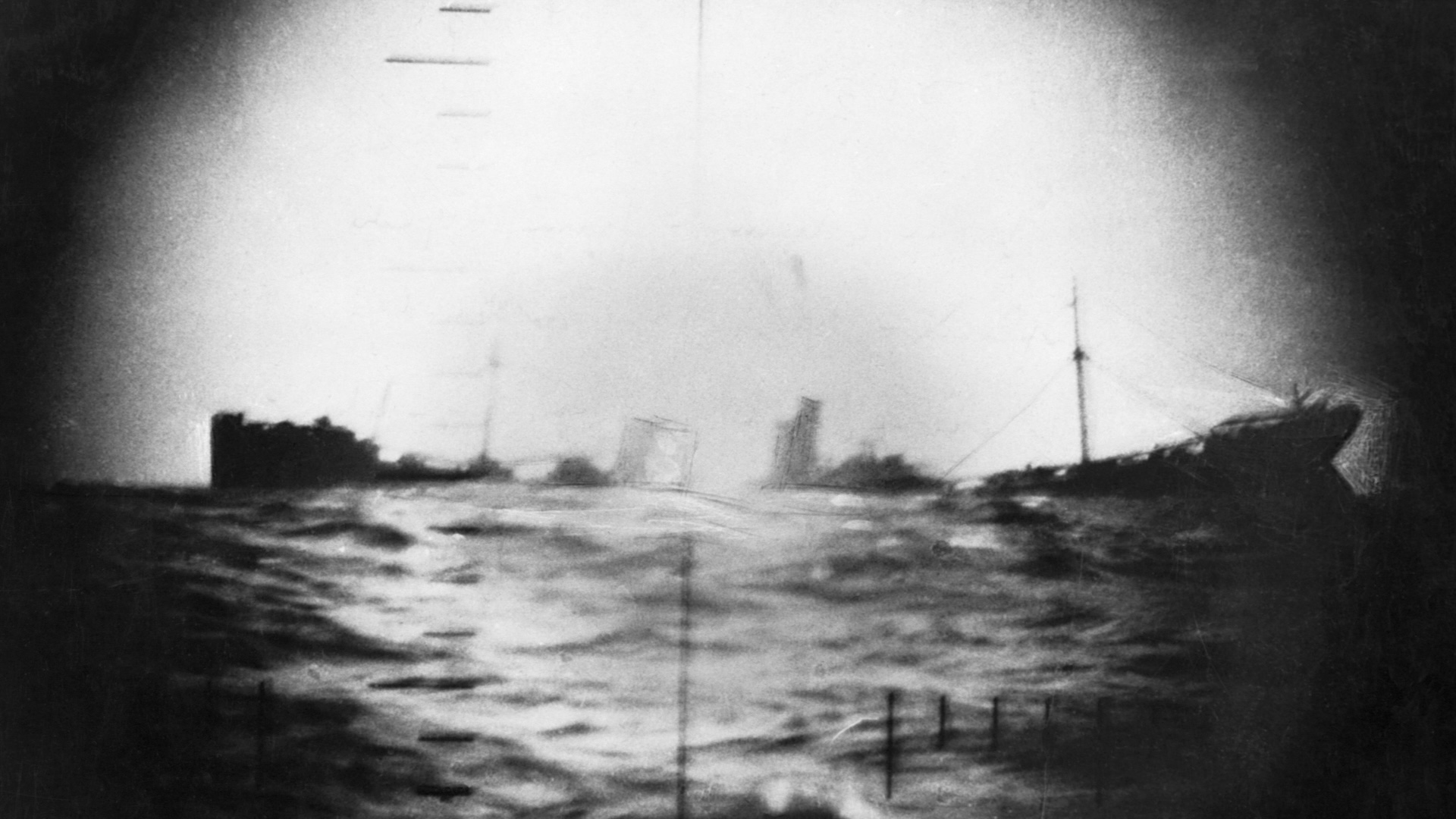
U.S. Navy submarines have not successfully sunk an enemy ship in combat for almost a century, reflecting a significant decline in their operational effectiveness during real-world engagements. The last confirmed sinking occurred during World War II, indicating a stark contrast to the more active roles played by other international naval forces in recent conflicts. This lack of effectiveness poses a critical question about the current preparedness and strategy of the U.S. submarine fleet.
The history of U.S. submarines in combat dates back to their pivotal role in WWII, where they achieved significant victories against Japanese shipping. However, since then, the landscape of naval warfare has evolved dramatically, with adversaries like Russia and China investing heavily in anti-submarine warfare and naval capabilities. This evolution has not only changed how modern navies engage but also revealed vulnerabilities in the U.S. approach to maritime threats.
This development is significant as it shines a light on the declining comparative edge the U.S. Navy once held over its rivals. With growing military investments in maritime power by countries such as China’s People’s Liberation Army Navy (PLAN) and Russia’s Northern Fleet, the inability of U.S. submarines to demonstrate combat success could further embolden these nations in regional disputes. The implications of this stagnation raise alarms regarding deterrence and the balance of maritime power.
Key actors in this situation include not only the U.S. Navy but also rival nations like China, which has launched multiple anti-ship missile systems capable of targeting submarines. The PLAN, for instance, has developed the DF-21D, a ballistic missile designed to destroy naval vessels, thereby challenging the operational parameters of U.S. submarines. Russian advancements in advanced submarine detection systems further complicate the landscape, making it increasingly perilous for U.S. underwater assets.
In terms of operational capabilities, the U.S. Navy maintains a fleet of over 50 attack submarines, including Virginia-class submarines equipped with Advanced SEAL Delivery System (ASDS) capabilities. However, the fact that these advanced vessels have not engaged in ship-sinking actions since the 1940s indicates an alarming shift in mission focus — from aggressive engagement to clandestine surveillance and reconnaissance operations. As adversaries grow bolder in their maritime maneuvers, the technological superiority of American submarines is increasingly called into question.
The likely consequences of this stasis pose multiple escalation vectors. Should naval conflicts arise, rival navies may exploit perceived vulnerabilities of the U.S. fleet, further escalating tensions in contentious waters such as the South China Sea or the North Atlantic. A failure to adapt tactics in response to evolving threats could lead to increased risk of maritime confrontation, reducing U.S. influence in essential strategic areas.
Drawing historical parallels, one can cite the British Royal Navy, which faced similar challenges during the interwar period. Delays in recognizing the value of submarine warfare ultimately led to setbacks in engagements during WWII, highlighting the consequences of military stagnation. Should the U.S. Navy fail to adapt to this reality, it may find itself at a strategic disadvantage as maritime conflict evolves in the coming years.
Moving forward, defense professionals should closely monitor shifts in naval engagements, especially in response to growing maritime threats from adversaries. Key indicators include any changes to U.S. naval doctrine that address submarine roles in contemporary conflict, as well as advancements in rival submarine and anti-submarine warfare capabilities. An inability to address these vulnerabilities may signal further deterioration in U.S. global maritime influence.