U.S. Navy Stages Mine Clearance as Hormuz Blockade Opens
The United States launches a high-stakes maritime operation in the Strait of Hormuz. Two DDG destroyers transit the chokepoint, initiating mine-clearing and blockade actions as additional forces converge. The move signals a calibrated but escalating phase in the U.S.-Iran confrontation with heavy regional disruption potential.
The lead two U.S. Navy guided-missile destroyers have transited the Strait of Hormuz, signaling the opening phase of a coordinated mine-clearance and blockade operation. The vessels, USS Frank E. Peterson (DDG 121) and USS Michael Murphy (DDG 112), are the first American warships to pass through the strait since the conflict with Iran intensified. Intelligence channels indicate further surface, air, and potentially mine-countermeasure support is en route to augment the operation. The transit confirms a tactical objective: reassert freedom of navigation while inhibiting Iranian maritime capabilities.
Background: Hormuz has long been a flashpoint for regional power competition and Western deterrence postures. In the current phase of the U.S.-Iran confrontation, naval authorities have framed the passage as a controlled breach of Iran's maritime denial attempts, paired with preparations for a broader blockade. The maneuver comes as allied partners weigh similar sanctions and interdiction measures, aiming to constrain Iran's ability to project military power and access critical chokepoints. Public commentary stresses deterrence, but the risk of miscalculation remains high in a densely mined and heavily surveilled littoral zone.
Strategic significance: The Hormuz corridor is a critical artery for global oil flows and regional trade. By pushing through the strait under a blockade framework, the U.S. aims to degrade Iran's anti-access/area denial posture in the Persian Gulf while signaling readiness to widen the sea-domain contest if necessary. The move also tests coalition interoperability, as allied navies observe and potentially contribute to mine-clearing operations, air cover, and comms resilience in a contested environment. Escalation dynamics hinge on Iran's response to constrained maritime movement and the legitimacy of allied interdiction authorities.
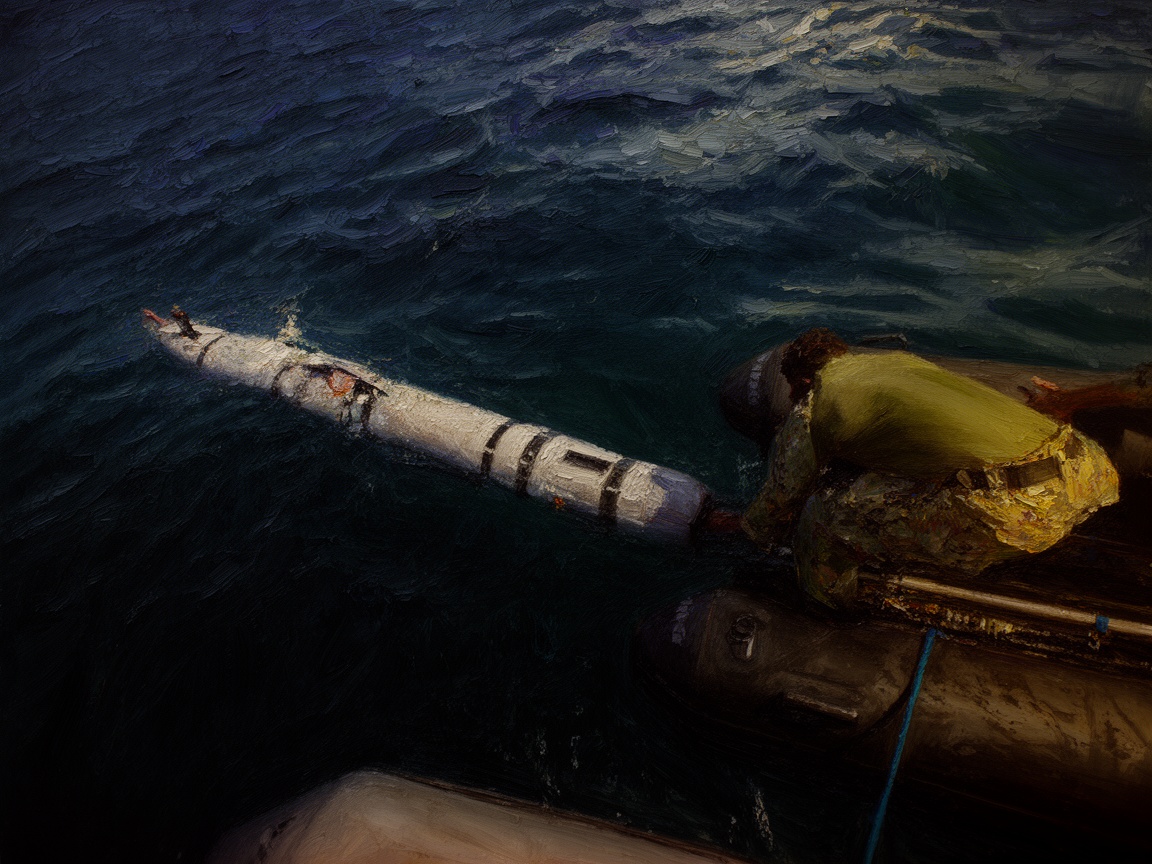
Technical and operational detail: The two DDGs involved are equipped with advanced Aegis combat systems, standard missiles, and anti-ship defense capabilities. The operation explicitly includes mine-countermeasure vessels or unmanned systems to clear lanes as warfare planners seek to minimize commercial disruption while preserving freedom of navigation. Budgetary allocations and force posture indicators point to a sustained maritime campaign rather than a one-off incursion, with additional surface ships, aircraft, and unmanned assets anticipated to arrive in the theater over the coming weeks.
Consequences and forward assessment: The Hormuz developments increase the risk of inadvertent clashes in a crowded sea space with dense traffic. If Iran dosage escalates countermeasures, the blockade could widen to include additional chokepoints or threaten shipping routes in the Gulf and Gulf of Oman. Washington will likely push for broader regional and international support to legitimize the blockade, while Tehran may seek to disrupt logistics, leverage asymmetric tactics, or intensify propaganda campaigns. The next phase will test maritime rules of engagement, coalition cohesion, and the resilience of global energy markets.