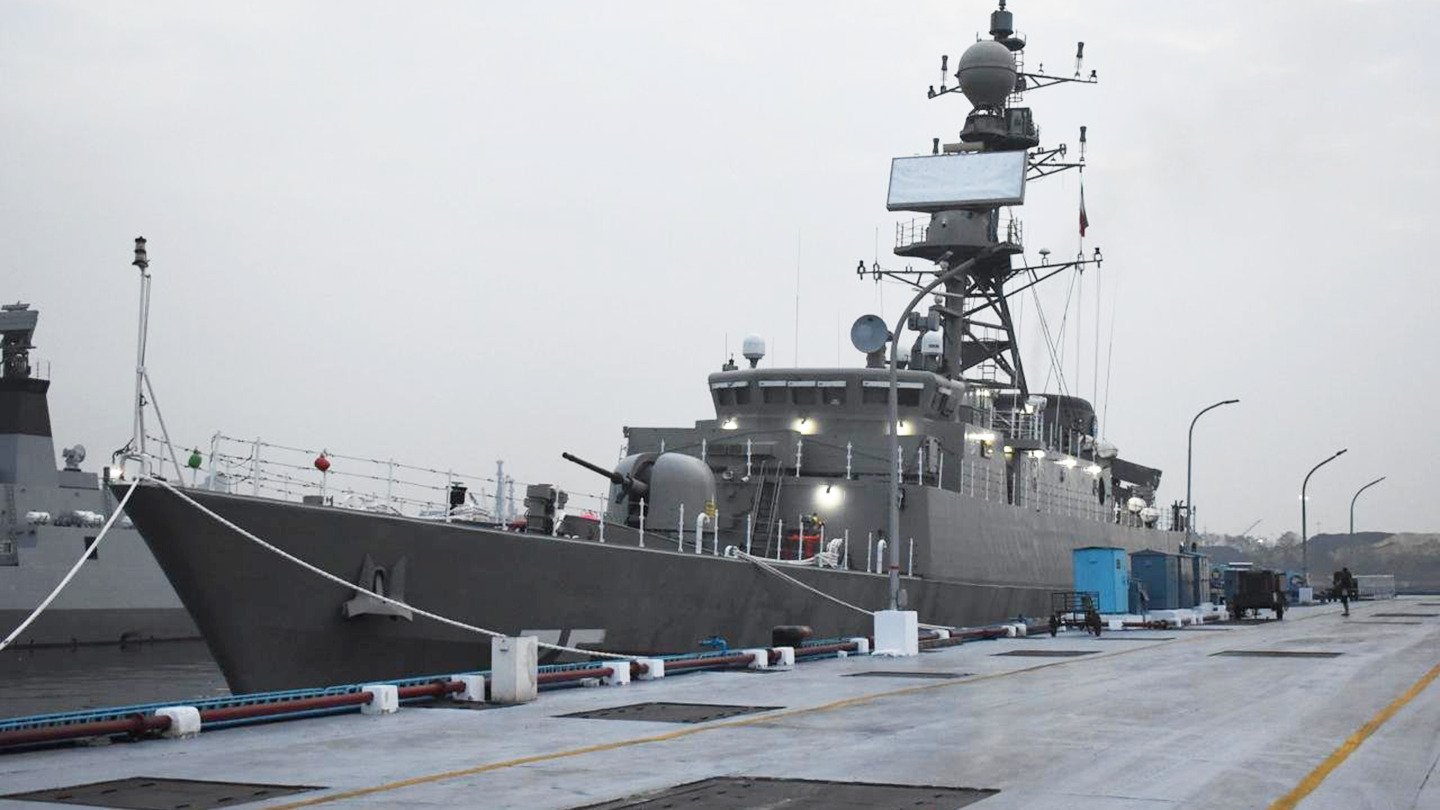
U.S. Navy Sinks Iranian Frigate, First Submarine Attack Since WWII
The U.S. Navy has escalated military confrontations by sinking an Iranian frigate in the Indian Ocean, marking a significant deviation in naval engagement protocols. This unprecedented action raises alarms over regional security and the potential for wider conflict in the strategic waters of the Indian Ocean.
In an extraordinary escalation of tensions, a U.S. Navy submarine torpedoed and sank an Iranian frigate in the Indian Ocean, marking the first instance of a U.S. submarine sinking an enemy vessel since World War II. The attack demonstrates a stark shift in U.S. military engagement in a region where naval encounters have been escalating for months. Though the U.S. government has not confirmed specific operational details, the implications of this incident are monumental.
The Iranian Navy, historically active in the Indian Ocean and Persian Gulf, has been increasingly assertive in claiming its maritime rights. This incident follows a series of confrontations between U.S. naval vessels and Iranian military assets, which have included the harassment of commercial shipping and military exercises exhibiting anti-ship capabilities. With tensions already heightened due to ongoing sanctions and proxy conflicts, this sinking represents a significant point of escalation in the ongoing rivalry.
This event carries profound strategic implications, particularly in terms of regional power dynamics. The U.S. is signaling a zero-tolerance policy toward Iranian provocations in contested maritime regions, a move that could provoke further Iranian military responses. Additionally, the sinking of an Iranian warship could instigate retaliatory measures not only against U.S. assets but also against allied nations operating in or around the Indian Ocean.
Key actors in this scenario include the Iranian Revolutionary Guard Corps (IRGC), which has been vocal about protecting Iranian interests and would perceive this sinking as a direct affront to national sovereignty. The IRGC's motivations revolve around showcasing military prowess and deterring U.S. influence, particularly after months of confrontations in Gulf waters. On the U.S. side, the Navy's actions indicate a broader strategy to counter Iranian expansionism and assert dominance in critical maritime chokepoints.
Operationally, the U.S. submarine's weaponry engaged an Iranian frigate, likely armed with anti-aircraft and anti-ship systems, although specifics on the type of torpedo used remain unspecified. The U.S. military budget for naval capabilities has seen increases, supporting advanced undersea warfare technologies. The exact coordinates and combat strategy employed in this encounter further emphasize the U.S. commitment to maintaining freedom of navigation and deterrence in the region.
The consequences of this incident could lead to a rapid escalation of naval engagements in the Indian Ocean, with a real risk of miscalculation from either side. Iran may increase its naval provocations, while the U.S. could bolster its fleet presence, heightening tensions surrounding the strategically vital Strait of Hormuz where 20% of the world's oil passes. Moreover, the incident could trigger international responses, involving allied forces stationed in the region.
Historically, the sinking of warships has been a watershed moment, often leading to broader conflicts, as seen during the previous Gulf Wars where naval confrontations escalated into multifaceted military campaigns. International alliances may shift, with countries reassessing their naval postures in response to perceived threats from both the U.S. and Iran.
Moving forward, watch for possible Iranian retaliatory actions, which could manifest through targeted strikes against U.S. allies or increased military exercises in response to perceived threats. Intelligence indicators should focus on movements of Iranian naval assets and U.S. fleet deployments in the Indian Ocean, as both nations reassess their military strategies in light of this unprecedented clash.