U.S. Navy Shifts Minesweepers from Middle East to Pacific
The U.S. Navy has relocated two minesweepers from the volatile Middle East to the Pacific, reflecting a strategic pivot towards countering rising tensions with China. This move exposes regional waters to new risks of mine threats and changes naval force dynamics in the Indo-Pacific.
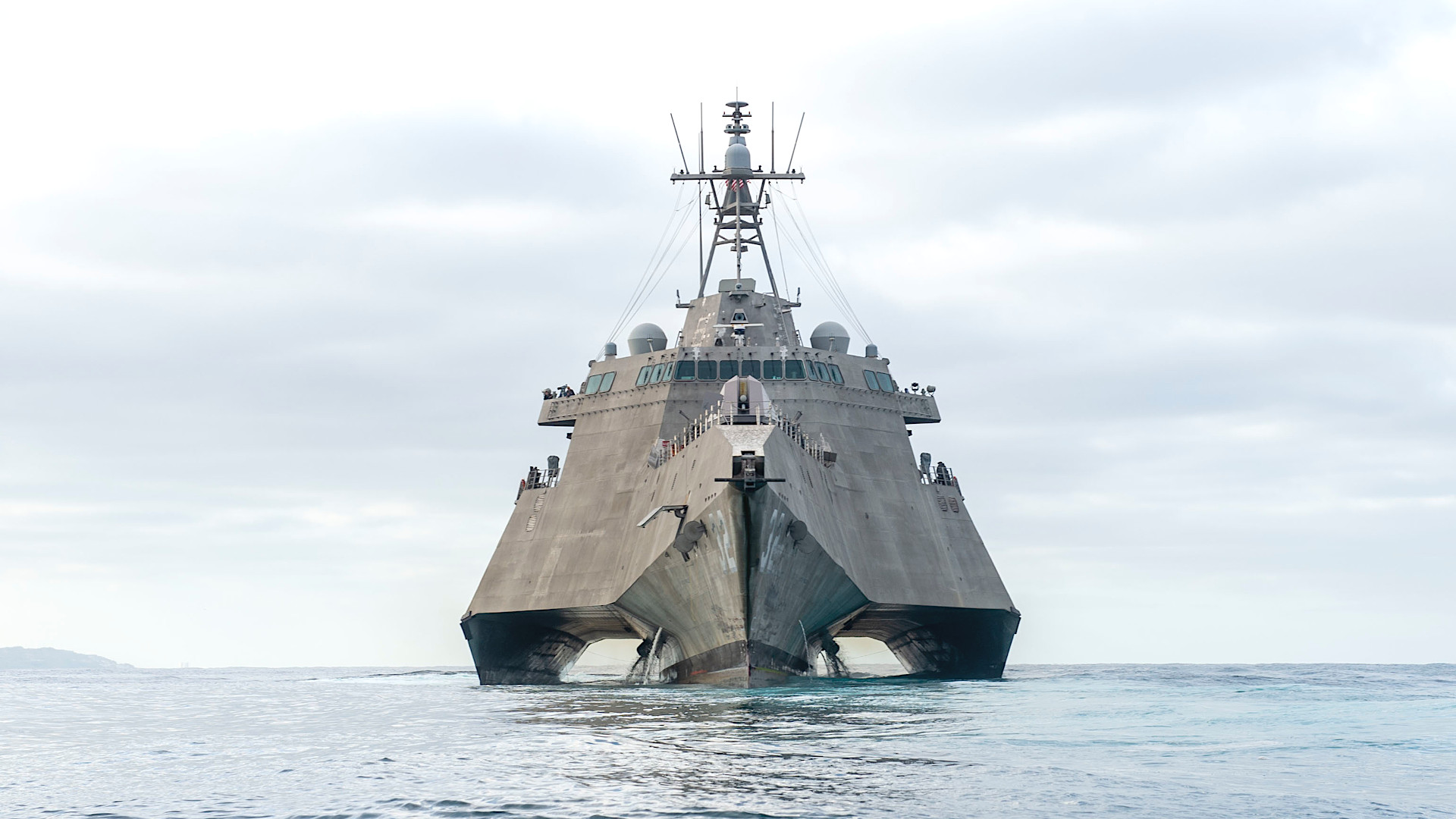
In a significant realignment, two Littoral Combat Ships (LCS) tasked with minesweeping in the Middle East have been reallocated to the Pacific, making port appearances in Malaysia. This development signals a pronounced strategic shift from addressing threats in the Gulf region to concentrating naval capabilities in the Indo-Pacific theater, where China continues to assert its influence and expand its military presence.
Historically, the Gulf region has been a hotspot for maritime conflicts and threats, making the deployment of U.S. minesweepers crucial for securing critical sea lanes and deterring hostile activities. However, with ongoing geopolitical shifts prompting the United States to reassess its global military posture, a calculated decision was made to recalibrate forces towards the Pacific.
This move underscores the growing concern within U.S. military circles of Beijing's aggressive maritime strategies, including its expansive claims in the South China Sea and frequent military exercises. By moving assets like the Littoral Combat Ships, the U.S. aims to bolster its deterrent capabilities against any potential escalation in the region.
The two ships, once serving a pivotal role in safeguarding the Strait of Hormuz, are now positioned to contribute significantly to the balance of power in the Indo-Pacific. Their relocation reflects the U.S. Navy's ongoing efforts to enhance readiness and operational reach in areas threatened by strategic rivalries.
Each Littoral Combat Ship is equipped to handle various naval warfare missions, including mine countermeasures, with advanced modular systems and high-speed capabilities. Such characteristics make them invaluable assets in dynamic maritime environments, particularly where fast adaptability is necessary.
With these assets now stationed in the Pacific, the U.S. and its allies must recalibrate their defenses and security strategies in the Middle East. This redeployment raises questions about vulnerability to mine warfare in the Gulf and the readiness of remaining forces to address emerging threats.
In historical context, this strategic pivot bears resemblance to post-Cold War realignments when the U.S. shifted focus from Europe to Asia, anticipating future security challenges. Similar dynamics are now driving this Pacific-oriented focus in response to China and affirm the United States' commitment to maintaining a balance of power.
Looking ahead, observers should monitor further deployments in the Indo-Pacific and any diplomatic maneuvers as nations react to the changing security landscape. Intelligence indicators may include increased regional military collaborations, arms sales, or further infrastructural developments geared towards fortifying alliances.