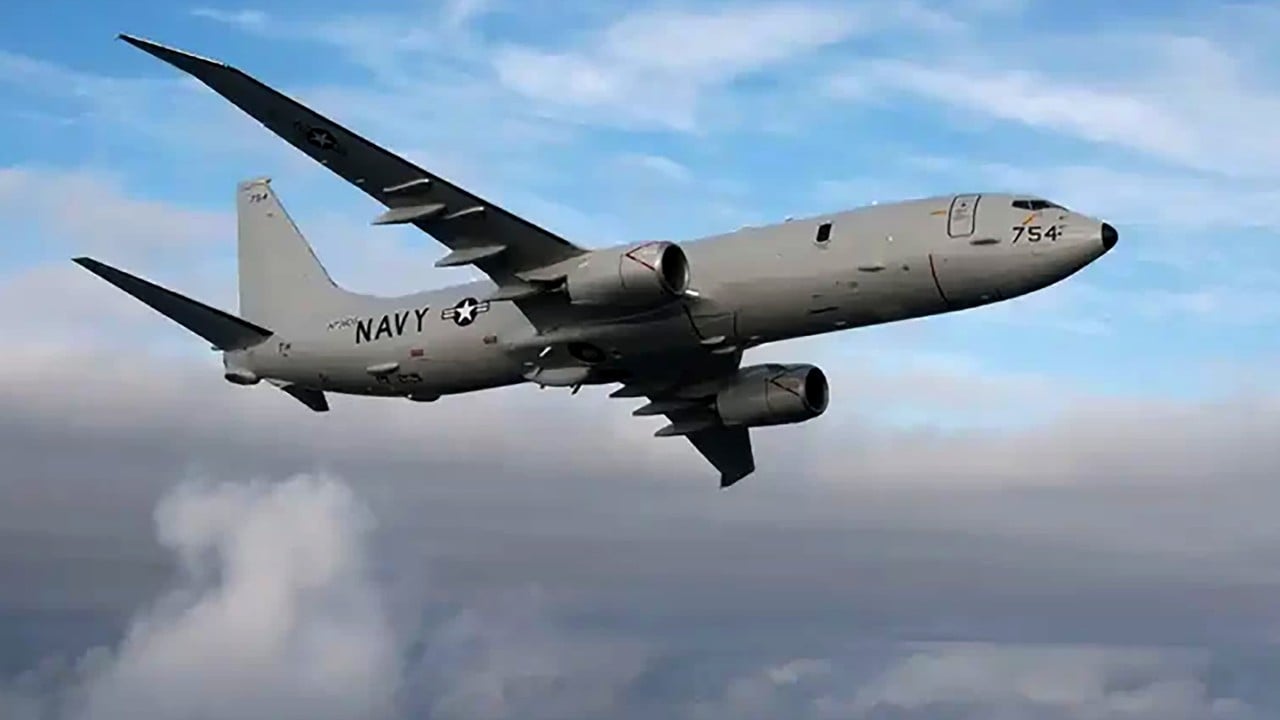
US Navy Patrol Fuels PLA Maneuvers Ahead of Xi-Trump Summit
The US Navy's P-8A Poseidon incites heightened tensions as PLA conducts maneuvers near Taiwan, showcasing a flashpoint in Sino-American relations.
The United States has escalated tensions in the Taiwan Strait by deploying a P-8A Poseidon maritime patrol aircraft, prompting immediate military maneuvers from the People's Liberation Army (PLA). This incident follows a significant pause in PLA air activities around Taiwan and comes just weeks before the high-stakes summit between Chinese President Xi Jinping and US former President Donald Trump. As the P-8A transited international airspace on Wednesday, the strategic implications of this show of force have drawn serious attention from both Beijing and Washington.
Tensions in the Taiwan Strait have been brewing for years, exacerbated by China's aggressive stance towards Taiwan and a series of military drills that assert its claims over the island. The current climate of confrontation escalated sharply following the 2022 Russian invasion of Ukraine, which has emboldened regional adversaries. The US's commitment to countering Chinese expansionism has led to repeated military engagements, resulting in a complex security dilemma for all parties involved.
This development signifies a critical moment in US-China relations, highlighting the fragile balance of power in the Indo-Pacific. With military capability on both sides ramping up, the risk of miscalculation is substantial. The naval presence of the US, viewed as a direct provocation by China, can potentially lead to skirmishes, further complicating an already tense regional security environment.
Key actors in this crisis are the US, which seeks to maintain its influence in the Indo-Pacific, and China, determined to assert its sovereignty over Taiwan. President Xi's recent military rhetoric amplifies the pressure on the PLA to respond decisively to any perceived threats to Chinese territorial integrity. As both nations prepare for the upcoming summit, the military actions of each serve not only as show-of-force measures but also as strategic positioning ahead of potential diplomatic negotiations.
The P-8A Poseidon has advanced capabilities, including anti-submarine warfare, maritime reconnaissance, and signals intelligence operations. The aircraft can carry a variety of torpedoes and anti-ship missiles, which indicates the US's commitment to enhance its maritime surveillance in contentious areas. Additionally, the US Seventh Fleet's activities in the region signal a continued investment in maintaining a military advantage over the PLA.
The consequences of this situation could be severe. Should PLA operations escalate in response to the US patrols, there is a tangible risk of physical confrontations, especially considering the ongoing frequency of Chinese military flights near Taiwan. Each military encounter increases the likelihood of accidents or misunderstandings that could spiral into larger conflicts, drawing in multiple regional actors.
Historically, incidents in the Taiwan Strait have precipitated periods of intense military posturing and diplomatic friction. For instance, similar incidents in the 1995-1996 Taiwan Strait Crisis saw high levels of PLA military exercises and US naval deployments, leading to a tense standoff. This could serve as a precedent, making current events particularly critical for defense planners and regional stakeholders.
In the short term, key indicators to monitor include PLA flight patterns, potential naval exercises, and any official communications from Beijing regarding future military actions. Additionally, the response from US policymakers post-summit will be scrutinized, as any perceived weakness or aggressiveness could shape the trajectory of Sino-American relations in the foreseeable future.